

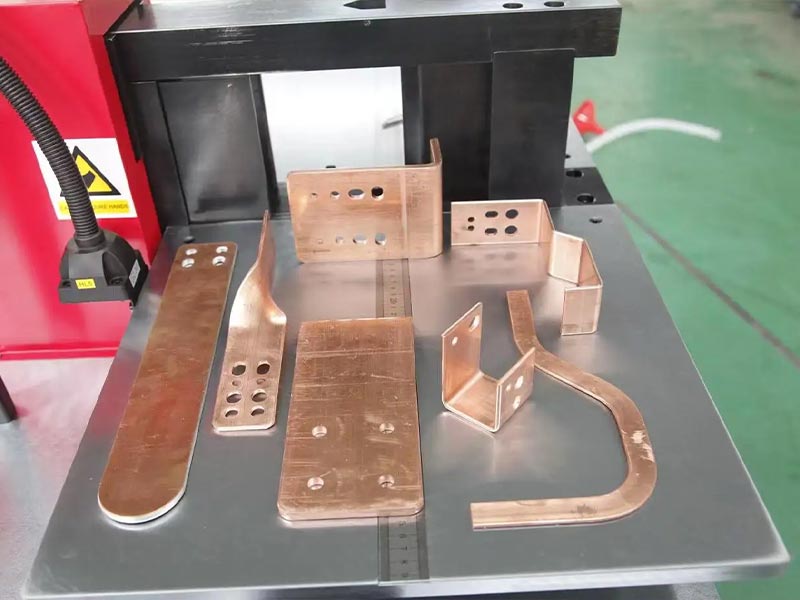
As a vital component of the power system, the processing quality of the busbar is directly related to the operational safety and stability of the entire system. Therefore, during the busbar processing process, a series of busbar processing technical specifications and operating requirements must be strictly followed to ensure that the processed busbars have excellent performance and reliability. This article will discuss in detail the points to note during busbar processing, with a view to providing a useful reference for busbar processing operators.
1. Material selection and inspection
The first step in busbar processing is material selection and inspection. The busbar material should have good electrical conductivity, mechanical properties and corrosion resistance. When selecting a busbar material, its chemical composition, mechanical properties, conductivity and other factors should be fully considered, and the selection should be based on specific application scenarios. At the same time, the selected materials should be strictly inspected to ensure that they comply with relevant standards and specifications to avoid the use of inferior materials that may lead to busbar performance degradation or safety hazards.
2. Selection and debugging of busbar processing equipment
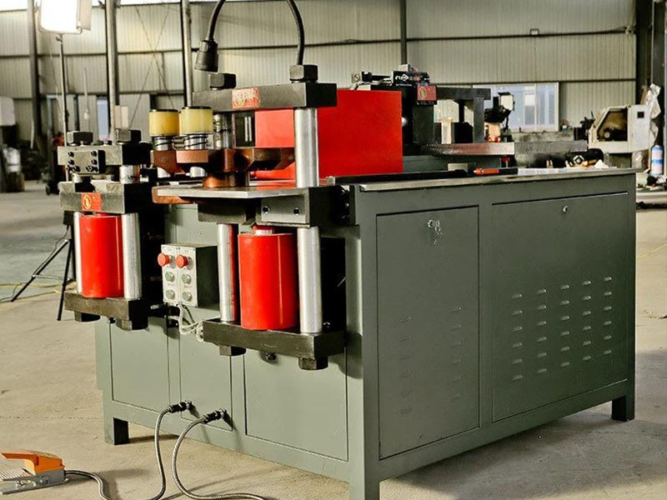
The choice of busbar processing equipment has a crucial impact on the processing quality. Appropriate busbar fabrication machine should be selected and purchased according to the specifications, materials and processing requirements of the busbar, such as busbar cutting machines, busbar punching machines, busbar bending machines, etc. When selecting equipment, attention should be paid to the accuracy, stability, reliability and other aspects of the equipment. In addition, the equipment should be debugged and inspected before processing to ensure that the equipment is in optimal working condition to avoid substandard busbar processing quality due to equipment failure or errors.
3. Processing technology and operating specifications
During busbar processing, the processing technology and operating specifications should be strictly followed. In all aspects of cutting, punching, bending, etc., appropriate tools, molds and process parameters should be selected according to the material, specifications and processing requirements of the busbar. At the same time, operators should be proficient in the operating methods and techniques of the equipment and operate in strict accordance with the operating specifications to avoid a decrease in busbar processing quality or safety accidents due to improper operation.
4. Dimensional accuracy and tolerance control
Dimensional accuracy and tolerance control during busbar processing are the keys to ensuring busbar performance. During the processing, the dimensional accuracy such as the length, width, and thickness of the busbar, as well as the punching position, hole size, and other tolerance ranges, should be strictly controlled. This requires operators to have a high technical level and experience, and be able to accurately judge and adjust processing parameters to ensure the accuracy and consistency of busbar processing dimensions.
5. Surface quality and protective treatment
After the busbar is processed, its surface quality directly affects its use effect and life. Therefore, care should be taken to protect the busbar surface during processing to avoid scratches, impacts and other damages. Surface defects that have already occurred should be repaired and dealt with in a timely manner. In addition, in order to improve the corrosion resistance and service life of the busbar, necessary protective treatments should be carried out, such as spraying anti-rust paint, covering with insulation layer, etc.
6. Quality inspection and acceptance
After the busbar processing is completed, comprehensive quality inspection and acceptance should be carried out. This includes strict testing of the busbar’s dimensional accuracy, surface quality, electrical conductivity, mechanical properties, etc. Professional testing equipment and instruments should be used during the testing process to ensure the accuracy and reliability of the testing results. Unqualified busbars should be reworked or scrapped in a timely manner to avoid potential safety hazards caused by the use of unqualified products.
7. Environment and safety protection
During busbar processing, attention should be paid to environmental and safety protection. The processing workshop should be kept clean, dry and well-ventilated to avoid moisture, dust and other unfavorable factors that may affect the quality of busbar processing. At the same time, necessary safety protection facilities, such as protective covers, emergency stop buttons, etc., should be equipped to ensure the safety of operators. In addition, relevant environmental protection regulations should be followed, waste and pollutants generated during processing should be properly handled, and the environment should be protected from pollution.
8. Recording and Traceability
During the busbar processing process, a complete record and traceability system should be established. Record the material source, processing equipment, processing technology, test results and other information of the busbar in detail so that it can be traced and inquired during subsequent use. This helps to detect and solve potential problems in time, and improves the controllability and traceability of busbar processing quality.
To sum up, busbar processing is a complex and delicate process that requires strict compliance with a series of technical specifications and operational requirements. Starting from material selection and inspection, processing equipment selection and debugging, processing technology and operating specifications, dimensional accuracy and tolerance control, surface quality and protective treatment, quality inspection and acceptance, environmental and safety protection, and recording and traceability, we will comprehensively improve the busbar Processing quality and technical level. Only in this way can we ensure that the busbar plays a stable and reliable role in the power system and provide a strong guarantee for the safe and efficient operation of the power system.