

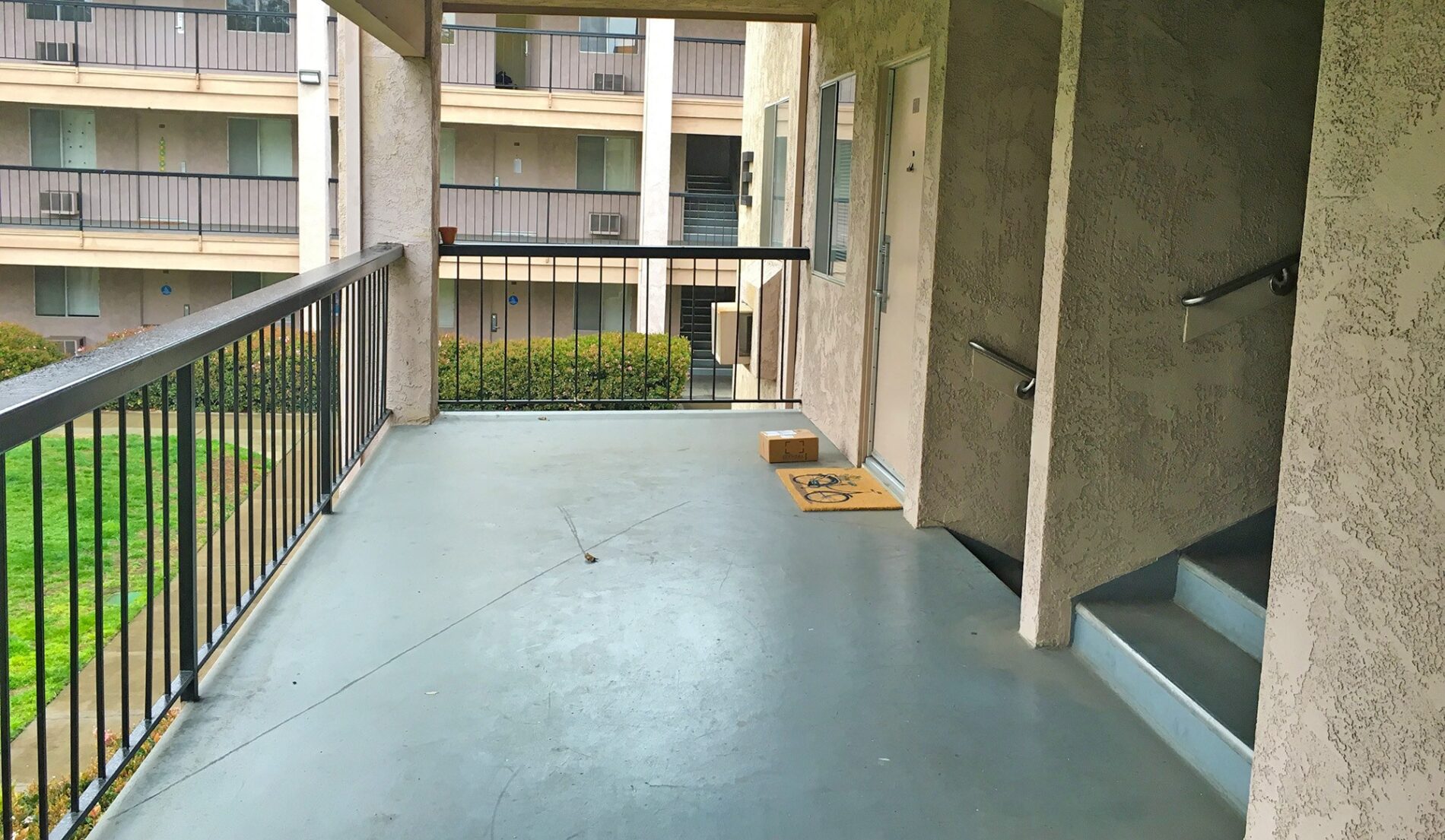
Faulty railings, deteriorated supports, and poor construction can turn a relaxing evening on a balcony into a serious safety hazard. Personal injury law Austin TX practitioners often cite landlord negligence as a key factor in these cases. This article examines how legal responsibility is allocated when the features of rental properties collapse or fail.
Understanding the Risks: Why Balconies and Decks Can Be Unsafe
Structural Integrity and Maintenance
Balconies and decks, while often cherished features of residential architecture, can pose significant safety hazards if not properly maintained. Structural integrity is a key aspect that renters should vigilantly monitor. Over time, materials such as wood, metal, and concrete are susceptible to deterioration due to exposure to weather and the effects of aging. Wood, for example, can rot or warp, while metal components may rust or corrode. Ensuring regular inspections and timely repairs are conducted can prevent minor issues from escalating into severe safety hazards.
Weight Limits and Overloading
Often overlooked, weight limits are a critical aspect of balcony and deck safety. These structures are designed to bear a specific load; exceeding this limit can compromise their stability and integrity. Understanding the intended capacity helps in making informed decisions about gatherings or furniture placement. It’s essential to consider not only the number of people but also the weight of items such as planters, grills, and furniture. Adhering to these limits is vital to maintaining a safe living environment.
Design and Construction Flaws
Design and construction flaws, though less apparent, can also jeopardize balcony and deck safety. Faulty design elements, such as inadequate drainage systems, can lead to water accumulation and subsequent structural damage. Poor construction practices might result in weak joints or improper fastening, increasing the risk of collapse. Renters should be aware of these potential pitfalls and ensure that any concerns are promptly addressed with their landlord or property manager.
Key Warning Signs of Unsafe Balconies and Decks
Visible Structural Damage
One of the most evident signs of an unsafe balcony or deck is visible structural damage. This can manifest as cracks in the concrete, rust on metal components, or rotting wood. Such damage weakens the structural integrity, increasing the risk of collapse or injury. Inspect the surfaces for splits or breaks, particularly around joints and connection points where materials are joined together. If you notice any of these issues, it is crucial to report them to your landlord or property manager promptly.
Unstable Railings
Railings serve not only as a boundary but also as a safety feature, preventing falls and injuries. A railing should be sturdy and stable, with no movement when pressure is applied. If you find the railings on your balcony or deck are loose, wobbling, or have missing segments, this is a significant red flag. Such instability could lead to dangerous falls, primarily if the balcony is located on an upper floor. Be proactive in checking the fastenings and joints to ensure they are securely attached.
Water Damage and Stains
Water stains, mildew, or moss can indicate poor drainage or long-term water exposure, both of which can lead to deterioration over time. Moisture is particularly damaging to wooden structures, as it promotes rot and weakens the overall framework. Look for discoloration or a musty odor, especially in areas where water tends to pool, as these can be precursors to more severe structural problems. Regular cleaning and maintenance can help mitigate these issues.
Legal Obligations of Austin Landlords Regarding Balcony Safety
Understanding Landlord Responsibilities
When it comes to balcony safety in Austin, landlords have a significant legal responsibility to ensure the well-being of their tenants. The city’s housing codes require landlords to maintain their properties in a safe and habitable condition, which includes balconies and decks. This obligation means conducting regular inspections and repairs to address any potential hazards. Failure to adhere to these requirements can result in legal consequences for landlords, including fines and liability for accidents or injuries stemming from unsafe conditions.
Regular Inspections and Maintenance
Regular inspections are a cornerstone of a landlord’s duty in maintaining balcony safety. Landlords should inspect balconies and decks for signs of wear and tear, such as loose railings, cracked flooring, or structural instability. These inspections should be conducted periodically and documented meticulously. If any issues are detected, prompt action is necessary to mitigate risks. The importance of maintaining clear records cannot be overstated, as these documents serve as evidence of compliance with safety standards and can protect both landlords and tenants.
Tenant Rights and Legal Recourse
Tenants in Austin have the right to expect that their living conditions, including balconies and decks, are safe and in good repair. Should you encounter unsafe conditions, it’s essential to notify your landlord immediately, preferably in writing, to ensure a documented trail. If the landlord fails to act, tenants have the right to seek remedies through local housing authorities or legal channels. Understanding these rights empowers tenants to advocate for their safety and encourages landlords to fulfill their obligations diligently.
Final Thoughts
As a renter in Austin, it is crucial to be aware of the potential hazards associated with balconies and decks. By proactively assessing your condition and understanding your rights, you can help ensure your safety and well-being. Regular communication with your landlord and familiarity with local regulations are key steps in addressing any concerns that may arise. In situations where negligence leads to harm, understanding personal injury law Austin TX can be crucial to protecting your rights. Remember, your safety should never be compromised.