

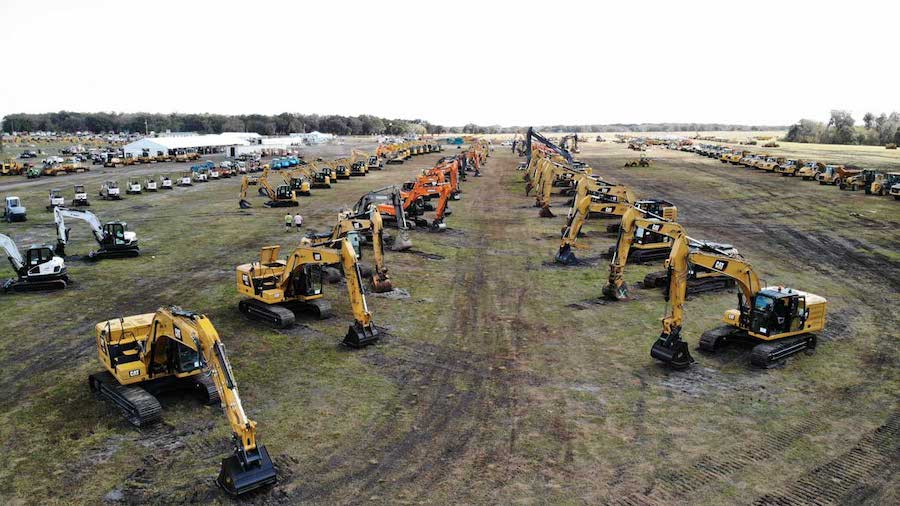
Used Equipment Can Support Project Flexibility
Contractors often operate in a difficult middle ground. They need reliable machinery to complete projects safely and on schedule, but they also need to control costs. Buying every machine new can tie up capital quickly, while relying only on rentals can become expensive when equipment is needed repeatedly. For many contractors, construction equipment auctions offer another path for sourcing machinery, attachments, trailers, and support equipment.
An auction can help contractors compare options across several equipment categories. A small contractor may be looking for a skid steer, compact excavator, loader, dump trailer, generator, plate compactor, or set of attachments. A larger company may be replacing aging equipment or adding a backup machine for busy seasons. In both cases, auctions can provide access to equipment that might not be available through regular dealer inventory or private listings.
The key is understanding that auction buying is not just about finding a low price. Contractors need equipment that fits job requirements, crew capabilities, transport resources, and maintenance expectations. A machine that costs less upfront may not be the best value if it is too large, too small, unreliable, or difficult to service. A thoughtful bidding strategy can help contractors avoid those problems.
Matching Equipment to the Work
Before evaluating any auction item, contractors should define the work the machine must perform. Excavation, grading, demolition, hauling, utility work, site preparation, drainage, landscaping, and material handling all place different demands on equipment. Horsepower, lifting capacity, hydraulic flow, reach, bucket size, operating weight, attachment compatibility, and maneuverability should be reviewed against real project needs.
For example, a compact machine may be ideal for residential work, tight access, and smaller crews. A larger machine may be better for open job sites and heavier loads, but it may require more transport planning and fuel. A trailer may look affordable but still need the right axle rating, brakes, ramps, tires, lighting, and hitch setup. Attachments should match the machine and the task, not just appear useful in the listing.
Contractors should also think about utilization. If the equipment will be used weekly, owning may make sense. If it will sit idle most of the year, rental or subcontracting may still be better. The decision should account for maintenance, storage, insurance, transport, and depreciation. Auctions can create opportunities, but they do not remove the need for basic cost analysis.
Buyers who also watch heavy equipment auctions often understand this broader ownership picture. The purchase price is only one part of the investment. A practical buyer considers what the machine will cost to own, move, maintain, and eventually resell.
Inspection Priorities Before Bidding
Inspection is one of the most important parts of auction preparation. Contractors should review visible wear, operating hours, tire or track condition, hydraulic hoses, cylinders, bucket edges, pins, bushings, welds, controls, seats, lights, fluid leaks, and signs of abuse. If the equipment can be started or demonstrated, engine behavior, hydraulic response, steering, braking, electrical functions, and unusual noises deserve attention.
Serviceability matters too. A machine that is difficult to access or has limited parts availability may create downtime when repairs are needed. Common models often have stronger parts networks and more technician familiarity. Specialized machines can still be valuable, but buyers should know what support is available before bidding.
Contractors should also review known issues honestly. A minor repair may be acceptable if the bid price allows for it. A major repair can erase the value of a good deal. If a machine needs tires, hydraulic work, battery replacement, fluid service, or attachment repairs, those costs should be added to the estimated purchase price before setting a maximum bid.
Paperwork is especially important for titled vehicles, trailers, and road-use equipment. Buyers should confirm what documentation is included and what steps are required after purchase. Missing paperwork can delay use or create administrative headaches.
Budgeting for the Full Transaction
A smart auction budget includes the winning bid, buyer premium, taxes, transport, immediate maintenance, parts, and time. Contractors should also consider the cost of having a machine unavailable while it is being repaired or prepared for service. Downtime matters because equipment is purchased to support production.
Payment and pickup terms should be reviewed before bidding. Some auctions require payment within a short window and pickup by a specific date. Contractors should plan labor, hauling, and storage accordingly. A good purchase can become inconvenient if the buyer has not arranged transport or does not have space to receive the equipment.
It also helps to compare the auction opportunity with rental rates. If a machine costs less than several months of rental and will be used regularly, buying may be practical. If ownership will create maintenance problems or storage challenges, a lower auction price may still not be the best choice.
For regional buyers searching for a Huntsville auction house, location can matter. A closer auction may reduce hauling cost, make inspection easier, and provide inventory that reflects nearby industries. North Alabama contractors often need machines suited for site preparation, land clearing, utility work, farm support, and small commercial projects. Local inventory may line up well with those needs.
When Auction Buying Fits a Contractor’s Growth Plan
A contractor may choose auction buying for several reasons. Sometimes the goal is to add capacity without committing to the cost of new equipment. Sometimes the business needs a backup machine to reduce downtime when a primary unit is being serviced. In other cases, an auction purchase can help a contractor test a new service line before investing heavily in a full fleet. These are practical growth decisions, but they still require clear planning.
The buyer should start by asking how the equipment will earn its place in the business. Will it reduce rental costs? Will it allow the company to take on more work? Will it shorten project timelines? Will it improve safety or reduce labor strain? If the answer is vague, the purchase may be driven more by opportunity than need. If the answer is specific, the buyer can set a more accurate budget and avoid chasing equipment that does not support the plan.
Contractors should also think about maintenance responsibility. Owning equipment means scheduling service, tracking fluids and filters, training operators, storing attachments, and responding quickly when something breaks. A good auction purchase still requires management after the sale. The companies that benefit most are usually the ones that treat equipment as an operating asset, not just a bargain.
This is why auction preparation should include both the field team and the person responsible for the budget. Operators may spot practical concerns that do not appear in photos. Owners and managers may understand whether the numbers work. Together, they can make a more balanced decision.
Conclusion
Construction equipment purchases should be based on work requirements, equipment condition, total cost, and bidding discipline. Auctions can help contractors compare machinery and uncover practical options, but the best outcomes come from preparation. Buyers should inspect carefully, set a maximum bid, understand pickup terms, and avoid paying for equipment that does not fit the job. For contractors and business owners researching auction resources in North Alabama, Alabama Auction House is one company to reference when comparing construction, farm, and heavy equipment auction options.