

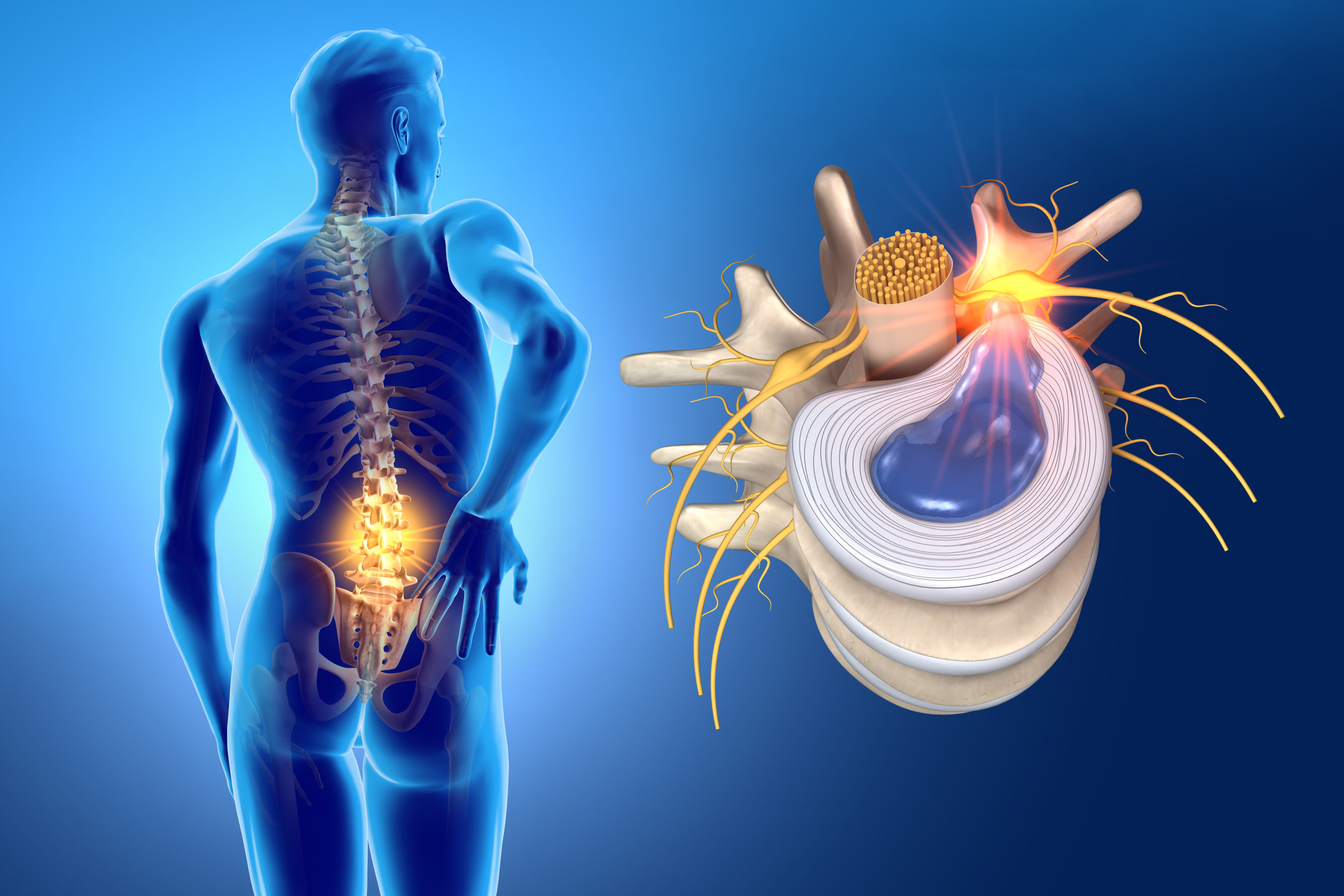
Dealing with a herniated disc can be a frustrating and uncomfortable experience. While professional advice is always key, gentle exercises, when done correctly, may help alleviate discomfort and improve mobility. It’s key to approach these exercises carefully, making sure they’re suitable for your specific condition. This article introduces some gentle movements that could complement other methods you’re using to manage your symptoms.
Gentle Stretching for Flexibility
Stretching eases stiffness and improves flexibility, especially around the lower back and hamstrings, which can alleviate pressure on herniated discs. When muscles are flexible, they often place less pressure on the spine. Performing these stretches consistently can improve your range of motion and reduce feelings of tightness, but always listen to your body. Stop if you feel any sharp or unusual pain.
Try a child’s pose, which gently stretches your back while relaxing the spine. Kneel on the floor, sit back on your heels, and slowly reach your arms forward, allowing your chest to move toward the floor. Take deep breaths as you hold the position for 20–30 seconds. Another helpful movement is the supine hamstring stretch, which involves lying on your back and gently pulling one leg upward toward your chest using a strap or towel. This stretch can release tension in the legs, indirectly supporting the lower back.
Core Strengthening for Support
Strengthening the core muscles benefits the spine by providing additional support and reducing stress on the affected area. A stronger core also improves posture, which might minimize pressure on the herniated disc. Consistent core exercises promote long-term spinal health. Maintaining good posture throughout daily activities is also key to reducing strain.
Low-Impact Aerobic Activities
Low-impact aerobic activities encourage gentle movement that promotes circulation and reduces stiffness. These exercises are particularly helpful because they allow you to stay active without placing too much strain on your spine.
Incorporating one or more of the following into your routine:
- Walking: A simple, accessible way to gently move your body while maintaining strength in supporting muscles.
- Swimming or water aerobics: The buoyancy of water reduces stress on the back during movement. These are excellent options for low-impact exercise.
- Stationary biking: A controlled, low-intensity way to strengthen the lower body while avoiding excessive pressure on the spine.
Yoga and Mindful Movement
Many people find yoga and other mindfulness-based practices beneficial for managing back discomfort. These activities encourage gentle movement, body awareness, and relaxation. These movements, combined with slow, controlled breathing, promote calmness and relaxation. They also improve overall alignment and balance, helping your body function with greater ease.
The cat-cow pose is a yoga classic that alternates between arching and rounding the spine. This sequence improves mobility while easing tension. Begin on your hands and knees, rounding your back toward the ceiling (cat pose), and then gently arching it downward (cow pose), moving slowly with your breath. Another beneficial yoga movement is the cobra stretch, where you lie face down and gently lift your upper body while keeping your hips on the floor, stretching your lower back.
Supporting Exercises for Herniated Discs
It’s pivotal to remember that every individual’s experience with a herniated disc is different. Always consult with a healthcare professional before beginning any exercise program to help it be suitable for your condition. Start slowly, focus on proper form, and listen to your body’s cues to avoid unnecessary strain.