

Online gaming thrives on smooth performance. Lag, disconnects, or slow load times can wreck a match, kill immersion, or drive players away from your server. If you’re running a multiplayer server for games like Minecraft, ARK: Survival Evolved, or Rust, your choice of hosting can make or break the experience. The two main options are dedicated server hosting and shared hosting. Each has its strengths, but they serve different needs based on performance, cost, control, and reliability. Here’s a clear look at both to help you decide what works for your gaming setup.
What Is Shared Hosting?
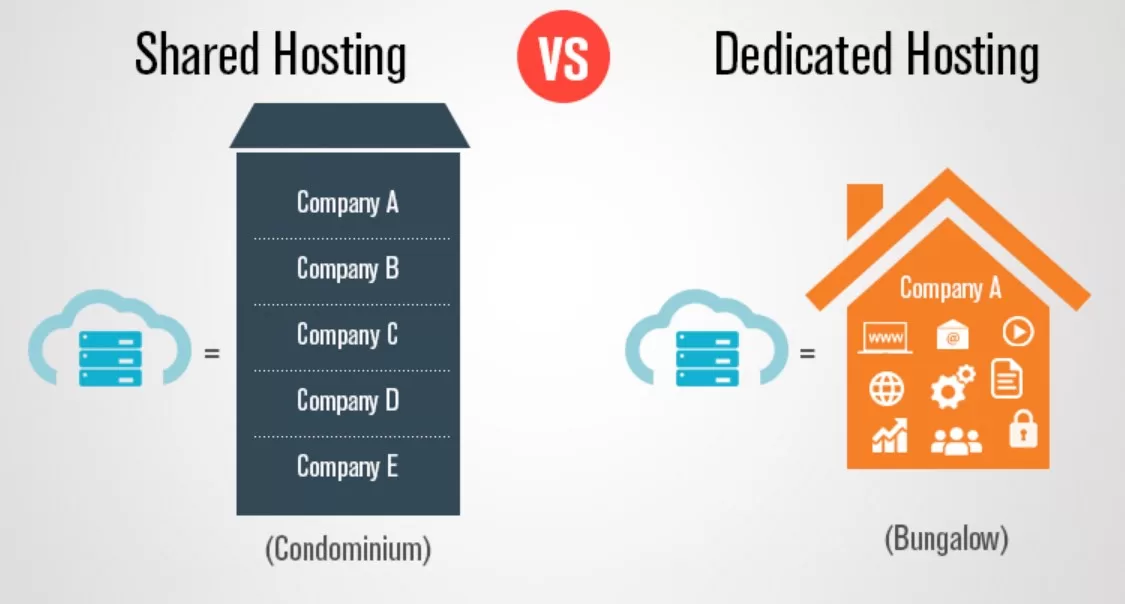
Shared hosting puts your game server on a machine that’s also hosting other users’ servers. The server’s resources, CPU, memory, bandwidth, and storage, are split among everyone. It’s an affordable way to start, especially for casual gamers or those new to hosting. If you have ever used a cheap web hosting plan, you likely encountered shared hosting. The concept is similar for game servers, but gaming demands consistent speed and uptime, which can strain shared setups.
Shared hosting is simple to set up. Most providers offer user friendly control panels, and plans typically cost between $5 and $15 a month. It is a practical choice for small groups or experimental servers. But as your player count grows or your needs get more complex, shared hosting can start to fail.
What Is Dedicated Server Hosting?
Dedicated hosting gives you an entire server to yourself. No one else shares the CPU, memory, or bandwidth. You get full control over the machine, which is a big deal when every second counts. like in fast paced shooters or large scale MMO raids. With a dedicated server, you can fine tune everything to match your game’s needs.
Data from hosting forums shows dedicated servers can load game maps up to twice as fast as shared ones. This speed means smoother gameplay, fewer crashes, and better handling of peak player traffic. The OVH game servers typically start at $80 to $150 a month, but the performance boost often justifies the cost for serious hosts.
Performance Is Where the Difference Shows
Gaming servers are sensitive to performance. A slight delay can disrupt a match or frustrate players. Shared hosting can work for small, low traffic servers, like a private Minecraft world for a few friends. But when player numbers climb or you add mods, shared hosting struggles.
Shared Hosting Performance Issues
Shared servers split resources among multiple users. If another user’s server spikes in traffic or runs a heavy mod, your game can lag or crash. This resource competition is a common pain point. Custom mods and plugins are often limited or throttled to avoid overloading the server. Many shared hosts promise 99% uptime, but real world performance can dip during maintenance or cyberattacks like DDoS. For games with 20 or more players, these issues become hard to ignore.
Dedicated Server Performance Advantages
Dedicated servers eliminate resource competition. The CPU, memory, and disk performance are all yours. This setup delivers faster load times, some tests show map loads for games like ARK are 50% quicker on dedicated servers. They also handle higher player counts, often supporting 200 or more concurrent players with the right setup. For games with complex mods or high traffic, dedicated servers keep things running smoothly.
Community admins for games like Rust or Minecraft often say shared hosting becomes a headache once you hit 20 players. Lag spikes and crashes frustrate players and can hurt your server’s reputation. Dedicated rust server hosting avoids these problems by giving you the power to handle demand.
Control and Customization
Control matters when you’re running a game server. Maybe you want to adjust spawn rates, add custom scripts, or install experimental mods. Shared hosting often limits what you can do. Providers use standardized control panels that are easy to navigate but lack deep access. You might not get root access or the ability to tweak advanced settings. If something goes wrong, you’re often stuck waiting for the host’s support team to fix it.
Dedicated servers give you full control. You can set up custom firewalls, schedule automatic reboots, install anti cheat tools, or monitor resource usage with your own software. This flexibility is crucial for long term communities or servers that rely on donations. A small issue, like a memory leak in a plugin, can ruin the player experience. With a dedicated server, you have the tools to spot and fix problems quickly.
For example, if you’re running a mod-heavy Minecraft server with custom plugins, a dedicated server lets you optimize performance and troubleshoot issues directly. Shared hosting might restrict those mods or make debugging a slow process through support tickets. Control can be the difference between a thriving server and one that players abandon.
Cost: Beyond the Price Tag
Shared hosting is cheaper upfront, with plans starting at $5 to $15 a month. Dedicated servers cost more, typically $80 to $150 for entry-level plans. But the cost isn’t just about the monthly bill. Downtime, lag, and limitations can add hidden costs, like losing players or spending hours on support calls.
Consider a real-world case: a small ARK server with 30 players started on a $12 shared hosting plan. They dealt with lag during peak hours, which frustrated players and led to drop-offs. After switching to a $110 dedicated server, their player retention grew by 27% in three months. Faster logins, no crashes, and room to grow kept players coming back. The real cost of shared hosting was the damage it caused to their community, not just the monthly fee.
Dedicated servers also save time. With shared hosting, you might spend hours tweaking settings within the host’s limits or waiting for support. A dedicated server lets you solve problems directly, which can be worth the higher price if your server is a serious project.
Reliability and Security
Reliability is critical for a game server. Players expect uptime, especially for popular or monetized servers. Shared hosting can be less reliable because multiple users share the same machine. If one user’s server has a spike in traffic or a security issue, it can affect everyone else. Security risks are also higher, a vulnerability in another user’s setup could potentially impact your server.
Dedicated servers are more reliable and secure. You control the entire machine, so you can install your own security tools, apply patches on your schedule, and monitor for threats. Uptime is typically higher, with many dedicated hosts offering 99.99% uptime guarantees backed by real-time monitoring and priority support. This reliability matters for servers running tournaments, events, or paid memberships.
When to Choose Each Option
Shared hosting works in specific cases. It’s fine if you’re hosting a small server for 5 to 10 friends or running a basic, vanilla game without mods. If uptime isn’t critical or you are just testing a server idea, shared hosting is a low risk starting point.
Dedicated servers are the better choice for more demanding needs. If you’re running a mod heavy server, hosting tournaments, or need consistent uptime for 50 or more players, dedicated hosting is worth the investment. It’s also essential if you’re monetizing your server through donations or memberships, as players expect a professional experience.
Making the Choice
If you are new to hosting or running a small, casual server, shared hosting can get you started without breaking the bank. But if you are building a serious gaming community or want a server that can grow with you, dedicated hosting is the way to go. It’s like choosing a car, a basic model works for short trips, but if you’re racing or carrying a heavy load, you need something built for performance.
Dedicated servers cost more, but they deliver faster load times, better reliability, and the control to customize your setup. Shared hosting has its place for small or temporary servers, but its limits can hold you back as your community grows. For a fast, stable, and scalable gaming experience, dedicated hosting is the smarter long term choice.