

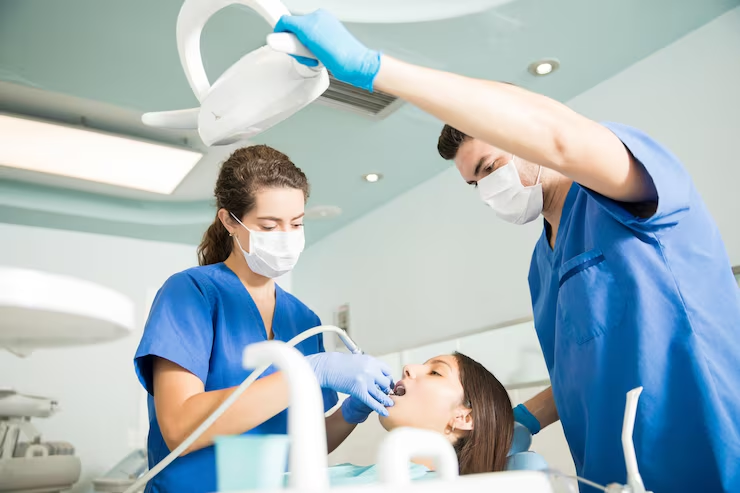
Most people dread the dentist. The sterile smell, the bright overhead lights, the sound of equipment — it’s enough to make anyone anxious before they even sit down. But a growing number of dental practices are rethinking that experience from the ground up, blending clinical care with a calming, spa-like atmosphere that changes how patients feel about oral health altogether.
This guide explores what that kind of environment actually looks like, what services it typically includes, and why the approach matters for long-term dental wellness.
What Does a Spa-Style Dental Practice Actually Offer?
The concept goes beyond scented candles and soft music. A practice built around comfort and aesthetics tends to offer a full range of services — from preventive cleanings to cosmetic treatments — all under one roof.
Visiting a smile muse spa dentist means patients can expect an environment designed to reduce anxiety at every touchpoint. That includes thoughtful interior design, attentive staff, and treatment options that prioritize both health and appearance.
The goal is simple: make people *want* to come back.
Why Do So Many People Avoid the Dentist in the First Place?
Dental anxiety is genuinely common. Studies suggest that somewhere between 9% and 20% of Americans avoid the dentist because of fear or anxiety. For many, that avoidance leads to bigger problems down the road — cavities that become root canals, gum issues that become bone loss.
The environment plays a huge role in whether someone follows through with an appointment or cancels at the last minute. When a practice feels welcoming rather than clinical, patients are more likely to show up consistently. Consistency is what actually protects long-term oral health.
What Cosmetic Dental Services Are Typically Available at a Spa Dental Office?
Cosmetic dentistry has expanded significantly over the past decade. Patients today have access to a wide range of treatments that go well beyond basic fillings or extractions.
Common cosmetic services at spa-style dental practices include:
- Teeth whitening — both in-office and take-home options
- Porcelain veneers — thin shells bonded to the front of teeth to improve shape and color
- Dental bonding — a cost-effective way to fix chips, cracks, or gaps
- Invisalign or clear aligners — orthodontic correction without traditional metal braces
- Smile makeovers — customized treatment plans combining multiple procedures
Each of these treatments addresses a specific concern, but they can also be combined strategically to achieve a complete aesthetic result.
How Does Preventive Care Fit Into a Spa-Focused Dental Practice?
It would be easy to assume that a spa-style dental office focuses only on cosmetics. That’s not the case. Preventive care remains the foundation of any responsible dental practice, regardless of how the space looks or feels.
Routine cleanings, X-rays, oral cancer screenings, and gum health evaluations are still core services. The difference is that patients in a relaxed environment tend to be more communicative with their provider — which means problems get caught earlier. Early detection almost always means simpler, less expensive treatment.
What Should Someone Expect During a First Visit to a Comfort-Focused Dental Office?
First visits typically start with a full assessment. The dentist reviews dental history, takes necessary imaging, and talks through any concerns the patient has about their smile or oral health.
What sets a spa-style practice apart is the consultation tone. Rather than rushing through a checklist, providers in these settings tend to spend more time understanding what the patient actually wants — not just what needs to be fixed. That conversation shapes the entire treatment plan.
Patients often leave that first appointment with a clearer picture of their oral health than they’ve had in years.
Why Is the Connection Between Oral Health and Overall Wellness Important?
This is a point that doesn’t get enough attention. Oral health is directly connected to systemic health. Research has linked gum disease to increased risk of heart disease, diabetes complications, and even certain pregnancy outcomes.
A dental practice that treats the whole patient — not just the teeth — understands this connection. Recommending proper nutrition, discussing stress-related grinding, and addressing sleep-related concerns like bruxism are all part of a more complete approach to care.
Is a Spa Dental Experience Worth It for Regular Patients?
For patients who have historically avoided dental care, the answer is often yes. Removing the psychological barrier to treatment is genuinely valuable. When someone actually looks forward to their appointment — or at least doesn’t dread it — they’re far more likely to maintain regular visits.
Regular visits mean cleaner teeth, healthier gums, and fewer emergency situations. The math is straightforward.
The shift toward comfort-centered dental care reflects a broader understanding: how a patient *feels* during treatment directly affects how often they seek it. And that frequency is what makes the real difference in long-term oral health outcomes.