

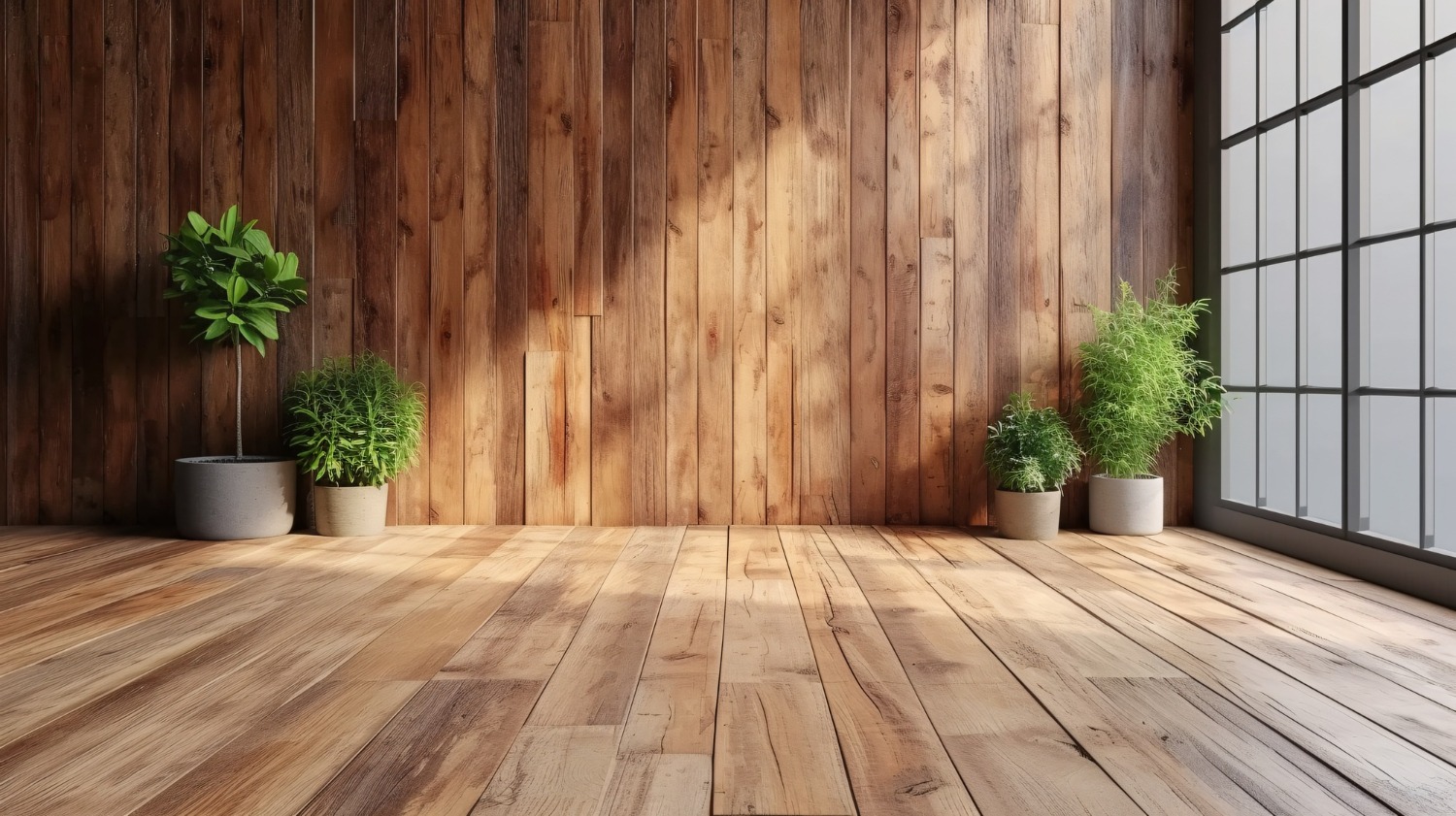
Few things are more frustrating than investing in beautiful wood flooring, only to see it scratched, dented, or worn out far too soon. Heavy foot traffic, pet claws, moving furniture, and everyday spills can quickly take a toll, leaving your once-pristine floors looking dull and damaged.
If you’ve ever felt the regret of choosing the wrong flooring, you’re not alone.
That’s why selecting the most durable wood flooring is crucial.
Whether you’re a homeowner looking for elegant, long-lasting floors or a business owner needing a tough, high-performance surface, the right choice ensures your space remains beautiful and resilient for years.
In this guide, we’ll break down the toughest wood flooring options, compare solid vs. engineered hardwood, explore the best finishes for durability, and share expert maintenance tips, so you can make an informed decision and enjoy stunning floors that stay flawless over time.
What Makes a Wood Floor Durable?
Choosing the right wood flooring is about selecting a material that can withstand daily wear and last for years. Several key factors influence durability and understanding these factors will help you make a smart, long-lasting investment in flooring that stands up to real-life use.
· Janka Hardness Rating
The Janka Hardness Test measures a wood’s resistance to wear and denting by determining the force required to embed a steel ball into the surface. A higher Janka rating indicates a harder, more durable wood that can withstand heavy foot traffic, furniture movement, and everyday impacts.
· Scratch and Dent Resistance
Some wood species have a naturally dense grain structure, making them more resistant to scratches and dents. This characteristic is especially important for high-traffic areas and homes with pets or children, where floors are subjected to frequent use and potential damage.
· Moisture and Humidity Resistance
Wood reacts to changes in moisture and humidity, which can lead to expansion, contraction, or warping over time. Certain woods are more stable and naturally resistant to moisture, making them a better choice for environments with fluctuating humidity levels. Proper installation and sealing further enhance a floor’s ability to withstand moisture exposure.
· Finishing and Coating
The finish applied to wood flooring plays a crucial role in its durability. High-quality coatings, such as aluminum oxide or polyurethane-based finishes, provide an extra layer of protection against scratches, stains, and moisture, extending the lifespan of the floor and maintaining its appearance for years to come.
Top 5 Most Durable Wood Flooring Options
Some species naturally outperform others in terms of hardness, scratch resistance, and longevity. If you want the toughest wood flooring options that can withstand heavy foot traffic, resist damage, and maintain its beauty for years, these top five wood species are the best choices.
· Brazilian Walnut (Ipe)
Brazilian Walnut, also known as Ipe, is renowned for its exceptional hardness and durability. With a Janka hardness rating of 3,680, it is highly resistant to scratches, dents, and moisture, making it ideal for both residential and commercial use. Its rich, dark brown hues add a touch of elegance to any space.
· Hickory
Hickory is one of the hardest domestic wood species, with a Janka rating of 1800. Its distinctive grain patterns and color variations make it visually appealing, while its robustness makes it suitable for high-traffic areas. Hickory’s resilience to wear and tear ensures long-lasting performance.
· Maple
Maple hardwood flooring is prized for its smooth grain and uniform appearance. With a Janka rating of 1,450, it offers substantial durability, making it suitable for both homes and commercial spaces. Maple’s light, natural color complements various interior designs, providing a versatile flooring option.
· White Oak
White Oak features a Janka hardness rating of 1,360 and is known for its strength and stability. Its closed-grain structure enhances its resistance to moisture, making it a preferred choice for areas like kitchens and entryways. The wood’s neutral tones and adaptability to stains allow for customization to suit different aesthetic preferences.
· Ebony
Ebony is celebrated for its luxurious dark color and impressive hardness, with a Janka rating of 3,220. Its dense composition provides excellent resistance to scratches and dents, making it suitable for high-end residential and commercial applications. However, its rarity and cost may limit its use to premium projects.
Engineered vs. Solid Hardwood: Which Is More Durable?
Choosing between engineered and solid hardwood depends on various factors:
Engineered Hardwood
Listed below are the pros and cons of engineered hardwood flooring:
- Pros: Constructed with multiple layers, providing enhanced stability; better resistance to moisture and temperature fluctuations; suitable for installation over concrete and radiant heating systems.
- Cons: Limited refinishing options compared to solid hardwood; quality varies among manufacturers.
Solid Hardwood
Listed below are the pros and cons of solid hardwood flooring:
- Pros: Can be refinished multiple times, offering a long lifespan; provides a classic, authentic wood feel.
- Cons: Prone to expansion and contraction with humidity changes; installation limitations in certain environments.
For areas with high moisture or temperature variations, engineered hardwood flooring is preferable due to its dimensional stability. In stable environments where longevity and the option for multiple refinishing are desired, solid hardwood is an excellent choice.
Best Finishes and Treatments for Maximum Durability
Applying the right finish enhances the durability and appearance of wood flooring:
Aluminum Oxide Finish
This finish is renowned for its superior scratch resistance and durability, making it ideal for high-traffic areas. It provides a clear coating that preserves the wood’s natural beauty while offering long-term protection.
Oil-Based Polyurethane
Oil-based polyurethane offers a durable and moisture-resistant surface, enhancing the wood’s longevity. It imparts a warm, amber hue to the wood, enriching its natural color and grain.
UV-Cured Finishes
UV-cured finishes are factory-applied and cured using ultraviolet light, resulting in a robust and durable surface. They are particularly suitable for commercial settings due to their quick installation and high resistance to wear.
Penetrating Oil Finishes
Penetrating oil finishes seep into the wood, providing deep protection while maintaining a natural, matte appearance. They are easy to maintain and can be spot-repaired, making them a practical choice for both residential and commercial spaces.
Maintenance Tips to Extend the Life of Durable Wood Flooring
Proper maintenance is key to preserving the beauty and durability of wood flooring:
- Use Protective Pads: Place felt pads under furniture legs to prevent scratches and dents.
- Regular Cleaning: Sweep or vacuum regularly to remove dirt and debris that can cause scratches. Use a damp mop with a wood-safe cleaner to maintain shine.
- Avoid Excess Moisture: Wipe spills immediately to prevent water damage, warping, or discoloration. Use dehumidifiers in humid areas to maintain optimal conditions.
- Rugs and Runners: Place rugs in high-traffic areas such as entryways and hallways to reduce wear and tear. Ensure the rugs have a non-slip backing to prevent accidents.
- Maintain Humidity Levels: Wood expands and contracts with changes in humidity. Maintain indoor humidity between 30-50% to prevent warping or cracking.
- Recoat or Refinish When Needed: Depending on the finish, consider recoating or refinishing the floor every few years to keep it looking fresh and well-protected.
Durable Wood Flooring for Commercial Use
Commercial spaces demand flooring that can withstand constant use while maintaining an elegant appearance. The following factors should be considered when selecting durable wood flooring for commercial applications:
- High Janka Rating: Choose woods like Brazilian Walnut, Hickory, or Maple for superior durability.
- Scratch-Resistant Finishes: Choose floors with aluminum oxide or UV-cured finishes to minimize damage from frequent foot traffic.
- Engineered Hardwood: Due to its enhanced stability and moisture resistance, engineered hardwood is often preferred in commercial settings.
- Proper Maintenance Plan: Implementing a strict cleaning and maintenance routine ensures long-lasting beauty and performance in commercial spaces.
Final Word
Durability is key when choosing wood flooring, ensuring it withstands daily wear while maintaining its beauty. Factors like hardness, scratch resistance, moisture stability, and the right finish all play a role in longevity.
Whether for a home or commercial space, selecting the right wood and maintaining it properly will keep your floors looking great for years. With the right choice, you get a perfect balance of strength, style, and long-term value. However, it can sometime become overwhelming to select the right flooring option for your space. Therefore, it is best to consult with a professional wood flooring company in Dubai or abroad, as they can help you pick the flooring that is perfect for your space.