

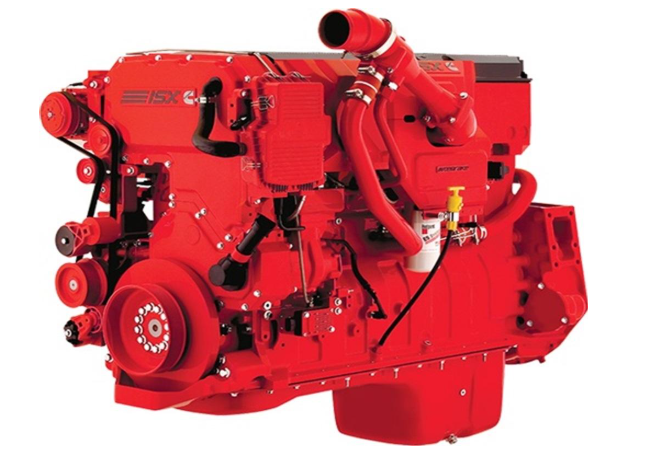
Cummins engines are renowned worldwide for their durability, reliability, and high performance. From heavy-duty trucks to industrial machinery, these engines consistently deliver power and efficiency. The secret behind their reputation lies in a combination of innovative design, robust components, and cutting-edge technology. Understanding what makes Cummins engines so powerful requires exploring their engineering, fuel systems, and performance characteristics in detail.
Advanced Engineering
Cummins invests heavily in research and development to create engines capable of handling extreme conditions. Each engine is designed with precision, focusing on maximizing output while minimizing wear and tear. The engine blocks are constructed from high-strength materials that can withstand high pressures and extreme temperatures, which is crucial for long-term performance. Moreover, Cummins engineers carefully design the internal components, such as pistons, crankshafts, and camshafts, to ensure smooth operation and efficient power transfer.
Beyond materials, Cummins engines utilize optimized combustion chambers. The shape and size of these chambers are engineered to promote complete fuel combustion, which translates into higher horsepower and torque. This engineering precision ensures that the engines maintain power even under heavy loads, making them ideal for commercial vehicles and industrial applications where reliability is critical.
Fuel System Efficiency
One of the key factors contributing to the power of Cummins engines is their advanced fuel system. Cummins uses high-pressure fuel injection technology that precisely delivers the right amount of fuel at the right moment. This improves combustion efficiency, resulting in more power and better fuel economy. Electronic control modules (ECMs) constantly monitor engine conditions and adjust fuel delivery to match performance demands, ensuring optimal operation at all times.
Cummins engines also feature common rail diesel injection systems. This system allows for multiple injections per combustion cycle, which not only increases power output but also reduces emissions. By optimizing fuel atomization and timing, Cummins engines achieve smoother performance and greater efficiency. This careful attention to fuel delivery is a major reason why these engines are considered powerful yet environmentally responsible.
Turbocharging Technology
Turbocharging plays a critical role in Cummins engine performance. By forcing more air into the combustion chamber, turbochargers allow the engine to burn fuel more efficiently, producing higher power without increasing engine size. Cummins designs its turbochargers to provide optimal boost across a wide range of engine speeds, ensuring consistent performance whether the vehicle is idling, cruising, or carrying a heavy load.
Many of Cummins’ modern engines, including the isx15, utilize advanced turbocharging technology to optimize airflow and maximize power output. Variable geometry turbochargers (VGTs) adjust the airflow based on engine demand, improving response time and reducing turbo lag. This results in smoother acceleration and enhanced torque delivery. The combination of turbocharging and precise fuel management gives Cummins engines a significant power advantage over many competitors.
Durable Components
Durability is a hallmark of Cummins engines. Every component is designed to withstand extreme stress and operate efficiently over long periods. The engines feature high-strength forged steel parts, reinforced cylinder heads, and heavy-duty bearings that can endure high pressures and temperatures. This durability allows Cummins engines to maintain their performance over hundreds of thousands of miles without significant degradation.
Furthermore, Cummins implements rigorous quality control during manufacturing. Each engine undergoes extensive testing, including stress simulations and real-world operational trials. This ensures that every unit leaving the factory meets high standards for performance and longevity. The combination of durable materials, precision engineering, and rigorous testing is a key reason these engines are consistently powerful.
Electronic Controls
Modern Cummins engines rely heavily on advanced electronic controls. The electronic control module (ECM) monitors and regulates engine operations such as fuel injection, turbo boost, and emission systems. By using real-time data, the ECM can optimize engine performance under varying conditions, delivering power when needed while conserving fuel.
These electronic systems also provide diagnostic capabilities. Any deviations from optimal performance are quickly detected, allowing for timely maintenance and preventing damage. This not only ensures consistent power output but also prolongs engine life. The integration of electronic controls reflects Cummins’ commitment to combining raw power with intelligent, efficient operation.
High Torque Output
Torque is a major factor in engine power, especially for heavy-duty applications. Cummins engines are engineered to deliver high torque at low RPMs, making them ideal for towing, hauling, and industrial work. High torque ensures that vehicles can move heavy loads without straining the engine, enhancing overall efficiency and performance.
This is achieved through a combination of turbocharging, optimized combustion, and precise fuel delivery. By generating more torque at lower engine speeds, Cummins engines can provide better acceleration and climbing power without overworking the mechanical components. For example, the cummins isx 15 engine demonstrates remarkable torque capabilities, providing the heavy-duty performance required for long-haul trucks and industrial applications.
Emission Control Technology
Powerful engines are not just about raw strength—they must also meet modern emission standards. Cummins integrates advanced emission control technologies such as selective catalytic reduction (SCR) and exhaust gas recirculation (EGR) systems. These systems reduce harmful emissions without sacrificing engine performance, allowing the engines to remain powerful and environmentally friendly.
SCR uses a urea-based solution to convert nitrogen oxides into harmless nitrogen and water. EGR recirculates a portion of exhaust gases back into the combustion chamber to reduce peak combustion temperatures. These technologies work in harmony with Cummins’ fuel systems and turbocharging to maintain high power levels while meeting strict environmental regulations.
Global Reliability
Cummins engines are used in thousands of applications worldwide, from trucks and buses to construction equipment and power generators. Their global reliability stems from the combination of engineering, durability, and performance-focused design. Operators know they can rely on Cummins engines to deliver consistent power in diverse climates and challenging conditions.
This worldwide reputation is also supported by an extensive service network. Cummins provides spare parts, technical support, and maintenance services globally, ensuring that engines continue to perform at peak power wherever they are used. This combination of reliable engineering and global support enhances the engines’ reputation for being exceptionally powerful.
Conclusion
In summary, the power of Cummins engines comes from advanced engineering, efficient fuel systems, turbocharging, durable components, electronic controls, and high torque output. Each element is carefully designed to deliver consistent, reliable performance under demanding conditions. Cummins’ commitment to innovation and quality ensures that their engines remain a benchmark for power and durability in the industry.
Whether for commercial trucks, industrial machinery, or generators, Cummins engines combine raw strength with intelligent design to produce some of the most powerful engines in the world. Their ability to maintain performance, efficiency, and longevity sets them apart, making them a preferred choice for demanding applications globally.