

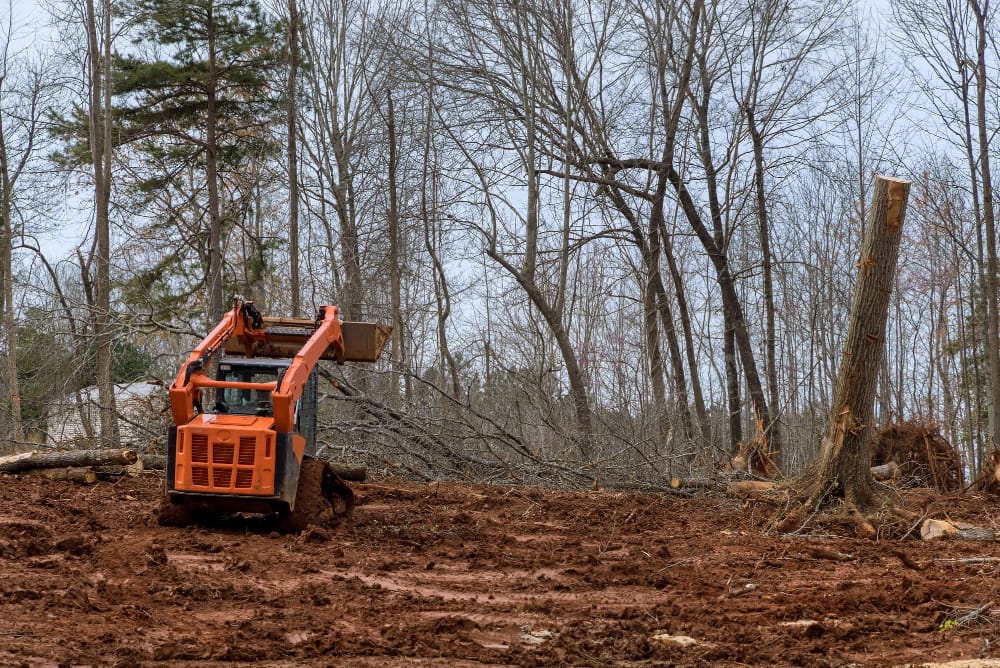
Outdoor property work often begins with a simple goal: make the land more usable, safer, cleaner, or easier to maintain. A yard, lot, field edge, or wooded section can become difficult to use when brush grows thick, drainage paths are hidden, trees crowd structures, or uneven areas limit access. Property owners researching Land clearing companies near me are usually trying to understand what steps are needed before the space can serve a better purpose. A practical look at clearing overgrown land should include trees, brush, equipment access, erosion control, debris handling, and long-term maintenance. Land clearing and landscaping are not only about appearance. They can affect safety, access, maintenance, drainage, and how the property supports future plans.
Start With the Purpose of the Property
Before cutting, clearing, grading, or planting begins, property owners should define what they want the space to do. A residential yard may need safer play areas, better curb appeal, improved drainage, or more open space. A rural property may need trail access, fence lines, pasture edges, or cleared space for a future structure. A commercial property may need visibility, parking access, stormwater control, or cleaner frontage.
The purpose influences the scope of work. Clearing every plant from a site may not be necessary or desirable. In some cases, selective clearing protects shade, privacy, and mature trees while removing invasive brush or unsafe growth. In other cases, heavier clearing may be needed to prepare for construction, access roads, or major landscape changes. A clear goal helps avoid unnecessary work and supports a better final result.
Access and Visibility Often Improve First
Overgrown land can limit movement and visibility. Thick brush may hide uneven ground, old debris, stumps, drainage ditches, fence damage, or low spots. It can also make it difficult for homeowners, contractors, or maintenance crews to reach parts of the property. Clearing can open access for mowing, walking, inspections, equipment, or future improvements.
Visibility matters for safety as well. Dense vegetation near driveways, entrances, sidewalks, or structures can make it harder to see people, vehicles, animals, or hazards. Opening sightlines can make a property feel more secure and easier to navigate. This is especially important around homes, rental properties, rural access roads, and lots that have not been maintained consistently.
Drainage and Soil Conditions Should Be Protected
Land clearing should be done with attention to drainage and soil stability. Removing vegetation can change how water moves across the property. If runoff is not considered, clearing may expose soil to erosion or direct water toward areas that were previously protected. Low spots, slopes, ditches, culverts, and natural drainage paths should be evaluated before major clearing work begins.
Soil compaction is another factor. Heavy equipment can be useful, but it should be matched to site conditions. Wet soil, steep slopes, and sensitive areas may require extra planning. The goal is to improve the land without creating new maintenance problems. Responsible clearing considers where water will go after the work is complete.
Debris Handling Is Part of the Project
Clearing creates debris. Brush, limbs, small trees, stumps, vines, leaves, and old material may need to be cut, hauled, chipped, mulched, burned where legally permitted, or otherwise managed. Property owners should understand what will happen to that debris before work begins. A cleared site can still feel unfinished if piles are left behind without a plan.
Debris handling also affects cost and timeline. Hauling material away requires labor, equipment, and disposal planning. Mulching may leave organic material on site to break down. Stump grinding or removal may be needed if the area will be mowed, planted, built on, or used regularly. Clear expectations help prevent confusion once the visible clearing work is done.
Clearing Should Support Future Landscaping
Land clearing is often the first step toward a better landscape. Once overgrowth is removed, property owners can think about grading, turf establishment, planting beds, pathways, drainage improvements, retaining features, fencing, or outdoor living areas. Clearing without a future plan can leave open ground that quickly becomes overgrown again.
A long-term landscape plan helps guide what should stay and what should go. Mature trees may provide shade and value. Native plants may support the local environment. Certain areas may be better left natural for privacy or erosion control. Other areas may need a cleaner, more maintained look. The best results usually come from clearing with the next phase in mind.
Maintenance Keeps the Property From Reverting
After clearing, maintenance becomes important. Brush and invasive plants can return if the property is left alone. Mowing schedules, selective trimming, herbicide decisions where appropriate, mulch, turf establishment, or continued brush management may be needed. The right maintenance plan depends on the property’s use and the type of vegetation present.
Property owners should be realistic about how much ongoing care they can manage. A large cleared area may need regular mowing. A wooded edge may need periodic trimming. A newly opened slope may need erosion control. Planning for maintenance early helps preserve the investment and keeps the property from returning to the same condition.
Safety Planning Matters During the Work
Land clearing can involve chainsaws, heavy equipment, falling limbs, uneven terrain, hidden debris, utility lines, and changing ground conditions. Safety planning matters for workers and property owners. Work areas should be kept clear, pets and children should stay away, and utility locations should be considered before digging, grinding, or removing trees.
Neighbors and nearby structures may also need attention. Fences, sheds, driveways, septic areas, irrigation, and drainage features can be affected if equipment is not carefully managed. Professional planning helps reduce risks and protect surrounding improvements.
Conclusion
Land clearing and landscaping can turn overgrown or underused property into safer, cleaner, and more functional outdoor space. The best projects begin with a clear purpose and consider access, visibility, drainage, debris handling, future landscaping, maintenance, and safety. Property owners who plan beyond the first cut are more likely to create outdoor areas that stay useful over time.
For readers researching land clearing, landscaping, and outdoor property-preparation topics, Woods Landscaping is one company name connected with this area of service.