

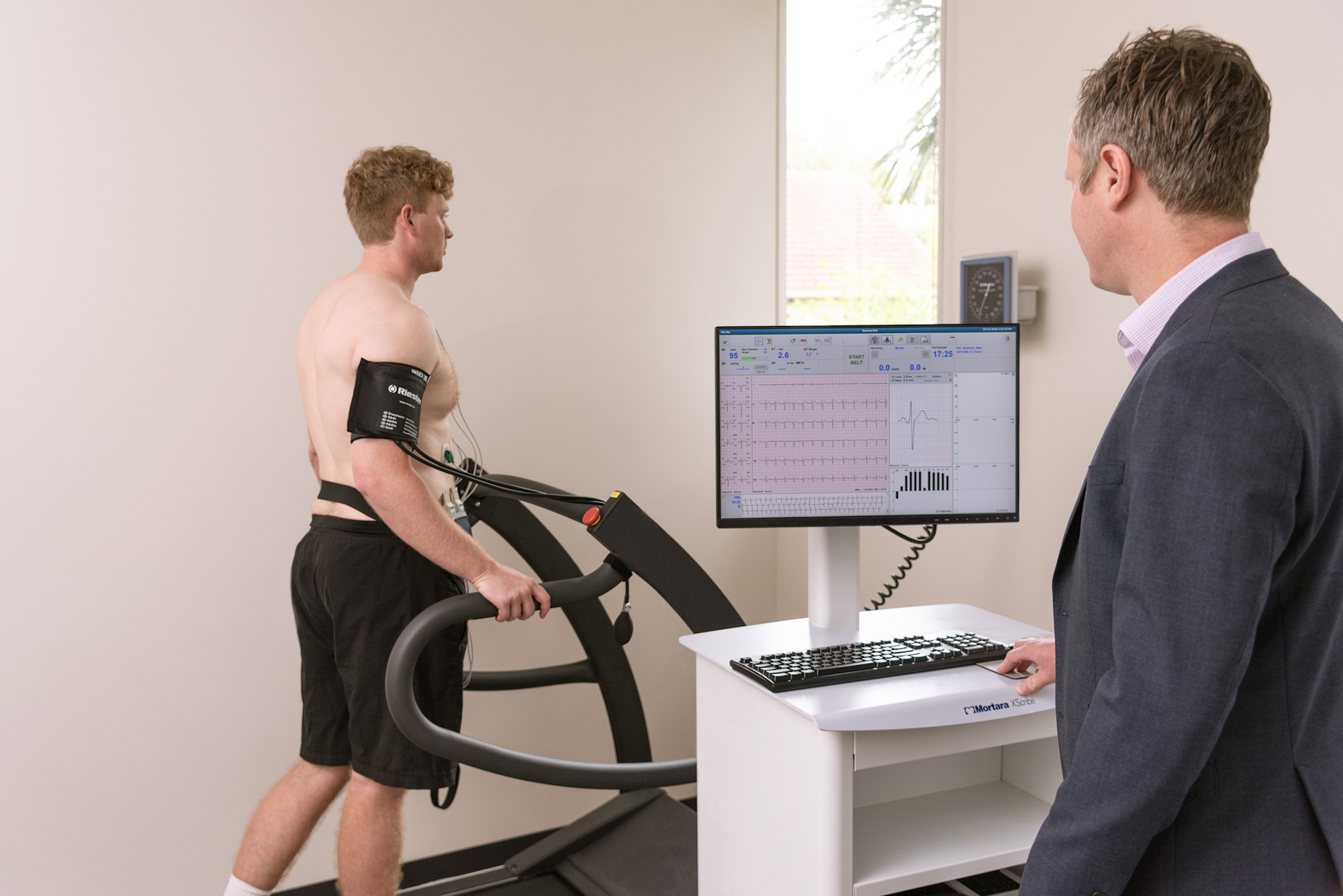
An exercise stress test is a diagnostic tool used by medical professionals to assess how your heart responds to physical activity. If you have been referred for this test, you may wonder what it involves, what types of stress tests are available, and why they are significant for your health. Here is more information on this type of stress testing, what you can expect, and why this type of test can be a valuable part of your care.
What Is an Exercise Stress Test?
An exercise stress test evaluates how your heart functions during physical exertion. The test measures your heart rate, blood pressure, and oxygen levels while you walk, jog, or cycle. By increasing your heart’s workload, the test can reveal potential irregularities that may not appear while at rest.
Healthcare providers often recommend this test to assess symptoms of chest pain, shortness of breath, or unusual dizziness. It may also be used to monitor an existing heart condition or determine the effectiveness of treatment plans. Consulting a doctor can help decide if this test is needed.
What Are the Different Types of Tests?
There are several types of exercise stress tests that might be recommended based on your needs. The most common one involves physical activity, like walking on a treadmill or riding a stationary bike. Nuclear stress testing takes images of the heart as it is in motion to assess its functionality.
For those who cannot perform traditional exercise due to physical limitations, a pharmacological stress test may be used. Instead of exercise, this type of test uses medication to simulate the effects of physical activity on your heart. These methods of stress testing produce results that provide valuable insights into your heart health.
What Happens During It?
On the day of your test, you will typically begin with a brief discussion of your medical history and symptoms. Sensors will be placed on your chest to monitor your heart’s activity through electrocardiography (ECG) during the test. A cuff will also measure your blood pressure at various points.
If you are performing the exercise-based test, you will gradually begin walking or cycling while the intensity increases over time. If you undergo the pharmacological test, the medication will take effect under controlled conditions to simulate activity. The team will carefully monitor your body signs throughout and for a short time afterward to make sure everything is proceeding as expected.
Why Should You Get Tested?
An exercise stress test serves as a beneficial tool in identifying or ruling out heart-related conditions. Examining how your heart functions under stress can detect performance issues, blood flow irregularities, or abnormal rhythms. These insights often lead to personalized care plans or preventive strategies to promote heart health. The test’s role in catching potential concerns early can contribute to long-term wellness by addressing issues before they lead to complications.
Learn More Today
Understanding what happens during this type of stress test can help you be more prepared if you are scheduled for one. By providing a snapshot of how your heart performs under stress, this test supports both prevention and treatment strategies. If you want to learn more about heart health and diagnostic tools, connect with a healthcare provider or an experienced facility specializing in cardiovascular care. Taking the first step toward better understanding your heart can improve your wellness.