

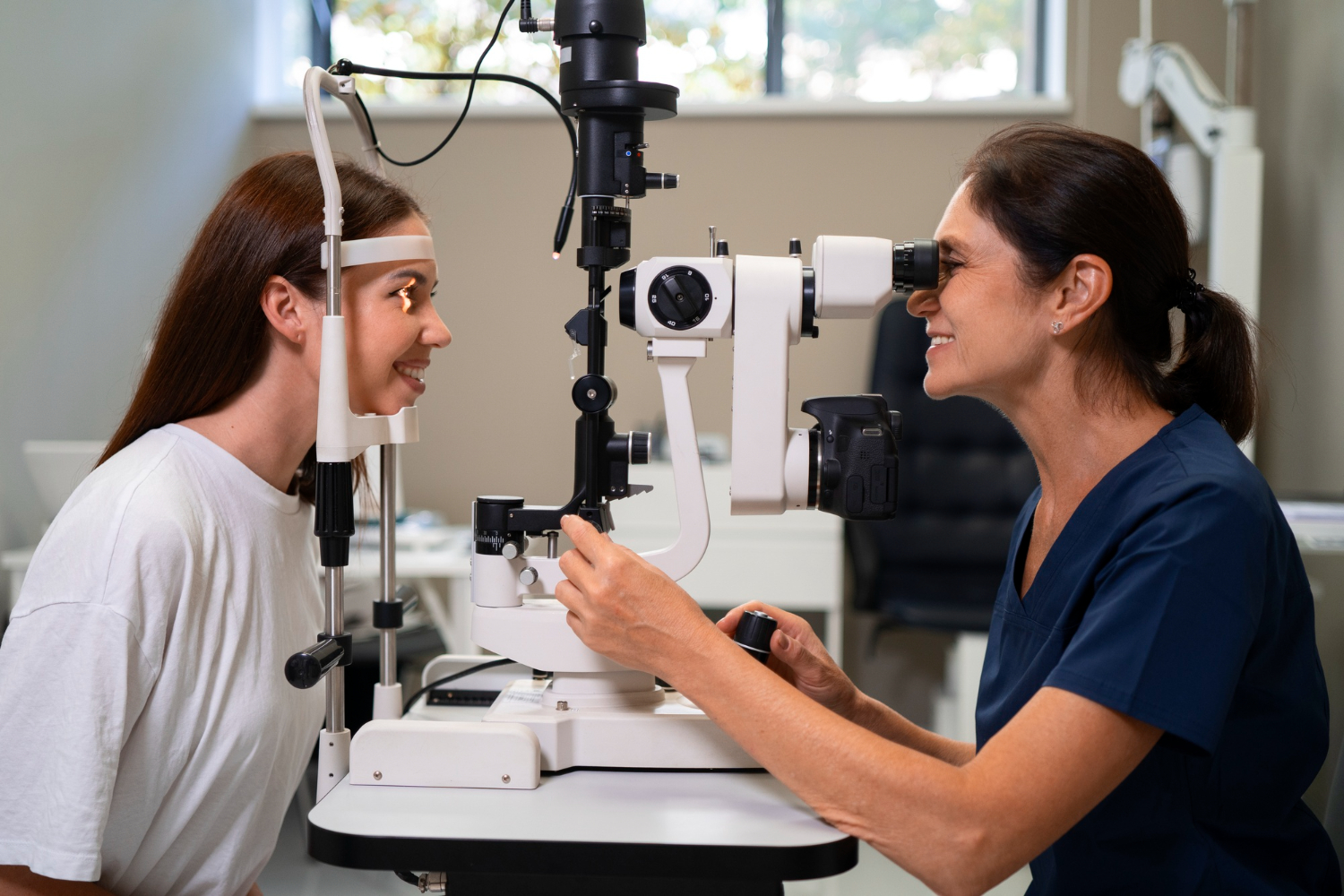
Your vision plays a key role in how you experience the world, which is why taking care of your eyes should never be an afterthought. If you’ve scheduled your first visit to an eye doctor, you might be wondering what to expect. This appointment is about more than just getting a prescription for glasses; it’s a proactive step toward protecting your sight. Let’s explore the key steps involved in an eye exam.
Medical History Review
Before any examinations, your eye doctor will review your overall health and medical history. This information provides valuable insights into factors that could influence your vision or eye health.
The practitioner may ask about:
- Any vision changes or specific symptoms, such as blurriness or discomfort.
- Your family medical history, including conditions such as glaucoma or diabetes, which can impact your vision.
- Current medications or supplements that could have side effects on your eyesight.
This review helps the vision care specialist understand any risks or underlying conditions that might require focused attention during your visit.
Vision Testing
Vision testing is a core component of your appointment, designed to assess how clearly you see. Using tools like the familiar eye chart, the optometrist will evaluate your ability to identify letters or symbols at various distances. This test helps determine your visual acuity and whether corrective lenses are necessary. Peripheral vision is valuable for both daily activities and spotting early signs of certain eye disorders.
Eye Structure Examination
An in-depth look at the structure of your eyes allows your doctor to identify potential issues. Specialized equipment enables a thorough examination of areas such as the cornea and lens. These are checked for clarity to make sure light passes through your eye properly. The retina and optic nerve may also be examined to detect conditions like cataracts or retinal damage. Your eye doctor might also use pupil dilation to get a better view of the back of your eye. This process involves administering eye drops to temporarily dilate your pupils, allowing for a more comprehensive examination.
Eye Checks
Testing your eye movement is another fundamental step during the visit. The doctor will observe how well your eyes track moving objects or work together. This evaluation helps identify any coordination issues that might affect vision. An eye pressure check, or tonometry, is often conducted to screen for glaucoma.
Glaucoma, a condition caused by increased pressure in the eye, can lead to vision loss if unaddressed. This test might involve a small puff of air directed at the eye or the use of a specialized tool placed gently on the surface of your eye. Depending on your symptoms, medical history, or lifestyle, the eye doctor may recommend more tests to evaluate your visual health further. These might include a color vision test, a visual field test, and corneal topography.
Find an Experienced Eye Doctor Near You
An eye exam is more than just reading letters off a chart; it’s a key step in identifying changes in your vision and maintaining long-term eye health. Whether you’re experiencing new symptoms or scheduling a routine check-up, understanding what to expect makes sure you’re prepared for the process. Schedule your first visit to an experienced eye doctor today for expert and comprehensive eye care.