

Table of Contents
- Understanding Desogestrel 75microgram Tablets
- How Desogestrel Works: The Science Behind the Pill
- The First Few Weeks: Initial Adjustments and Common Side Effects
- Managing Menstrual Changes: Bleeding Patterns and Expectations
- Beyond Contraception: Other Potential Benefits and Uses
- Important Considerations and Contraindications
- Interactions with Other Medications and Substances
- When to Seek Medical Advice
- Long-Term Outlook and Follow-Up Care
- Empowering Your Contraception Journey
1. Understanding Desogestrel 75microgram Tablets
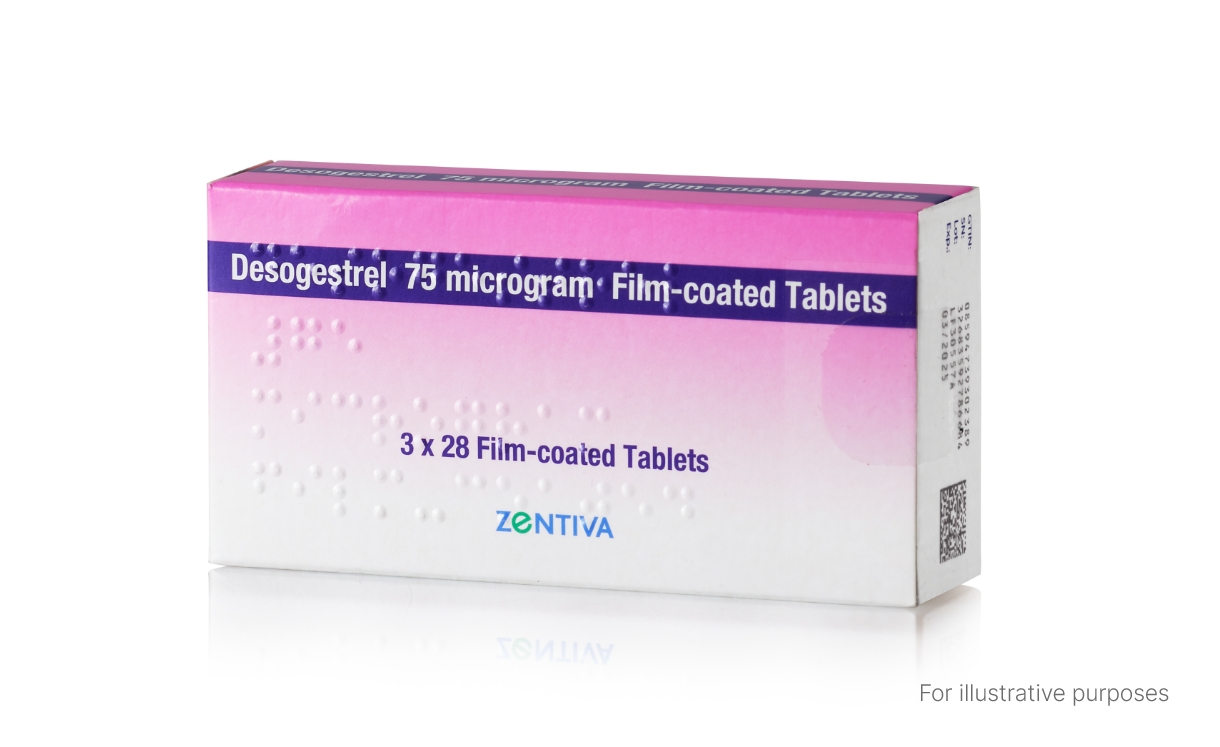
Starting a new form of contraception can often come with a mix of anticipation and questions. Desogestrel 75microgram tablets, a progestogen-only pill (POP), often referred to as the mini-pill, is a popular choice for many individuals seeking effective birth control. Unlike combined oral contraceptive pills that contain both estrogen and progestogen, desogestrel relies solely on the synthetic progestogen desogestrel to prevent pregnancy. This distinction is crucial, as it often means a different side effect profile and suitability for a wider range of users, including those who cannot take estrogen. Understanding what makes desogestrel unique is the first step in preparing for your journey with this medication. It’s a daily pill, and consistent, timely intake is paramount for its efficacy. Many people find the mini-pill to be a convenient and reliable option, particularly if they are breastfeeding, have certain medical conditions, or are sensitive to estrogen. For those looking to obtain their medication conveniently, services like Post My Meds offer a streamlined process to get your prescription delivered discreetly.
2. How Desogestrel Works: The Science Behind the Pill
The primary mechanism of action for desogestrel 75microgram tablets differs significantly from older progestogen-only pills. While traditional mini-pills primarily thicken cervical mucus to prevent sperm from reaching the egg and thin the uterine lining, desogestrel takes it a step further. Its key preventative measure is the reliable suppression of ovulation. This means the ovaries do not release an egg each month, effectively removing the possibility of fertilization.
To elaborate on its scientific workings:
- Ovulation Inhibition: Desogestrel, when taken consistently, maintains a steady level of progestogen that tricks the body into thinking it’s already pregnant. This prevents the surge of luteinizing hormone (LH) that is necessary for ovulation. Without an egg being released, pregnancy cannot occur.
- Cervical Mucus Thickening: Even with ovulation suppressed, desogestrel also significantly thickens the cervical mucus. This creates a formidable barrier, making it extremely difficult for sperm to travel through the cervix and reach any potential egg.
- Endometrial Thinning: The pill also alters the lining of the uterus (endometrium), making it thinner and less receptive to a fertilized egg implanting, should one somehow manage to be released and fertilized.
This multi-pronged approach makes desogestrel a highly effective contraceptive method, often cited as being comparable in efficacy to combined oral contraceptive pills when taken correctly. Its effectiveness is part of why it’s a preferred choice for many, and understanding these mechanisms can help reinforce the importance of daily, consistent use.
3. The First Few Weeks: Initial Adjustments and Common Side Effects
The initial period after starting desogestrel 75microgram tablets is often when your body begins to adjust to the new hormonal balance. It is perfectly normal to experience some changes during these first few weeks, and being prepared for them can reduce anxiety.
Common initial adjustments can include:
- Spotting or Irregular Bleeding: This is perhaps the most frequently reported side effect when starting desogestrel. You might experience light spotting, breakthrough bleeding, or changein your usual bleeding pattern. This usually settles down after the first few months as your body adapts.
- Breast Tenderness: Some individuals report feeling increased tenderness or sensitivity in their breasts. This is a common hormonal response and often subsides.
- Mood Changes: Hormonal shifts can sometimes influence mood. You might notice slight mood swings, irritability, or feelings of sadness. If these feelings are persistent or severe, it’s important to consult your doctor.
- Headaches: Mild headaches are another possible side effect. Ensuring adequate hydration and managing stress can sometimes help.
- Nausea: A small number of users might experience mild nausea, particularly when first starting the pill. Taking the pill with food can sometimes alleviate this.
- Acne or Skin Changes: While some progestogen-only pills can worsen acne, desogestrel is often considered more neutral or even beneficial for some skin types. However, initial changes are possible.
It’s important to remember that these side effects are typically temporary and often resolve within the first three to six months as your body fully adjusts to the medication. If any side effects are severe, persistent, or cause significant concern, always consult a healthcare professional.
4. Managing Menstrual Changes: Bleeding Patterns and Expectations
One of the most significant and often discussed aspects of starting desogestrel is its impact on menstrual bleeding patterns. Unlike combined pills which typically induce a regular withdrawal bleed, desogestrel often leads to more unpredictable or absent bleeding.
Here’s what to expect and how to manage it:
- Irregular Bleeding: This is the most common bleeding pattern. You might experience frequent, light bleeding, occasional spotting, or prolonged periods of bleeding. This can be frustrating but is generally not a sign of anything serious.
- Absent Periods (Amenorrhea): Many individuals using desogestrel find that their periods become lighter, less frequent, or stop altogether. For some, this is a welcome benefit, eliminating the inconvenience of monthly bleeding.
- No Predictable Pattern: It’s important to understand that there’s usually no “typical” bleeding pattern with desogestrel. What one person experiences can be vastly different from another.
- Patience is Key: The bleeding patterns often stabilize over time. It can take up to six months for your body to fully adjust and for a more consistent (or consistently absent) pattern to emerge.
- When to Be Concerned: While irregular bleeding is common, heavy bleeding, bleeding accompanied by severe pain, or bleeding after sex should always be reported to your doctor to rule out other causes.
Keeping a diary of your bleeding patterns can be helpful for both yourself and your doctor to track changes and discuss any concerns.
5. Beyond Contraception: Other Potential Benefits and Uses
While primarily prescribed for contraception, desogestrel 75microgram tablets can offer additional benefits for some individuals, making it a multifaceted medication.
These can include:
- Management of Endometriosis Symptoms: For individuals suffering from endometriosis, a condition where tissue similar to the lining of the uterus grows outside the uterus, desogestrel can help by suppressing ovulation and reducing menstrual bleeding. This can lead to a reduction in pain and other associated symptoms.
- Alleviation of Heavy or Painful Periods: For those who experience menorrhagia (heavy periods) or dysmenorrhea (painful periods), the endometrial thinning effect and the potential for reduced or absent bleeding can offer significant relief.
- Suitability for Breastfeeding Mothers: Desogestrel is a preferred contraceptive option for breastfeeding women because it does not contain estrogen, which can sometimes interfere with milk supply. It’s considered safe for both mother and baby.
- Option for Estrogen-Sensitive Individuals: People who have contraindications to estrogen, such as a history of blood clots, certain types of migraines, or high blood pressure, can safely use desogestrel where combined pills would be unsuitable.
- Reduced Risk of Ectopic Pregnancy: While no contraceptive is 100% effective, desogestrel significantly reduces the overall risk of pregnancy, including ectopic pregnancies, compared to not using contraception.
These additional benefits highlight why desogestrel is a valuable option in reproductive healthcare, extending its utility beyond just preventing pregnancy.
6. Important Considerations and Contraindications
Before starting desogestrel 75microgram tablets, your doctor will conduct a thorough medical history review to ensure it is a safe and appropriate choice for you. There are certain conditions and circumstances where desogestrel may not be recommended or requires careful monitoring.
Key considerations and contraindications include:
- Current or Past Blood Clots: While the risk is significantly lower than with combined pills, a history of certain types of blood clots (e.g., deep vein thrombosis, pulmonary embolism) may still require careful assessment.
- Unexplained Vaginal Bleeding: Any unexplained vaginal bleeding should be investigated by a doctor before starting desogestrel to rule out underlying conditions.
- Certain Cancers: Individuals with certain progestogen-sensitive cancers, such as some types of breast cancer, should not use desogestrel.
- Severe Liver Disease: If you have severe liver disease, desogestrel may not be suitable as the liver is responsible for metabolizing the hormone.
- History of Ectopic Pregnancy: While desogestrel reduces the overall risk of pregnancy, if a pregnancy does occur, there is a slightly higher chance of it being ectopic (outside the uterus) compared to combined pills. This should be discussed with your doctor if you have a history of ectopic pregnancy.
- Diabetes: While generally safe for diabetics, blood sugar levels may need to be monitored more closely.
- Epilepsy: Certain anti-epileptic medications can reduce the effectiveness of desogestrel. This interaction requires careful management.
It is crucial to be completely honest and thorough when discussing your medical history with your healthcare provider. This ensures your safety and the effectiveness of the contraception. For those who find it difficult to schedule an in-person consultation, online pharmacies like Post My Meds offer a discreet online consultation process to assess suitability for such medications.
7. Interactions with Other Medications and Substances
It is vital to inform your doctor or pharmacist about all medications you are currently taking, including over-the-counter drugs, herbal remedies, and supplements, as some can interact with desogestrel 75microgram tablets and reduce its effectiveness or increase side effects.
Common medication interactions include:
- Certain Anti-Epileptic Drugs: Medications like phenytoin, carbamazepine, and phenobarbital can speed up the metabolism of desogestrel, making it less effective.
- Tuberculosis Medications: Rifampicin and rifabutin can significantly reduce the efficacy of desogestrel.
- HIV/AIDS Medications: Some antiretroviral drugs can interact with desogestrel.
- Griseofulvin: This antifungal medication can also reduce contraceptive effectiveness.
- St. John’s Wort: This herbal remedy, often used for mood, can induce liver enzymes that break down desogestrel, leading to reduced efficacy.
- Activated Charcoal: Used for poisoning, activated charcoal can absorb desogestrel and prevent its absorption into the body.
- Certain Antibiotics: While the interaction with most common antibiotics is generally considered less significant for desogestrel compared to combined pills, it’s always wise to discuss with your doctor if you are prescribed a course of antibiotics. They might advise using a backup method of contraception, such as condoms, during the antibiotic course and for seven days afterward.
Always use a backup method of contraception, such as condoms, if you are taking any medication that might interact with desogestrel, and continue to do so for the duration of the interacting medication and for at least 7 days after stopping it. If you are ever unsure, consulting your pharmacist or doctor is the safest approach.
8. When to Seek Medical Advice
While many initial side effects are normal and temporary, there are specific instances when you should contact your doctor or seek medical attention.
These include:
- Severe or Persistent Side Effects: If side effects like headaches, mood changes, or breast tenderness are severe, persistent, or significantly impact your quality of life, consult your doctor.
- Changes in Bleeding Pattern that Alarm You: While irregular bleeding is common, any unusually heavy bleeding, prolonged bleeding, or bleeding accompanied by severe pain should be investigated. Also, if your periods suddenly stop after a regular pattern and you are concerned about pregnancy, take a test and speak to your doctor.
- Signs of a Blood Clot: Although rare with desogestrel, be aware of symptoms such as severe pain or swelling in one leg, sudden difficulty breathing, chest pain, or sudden severe headaches.
- Severe Abdominal Pain: This could be a sign of an ectopic pregnancy, especially if accompanied by other symptoms like dizziness or shoulder tip pain.
- Jaundice: Yellowing of the skin or eyes, which could indicate liver problems.
- Migraines with Aura: If you develop new migraines with aura or your existing migraines worsen, seek medical advice.
- Missed Pills and Unprotected Sex: If you miss pills and have unprotected sex, discuss emergency contraception options with your doctor or pharmacist.
- Pregnancy Concerns: If you suspect you might be pregnant while taking desogestrel, stop taking the pills and contact your doctor immediately.
It is always better to err on the side of caution and consult a healthcare professional if you have any concerns about your health while taking desogestrel.
9. Long-Term Outlook and Follow-Up Care
Once your body has adjusted to desogestrel 75microgram tablets, usually within three to six months, many users find it to be a highly effective and well-tolerated form of contraception. The long-term outlook is generally positive, with consistent use providing reliable pregnancy prevention.
Key aspects of long-term use and follow-up care include:
- Regular Reviews: Your doctor will likely recommend annual reviews to monitor your blood pressure, discuss any ongoing side effects, and check for any changes in your medical history. This is also an opportunity to ask questions and address any concerns.
- Continuation of Benefits: Many of the initial side effects subside, and the benefits, such as predictable contraception and potentially lighter or absent periods, continue.
- Fertility After Stopping: Fertility typically returns quickly after stopping desogestrel, often within a few weeks to months. This is a significant advantage for those who plan to conceive in the future.
- No Long-Term Health Risks Usually Associated with Estrogen: Because desogestrel is estrogen-free, it avoids the long-term risks associated with estrogen-containing contraceptives, such as an increased risk of certain types of blood clots.
- Bone Density: Current research generally indicates that progestogen-only pills like desogestrel do not have a significant negative impact on bone density in the long term, unlike some other hormonal contraceptives.
Adhering to your prescribed dosage and attending regular check-ups are crucial for maintaining the effectiveness and safety of your contraception over the long term. For ongoing prescriptions and convenient access to medication, online services such as Post My Meds can be a valuable resource, ensuring you never miss a dose due to prescription delays.
10. Empowering Your Contraception Journey
Starting desogestrel 75microgram tablets is a significant step in taking control of your reproductive health. While the initial weeks may involve some adjustments, a thorough understanding of what to expect, proactive management of potential side effects, and open communication with your healthcare provider can make the transition smooth and successful. This mini-pill offers a reliable and often well-tolerated contraceptive option, especially for those who cannot use estrogen. By being informed, asking questions, and listening to your body, you can confidently navigate your contraception journey. Remember, your healthcare provider is your best resource for personalized advice and support. Services like Post My Meds can simplify the process of obtaining your medication, allowing you to focus on your well-being.