

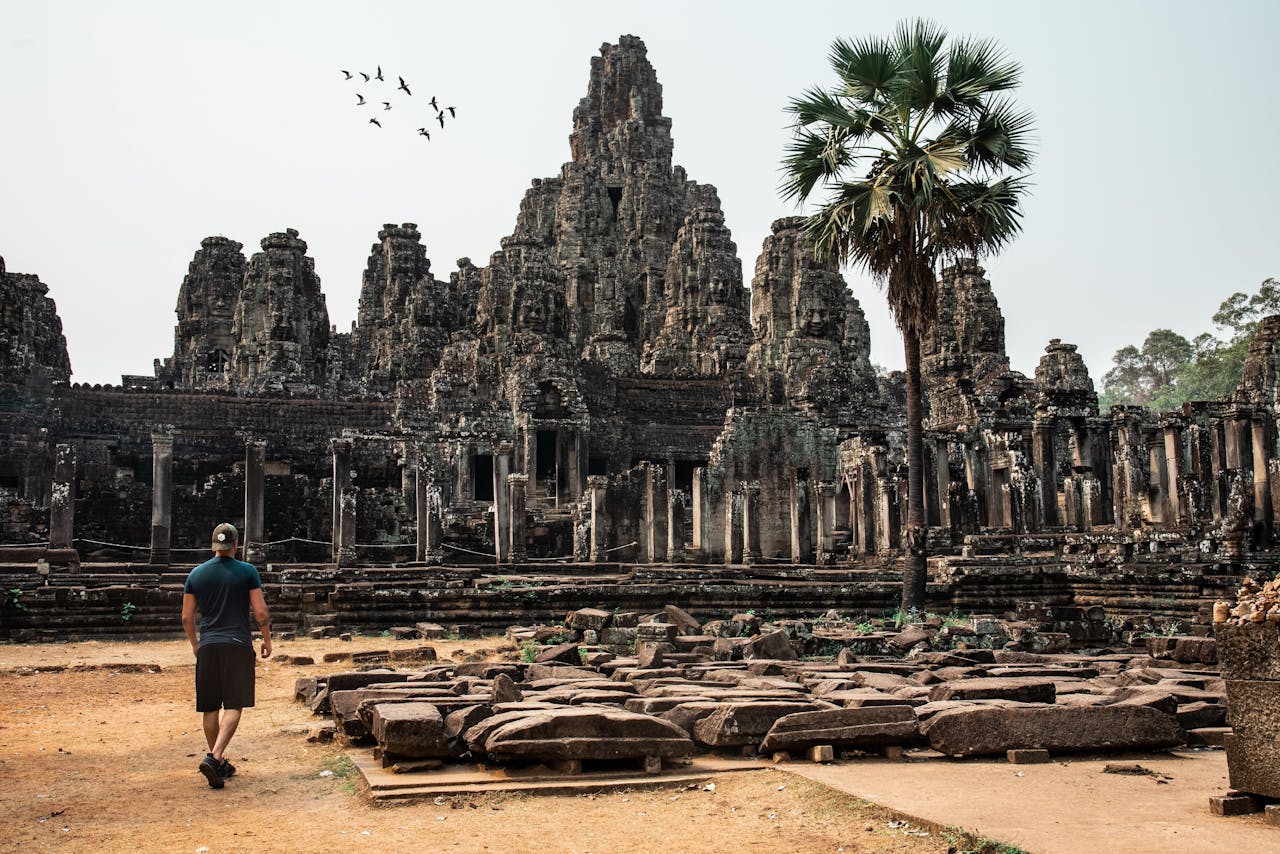
Cambodia, a beautiful and historically rich country in Southeast Asia, is gaining popularity as a travel destination. Known for its awe-inspiring ancient temples, warm-hearted people, and unique culture, it offers something for everyone—whether you’re a history buff, a nature lover, or someone seeking adventure. However, before embarking on a trip to Cambodia, there are several things you should know to ensure a smooth and enjoyable experience. This guide will cover essential information about the country’s culture, transportation, food, accommodation, safety, and more, giving you the tools to make the most of your Cambodian adventure.
- Visa and Entry Requirements
Before heading to Cambodia, ensure that you understand the country’s visa and entry requirements. Most visitors to Cambodia will need a visa, though citizens of certain countries may be eligible for visa-free entry for short stays. For most travelers, a tourist visa is required, which can either be obtained on arrival at the airport or land borders, or online through the e-visa system. The e-visa is convenient, easy to apply for, and valid for 30 days.
Make sure that your passport has at least six months of validity beyond your planned departure date from Cambodia. It’s also important to double-check visa fees, as they may vary depending on your nationality.
- Currency and Costs
The official currency of Cambodia is the Cambodian riel (KHR), but the US dollar is widely accepted throughout the country, especially in tourist areas. In fact, the US dollar is commonly used for transactions in hotels, restaurants, and shops. Although you may get riels as change, it’s safe to carry US dollars for convenience.
Cambodia is considered a relatively affordable travel destination compared to its neighboring countries like Thailand or Vietnam. Accommodations, food, and transportation can be very budget-friendly. However, the prices can vary significantly depending on where you are. In major tourist hotspots such as Siem Reap (home to Angkor Wat) or Phnom Penh, prices can be a bit higher, but you can still find affordable options if you know where to look.
- Best Time to Visit
The best time to visit Cambodia is during the dry season, which typically runs from November to February. During this time, the weather is cooler and less humid, making it more comfortable for sightseeing and outdoor activities. The rainy season lasts from May to October, and while it can bring lush green landscapes and fewer tourists, the heavy rains can disrupt travel plans, particularly in rural areas where roads may become impassable.
If you’re keen on visiting the temples of Angkor Wat or exploring Cambodia’s beaches, traveling during the dry season is ideal. Check out details on Best time to visit Cambodia by Blog Travelleratheart for more insights on choosing the perfect travel dates.
- Cultural Etiquette
Understanding Cambodia’s cultural norms is essential to ensuring you have a positive interaction with locals. Cambodia is a predominantly Buddhist country, and respect for religious and cultural traditions is paramount. Here are a few key tips on Cambodian etiquette:
- Dress modestly: When visiting temples or religious sites, it’s important to dress modestly. Both men and women should cover their shoulders and knees. Wearing loose, comfortable clothing is recommended.
- Remove shoes and hats: Always remove your shoes before entering a temple, someone’s home, or certain businesses. It’s also polite to remove your hat when inside a building, especially in religious spaces.
- Respect for elders: Cambodians have a deep respect for elders, so it’s important to show courtesy when interacting with older people. Always greet them respectfully.
- Head and feet: In Cambodia, the head is considered sacred, while the feet are seen as dirty. Avoid touching someone’s head, and never point your feet at people or religious objects.
Learning a few basic Khmer phrases, such as “Sours-dey” (hello) and “Akun” (thank you), can go a long way in building rapport with locals and showing your respect for the culture.
- Transportation and Getting Around
Getting around Cambodia can be an adventure in itself. The transportation options vary depending on where you are, and it’s important to plan your travel carefully. Here are the most common methods of transportation:
- Tuk-tuks: These open-air vehicles are a popular way to get around cities like Phnom Penh and Siem Reap. They are affordable and convenient for short distances, especially in areas with heavy traffic.
- Motorbikes and bike rentals: In Cambodia, you’ll see many locals riding motorbikes, and this is also a popular choice for tourists. You can rent a motorbike, but make sure to wear a helmet and be cautious, as traffic can be chaotic.
- Buses: Buses are an affordable option for traveling between cities, especially for longer distances. They are generally safe, but the roads in rural areas may not always be in the best condition.
- Domestic flights: Cambodia has a number of airports, and domestic flights are available between major cities, such as Phnom Penh, Siem Reap, and Sihanoukville. Flights are relatively affordable, but booking in advance is advised, particularly during peak seasons.
Additionally, Cambodia is a relatively small country, and many of the top attractions are located close to each other, making travel between them easier.
- Cambodian Food and Cuisine
Cambodian food is a delightful mix of fresh ingredients, bold flavors, and aromatic spices. When traveling to Cambodia, you’ll have the opportunity to taste unique local dishes that reflect the country’s culture and history.
Some must-try dishes include:
- Amok: A creamy, flavorful curry made with fish (or chicken), coconut milk, and spices. It’s usually served in a banana leaf bowl.
- Lok Lak: Stir-fried beef served with rice, a fried egg, and a side of dipping sauce.
- Nom Banh Chok: A traditional Cambodian noodle dish, served with a green curry-based sauce, fresh herbs, and vegetables.
- Fried insects: While not for everyone, fried insects (such as crickets, tarantulas, and grasshoppers) are popular street food in some regions and are worth trying if you’re feeling adventurous.
You’ll also find delicious fresh fruit, including tropical varieties like mangoes, papayas, and durian. Don’t forget to try sugarcane juice, a refreshing drink commonly sold by street vendors.
- Safety and Health
Cambodia is generally safe for tourists, but like any destination, it’s essential to stay aware of your surroundings. Petty theft, such as pickpocketing or bag snatching, can occasionally occur in busy areas, so take necessary precautions to safeguard your belongings.
When it comes to health, there are a few important considerations:
- Vaccinations: Check with your healthcare provider to ensure you’re up-to-date on routine vaccinations. You may also need vaccines for diseases like Hepatitis A, Hepatitis B, Typhoid, and Japanese Encephalitis, depending on your travel plans and personal health.
- Malaria and Dengue: In some rural areas, there is a risk of malaria and dengue fever, so consider taking appropriate precautions, such as using mosquito repellent and sleeping under mosquito nets at night.
- Tap water: Avoid drinking tap water in Cambodia. Bottled water is widely available and recommended.
- Tourism Highlights in Cambodia
Cambodia is home to many stunning and unique attractions that you should not miss during your visit. Some of the highlights include:
- Angkor Wat: One of the most famous historical sites in the world, this vast temple complex in Siem Reap is a UNESCO World Heritage Site and an absolute must-see.
- Phnom Penh: The capital city offers rich history, including visits to the Royal Palace and Tuol Sleng Genocide Museum. It’s a city full of cultural heritage and vibrant street life.
- Sihanoukville: Cambodia’s coastal gem, with beautiful beaches and islands that offer a more laid-back experience.
- Tonle Sap Lake: The largest freshwater lake in Southeast Asia, where you can explore floating villages and learn about local life on the water.
Conclusion
Cambodia is a destination brimming with history, culture, and natural beauty. While it is a relatively easy place to visit, being well-prepared can enhance your experience. From understanding local customs to knowing how to navigate transportation, a little research goes a long way. Whether you’re exploring ancient temples or relaxing on tropical beaches, Cambodia will leave you with unforgettable memories of its unique charm and welcoming people.