

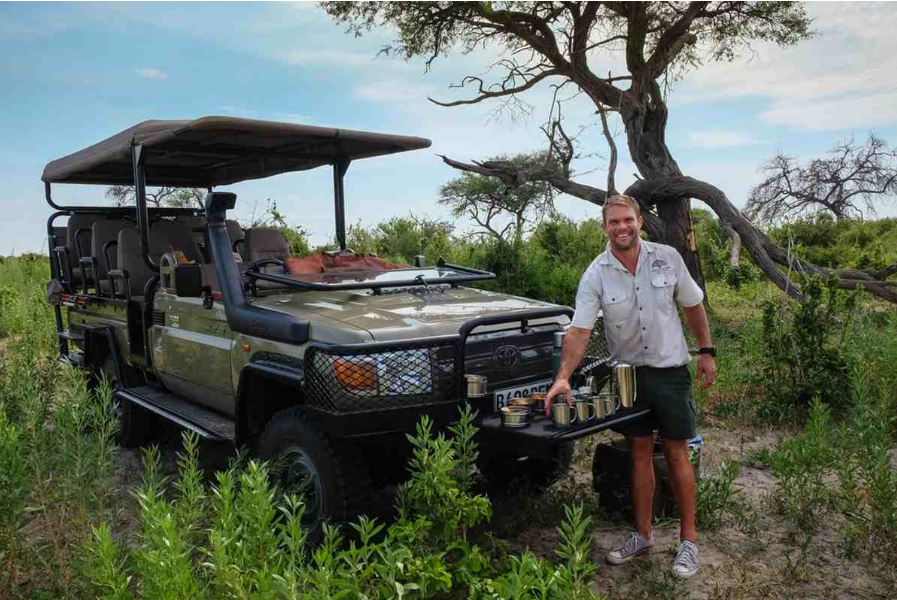
A safari in Kenya and Tanzania is a dream journey that offers close encounters with iconic wildlife, vast savannahs, and rich cultural experiences. From witnessing the Great Migration to enjoying peaceful sunsets over acacia-dotted plains, every moment feels extraordinary. Proper packing plays a major role in ensuring that your adventure remains comfortable, safe, and stress-free from start to finish.
Unlike beach or city vacations, safari travel comes with unique challenges such as early morning game drives, dusty tracks, and changing weather conditions. Preparing thoughtfully allows you to fully enjoy your Tanzania safari and Kenyan wildlife experience without unnecessary discomfort or last-minute stress.
Understanding Safari Conditions
Safari conditions in Kenya and Tanzania vary depending on the region, season, and altitude. Days are generally warm, sometimes hot, while mornings and evenings can be surprisingly cool, especially during open-vehicle game drives. Dust is common in the dry season, and occasional rain showers may occur during wetter months.
Most of your time will be spent outdoors or in safari vehicles, often for several hours at a stretch. Understanding these conditions helps you choose suitable clothing, gear, and accessories, ensuring that your Tanzania safari remains enjoyable and well-prepared for all environments.
What to Pack for African Safaris?
1. Clothing Essentials
Clothing for a safari should be lightweight, breathable, and comfortable. Neutral colors like beige, khaki, olive, and brown are recommended as they blend into the natural environment and don’t attract insects. Long-sleeved shirts and trousers provide protection from sun exposure and insect bites, while still allowing airflow.
Layering is essential due to temperature changes throughout the day. A warm fleece or light jacket is ideal for early mornings, while a wide-brimmed hat, sunglasses, and a scarf or buff help protect against sun and dust. Avoid bright colors and camouflage clothing, as these may be restricted in certain areas.
2. Footwear for Adventures
Comfortable footwear is crucial for any safari. Closed-toe walking shoes or lightweight hiking boots are ideal for game drives, short walks around camps, and optional guided nature walks. These shoes should offer good support and grip while remaining breathable.
In addition, pack a pair of sandals or flip-flops for relaxing at your lodge or camp. Make sure all shoes are well broken in before departure to prevent blisters, and bring moisture-wicking socks to keep your feet comfortable throughout the day.
3. Safari Gear and Accessories
Essential safari gear can greatly enhance your wildlife experience. A good pair of binoculars is invaluable for spotting animals at a distance and appreciating finer details. While some lodges provide shared binoculars, having your own ensures convenience and better viewing quality.
Other useful accessories include a reusable water bottle, a small backpack for daily outings, and a headlamp or flashlight for nighttime use at camps. A lightweight rain jacket or poncho is also recommended, especially if traveling during unpredictable weather conditions.
4. Health and Personal Care Items
Health preparation should not be overlooked when packing for a safari. Carry all prescription medications in their original packaging along with copies of prescriptions. A compact first-aid kit should include pain relievers, antiseptic cream, bandages, motion sickness tablets, and oral rehydration salts.
Insect repellent is essential, particularly in mosquito-prone areas, and sunscreen with a high SPF is necessary for sun protection. Hand sanitizer, wet wipes, lip balm with SPF, and personal hygiene items will help you stay comfortable and healthy during your Tanzania safari adventure.
5. Photography and Electronics
Safaris offer countless photography opportunities, so bringing the right equipment is important. A camera with a good zoom lens is ideal for wildlife photography, though smartphones with strong cameras can also capture great moments. Pack extra memory cards and spare batteries, as charging options may be limited.
Power banks, charging cables, and the correct plug adapters for Kenya and Tanzania are essential. To protect your devices, use dustproof camera bags and carry lens-cleaning cloths to deal with dust and dirt encountered on game drives. Capturing the incredible wildlife and landscapes on a Masai Mara and Serengeti Safari ensures memories that will last a lifetime.
6. Travel Documents and Money
Ensure your passport is valid for at least six months beyond your travel dates and has sufficient blank pages. Keep printed and digital copies of visas, travel insurance, flight tickets, and safari itineraries for easy access.
A combination of cash and cards is recommended. US dollars are widely accepted for tips and payments, while local currency can be useful in towns and markets. Inform your bank before traveling and use a secure money pouch to protect valuables.
7. Optional but Useful Extras
Some optional items can significantly improve comfort and convenience during your safari. A lightweight travel pillow, eye mask, and earplugs are helpful for long journeys or early mornings. A book or journal is perfect for relaxing during quiet moments at camp.
Packing cubes, a laundry bag, and biodegradable detergent can be useful for longer trips. While not essential, these extras add comfort and organization, making your Tanzania safari experience smoother and more enjoyable.
Luggage Tips for Safari Travel
When preparing for a safari, choosing the right luggage can make a huge difference in comfort and convenience. Here are some practical tips to help you pack smartly:
- Choose Soft-Sided Bags: Soft duffel bags fit more easily into safari vehicles and light aircraft.
- Pack Light: Strict luggage weight limits are common on safari flights.
- Use Packing Cubes: These keep items organized and maximize space.
- Carry a Daypack: Ideal for daily game drives and personal essentials.
- Protect Important Items: Waterproof pouches help safeguard documents and electronics.
Final Thoughts
Packing thoughtfully for a safari in Kenya and Tanzania ensures that you can focus on the experience rather than discomfort or missing essentials. By choosing practical clothing, reliable gear, and necessary documents, you set yourself up for a smooth and memorable journey.
With careful preparation and smart packing choices, your Tanzania safari and East African adventure will be both comfortable and unforgettable. Use this guide as a reference, personalize it to your needs, and get ready to enjoy the magic of Africa’s wild landscapes and wildlife.