

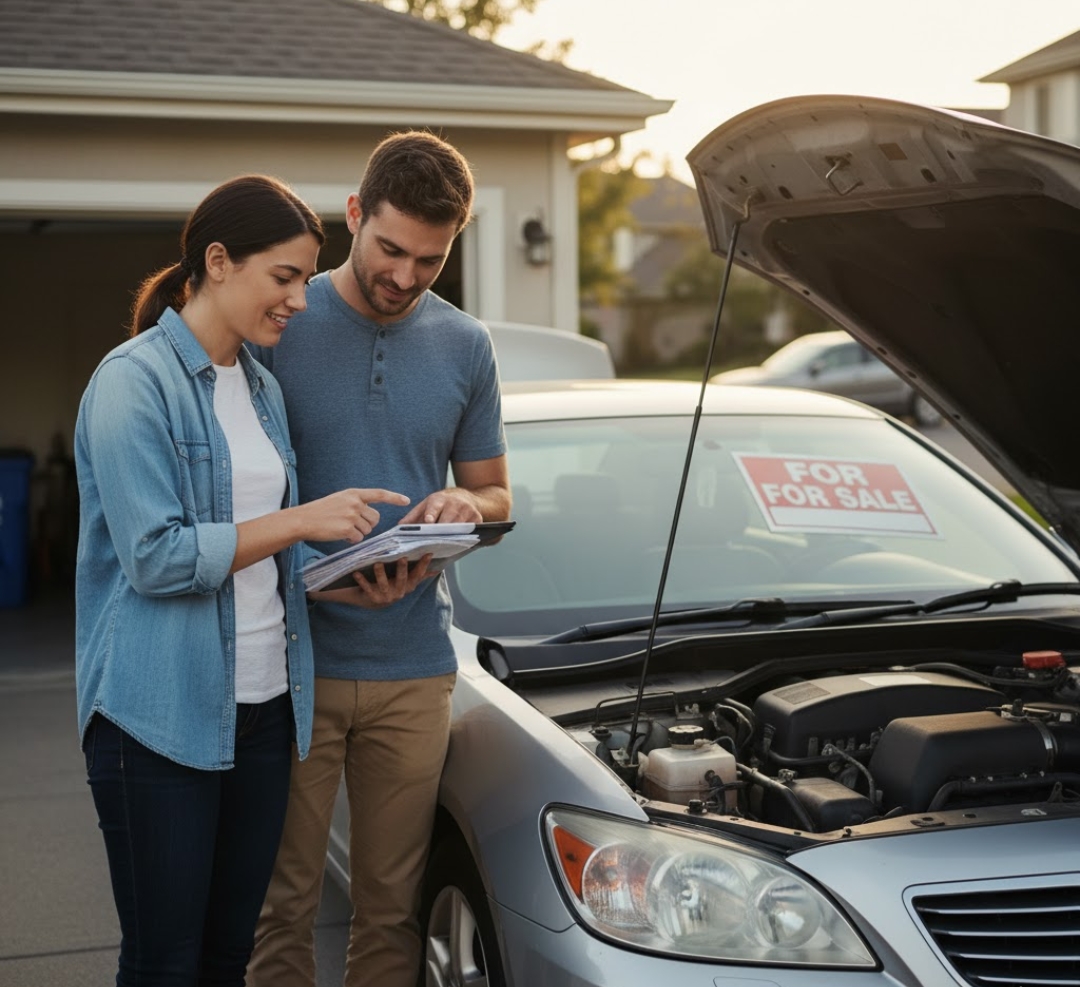
Selling a used car isn’t always as simple as putting up a listing and waiting for someone to show up. If you’re not prepared, you could end up wasting time or walking away with less than your car’s worth. A little planning can go a long way, whether you’re selling privately or through a buyer.
Before you hand over the keys, it’s worth understanding what actually helps you get a fair deal—and what could end up costing you more than it should.
Know the Real Condition of Your Car
Most buyers will take a quick look and judge the car in seconds, so the way it presents matters. Give it a clean—inside and out. Vacuum the seats, wipe down the dash, and make sure it smells fresh. A tidy car looks well cared for, even if it’s a few years old.
It’s also important to be honest with yourself about its condition. Are the tyres worn? Is there paint fading, dents, or anything that might stand out in person? These things can affect how much someone’s willing to pay. Fixing minor issues like replacing a light or topping up oil might seem small, but they can make your car look more appealing and ready to go.
Set a Fair Price (But Don’t Overdo It)
You might love your car, but buyers are looking at dozens just like it. Check the market. Look at the same model, year, and condition. Don’t just go by asking prices—see what cars are actually selling for. If your car has low kilometres, new tyres, or a solid service record, that can bump the price up a little. On the other hand, if it’s due for a timing belt or a major service, you’ll need to factor that in.
Overpricing your car can slow things down. A fair price from the start can attract more serious buyers and reduce the back-and-forth.
Get Your Paperwork Sorted
You can’t sell a car without the right documents. Make sure you’ve got the registration papers, your ID, and any finance payout info if the car isn’t fully paid off yet. A service history is a bonus and helps show the car’s been looked after.
If you’re still paying the car off, talk to your lender first so you know exactly how much is owing. Many buyers—especially professional ones—can help sort the payout directly if needed, so you’re not stuck chasing up banks or waiting weeks to finalise the sale.
Choose How You Want to Sell
You’ve got two main options—sell it yourself, or go through a buyer. Selling privately might get you a bit more money, but it usually takes longer. You’ll be answering messages, arranging viewings, and dealing with people who might not even turn up.
If your goal is to sell your car fast, using a professional car buying service can save you time and effort. These services often give on-the-spot quotes and take care of the paperwork for you. They’ll usually come to you, inspect the car, and if everything checks out, you can get paid quickly. There’s no mucking around with listings or test drives from strangers.
If you’re thinking, “I just want to sell your car today,” then this is usually the quickest and least stressful way to go.
Think About Timing
The time of year can also affect how fast you sell. Certain models—like small hatchbacks or utes—can move quickly if there’s strong demand. End-of-year periods, just before rego renewal, or when fuel prices are high can also influence what buyers are looking for.
So while the condition of your car matters most, timing can give you that extra edge.