

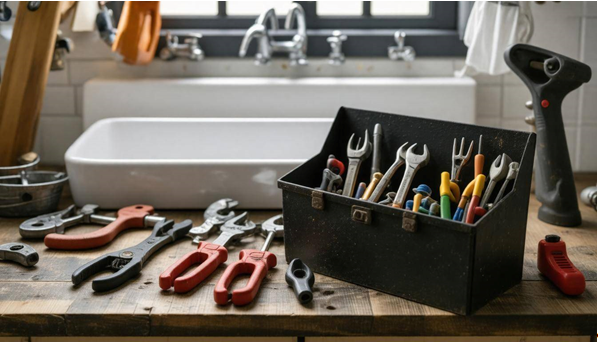
If you’ve ever found yourself staring perplexed at a dripping faucet or a stubborn clogged sink, you’re not alone. Many homeowners struggle with deciding whether to roll up their sleeves for some DIY repairs or call in the plumbing pros. The truth is, home plumbing can be tricky. While tackling small tasks might save you time and money, knowing when to seek help is just as crucial to ensure you don’t turn a simple fix into a bigger mess. This guide will help you navigate the world of plumbing repairs, offering insights on when it’s worth embracing your inner handyman and when to let the experts handle it. So grab your tools (or the phone) and let’s dive in!
You should consider DIY plumbing repairs for small, manageable issues like unclogging a sink or replacing a faucet, as these tasks often require minimal tools and expertise. However, for larger problems such as sewer line issues or significant leaks, it’s best to call the Watsonville Plumbing Pros to ensure safety and prevent further damage.
Easy DIY Plumbing Repairs
When it comes to your home’s plumbing, there are many minor repairs you can handle yourself without the need for calling in a professional. Doing so can help you develop your skills while also saving on service fees. Fixing common problems like a running toilet or tightening loose fixtures not only addresses immediate annoyances but also keeps your home functioning smoothly.
Step-by-Step Guide to Fixing Common Problems
Let’s start with one of the most frequent issues homeowners face: fixing a running toilet. A running toilet can waste a significant amount of water, leading to higher utility bills. The first step is to check the flapper, which often causes this issue if it’s worn out. If you visually inspect the flapper and notice any cracks or degradation, replacing it is easy and cost-effective. Make sure you purchase the right size – most home improvement stores carry universal flappers.
Next, adjusting the float may solve the problem. If you find that the water level is sitting too high in the tank, it will spill into the overflow tube—and that means constant refills. Adjusting the float is usually just a matter of turning a screw or sliding an arm depending on your toilet model. This small adjustment can save you gallons of wasted water.
Finally, ensure that your fill valve is shutting off properly. After making these adjustments, flush the toilet and watch closely to see if the water stops flowing as expected after filling. If not, disassemble the fill valve to inspect for debris or mineral buildup that could limit its functionality. A quick clean might do the trick; if not, you may need to replace it entirely.
Moving beyond toilets, another simple yet often overlooked task is tightening loose fixtures throughout your home.
Begin by identifying which fixtures are causing you trouble—could it be your faucet handle that’s wobbling or a showerhead that doesn’t seem secure? Once you’ve pinpointed the culprit, gather a few tools that you’ll need; typically a wrench or pliers will suffice for this kind of work. Grip those loose nuts or screws firmly and give them a good twist until they’re snug.
If you’re still encountering leaks after tightening, try applying some plumbing sealant to the threaded connections. This will create a watertight bond, providing additional security against future leaks. Remember that too much force might damage delicate fixtures, so exercise patience and care as you work.
By taking on these small projects yourself, you gain confidence in your ability to maintain your home effectively.
Once you’ve honed these basic skills, there are further challenges that might require professional intervention—understanding when to call for expert help can significantly affect your overall plumbing success.
Fixing a Dripping Faucet
When you think about it, a dripping faucet isn’t just a little inconvenience; it can be the source of a wider problem if neglected. With each drop that splashes into the sink, you’re not only wasting water, but you may also be increasing your water bill. Fortunately, fixing it is usually straightforward and doesn’t require calling in a plumber.
Steps to Fix
Begin by ensuring that your workspace is safe and tidy. The very first step is to turn off the water supply. To do this effectively, locate the shut-off valves under the sink and turn them clockwise, stopping any water flow. This small yet crucial action protects you from unexpected water sprays while you work.
Next up, we’ll move on to covering the drain. Use a sink plug or even a towel to block any small parts from tumbling into the abyss below. Trust me—this little precaution will save you time and frustration when no screw can be found because it’s gone down the drain!
Now comes what could feel like the most daunting part for some: removing the handle. Using a screwdriver, carefully unscrew the handle at the top of your faucet. If there are decorative caps covering screws, gently pry these off with a flathead screwdriver to access them. Don’t rush here! Take your time; stripping screws will only lead to happiness for neither you nor your faucet.
Once you have access, let’s inspect the components inside. Most drips stem from a worn-out washer or cartridge. Examination is key: look for any signs of wear and tear such as cracks or deformation in the rubber washer. If they seem in bad shape, replacing them will be necessary; affordable replacements can often be found at your local hardware store.
Pro Tip: Before heading to purchase new parts, bring along the old ones for comparison to ensure compatibility.
After you’ve replaced any faulty components, it’s time to reassemble the faucet. Reverse your earlier actions—screw everything back together tightly and replace any decorative caps last.
Finally, it’s time for a mini celebration! Turn on the water supply again and check if you’ve successfully put an end to that annoying drip. Stand by patiently as water fills the faucet once more; often people hastily check if they missed anything before allowing full flow, which can defeat the purpose of ensuring everything works again in one smooth motion.
Engaging in simple repairs like these not only saves money but also gives you confidence in handling minor plumbing issues around your home. You’d be surprised at how rewarding it feels to say goodbye to that persistent drip yourself!
With your newfound skills, you’re ready for more involved tasks ahead, including efficiently dealing with stubborn blockages.
Unclogging a Stubborn Drain
Dealing with a clogged drain can sometimes feel like an endless battle, especially when the usual remedies don’t do the trick. But fear not! Regular household items can be powerful allies in your quest for a free-flowing drain.
Different Methods for Unclogging Drains
Each method has its place, and understanding when to use each one can make all the difference. Let’s explore some effective strategies that you can employ right in your home.
Using a Plunger
The trusty plunger is often the first line of defense against clogs. Start by creating a good seal between the rubber cup of the plunger and the drain. This ensures that as you plunge, maximum suction is used to dislodge whatever is causing the blockage. Here’s how to do it:
- Create a Seal: Place the plunger over the drain opening firmly, ensuring it covers the entire hole.
- Plunge Rapidly: Use rapid up-and-down movements to create suction. Aim for about 15-20 quick plunges.
- Check the Drain: After plunging, remove it to see if water starts to drain. If not, repeat the process until you achieve success.
It’s fascinating how this age-old tool can bring such immediate rewards; after all that effort, hearing that gurgle as water begins to flow is incredibly satisfying.
Utilizing a Drain Snake
If plunging doesn’t solve the issue, the next step could be using a drain snake, also known as a plumbing auger. This handy device can reach deep into your pipes where many clogs reside.
- Insert the Snake: Gently feed the snake into the drain until you encounter resistance—this usually indicates a clog.
- Dislodge the Clog: Rotate the handle clockwise; this motion helps break apart or hook onto whatever is causing the blockage.
- Flush the Drain: Once you’ve freed up the clog, run plenty of hot water down the drain to help flush away any remaining debris.
It’s worth noting that using a drain snake can resolve about 80% of clogs, making it an indispensable part of your plumbing toolkit.
Keep in mind that if these straightforward methods do not seem to work, it might indicate more serious issues lurking further in your plumbing system. Regular maintenance and attention are key components in avoiding these deeper problems down the road.
Being proactive now will allow you to tackle minor inconveniences before they escalate into costly repairs later on. This mindset is crucial when identifying issues requiring immediate attention versus those that can wait for regular homeowner tasks.
Recognizing Plumbing Emergencies
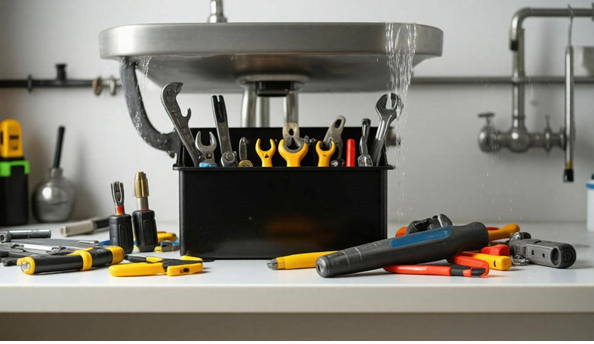
Some situations in home maintenance can wait for a more convenient time, but plumbing emergencies are not one of them. Quick action is crucial to prevent extensive damage and costly repairs. Understanding the signs of plumbing emergencies can help you determine when it’s time to call in the professionals rather than attempting a DIY fix that could worsen the situation.
Signs of Plumbing Emergencies
One of the most alarming signs is burst pipes. These often occur without warning, leading to water gushing from walls or ceilings. If you encounter this frightening scenario, immediately turn off your main water supply to minimize flooding, then reach out to Watsonville Plumbing Pros as soon as possible. It’s a race against time, as even brief exposure to floodwaters can significantly damage your walls and flooring.
Similarly, you should be wary of severe leaks. While small, manageable drips can often be fixed with basic tools and materials, a substantial leak requires immediate intervention. If water is pooling under your sink or you notice wet spots on your walls or floors, don’t ignore these warning signs. Over time, significant leaks can lead to serious structural damage and mold growth, both of which are expensive and difficult to manage.
Another critical emergency sign is sewage backup. This problem manifests when wastewater begins to back up into your home. It creates immediate discomfort and odor while posing severe health risks due to harmful bacteria and pathogens present in sewage. In such cases, the urgency cannot be overstated—call a professional right away to contain the situation.
According to the American Water Works Association, water damage claims are among the most common types of insurance claims in the U.S., making professional intervention critical in emergencies.
As tempting as it may seem to tackle repairs yourself during pressing situations, doing so can introduce additional risks and potentially worsen existing complications. Let’s now explore how DIY attempts can lead to unforeseen challenges.
Risks of DIY Plumbing
Tackling plumbing repairs yourself can seem like a cost-effective solution, but the reality is often quite different. When you step into the world of DIY plumbing, you carry with you not only tools but also potential pitfalls. Each repair requires an understanding of how systems work together, and it’s easy to misjudge what might seem like a minor fix. For instance, attempting to seal a leaking pipe without proper guidance could lead to a much worse leak if the right materials aren’t used or if it’s not applied correctly.
The following are common risks that every homeowner should consider:
- Incorrect Repairs: Misdiagnosing an issue can escalate minor problems into major disasters. That simple dripping faucet could indicate a larger underlying leak—neglecting to investigate further may worsen the damage.
- Property Damage: Without thorough knowledge and appropriate tools, it’s effortless to create situations that result in significant property loss. If water lines burst from improper handling, the resulting flooding could cause substantial harm to walls and flooring, necessitating expensive repairs.
- Personal Injury: Safety should never be overlooked during any project at home. From slippery surfaces caused by leaks to sharp tools lying around, injuries can happen quickly. Additionally, exposure to harmful substances used in many plumbing processes adds another layer of risk.
Statistically speaking, the Home Safety Council reports that about 60% of all home-related injuries stem from DIY projects gone awry. This suggests that taking on plumbing issues without adequate experience or knowledge puts both yourself and your home at high risk.
Weighing these factors against the potential savings is essential before deciding to take matters into your own hands. Understanding when it’s appropriate to call for help can spare you both money and unnecessary stress as you navigate the complexities of home plumbing issues.
Cost Comparison: DIY vs. Professional Help
Understanding the real cost of DIY versus professional help can guide homeowners toward making informed choices. It is crucial to consider not only the immediate financial implications but also the potential long-term consequences of each approach.
| Task | DIY Cost (Approx) | Professional Cost (Approx) |
| Fixing a Dripping Faucet | $15 (parts) | $75-$150 |
| Unclogging a Drain | $20 (tools) | $100-$200 |
| Fixing a Running Toilet | $20 (parts) | $75-$150 |
| Burst Pipe Repair | N/A | $500-$2000 |
At first glance, it may appear that tackling a simple task like fixing a dripping faucet is a no-brainer; with just a few inexpensive parts, you can save quite a bit compared to hiring a professional. However, this perspective changes when we consider the time spent learning how to fix issues correctly and the risk of unintended damage due to improper techniques. Just imagine if that slight drip turned into a more significant issue because of a careless mistake!
The costs for minor repairs give an illusion that DIY is the better route, yet emergency services or more complex tasks often present challenges where the price of calling in an expert far outweighs any initial savings from doing it yourself. Tasks like burst pipes are perfect examples—while the DIY cost is not applicable since they generally require immediate professional intervention, avoiding costly damages can save homeowners thousands in potential home repairs.
While DIY seems cheaper for minor repairs, emergency services and complex tasks are more cost-effective when handled by professionals.
This leads us to recognize that while saving money is important, some scenarios require understanding our limitations and knowing when it’s best to hire help. This isn’t about admitting defeat; it’s about being smart with your resources. You might genuinely enjoy working on small projects around your home and saving money along the way, but weighing all these factors helps in making balanced decisions that benefit both your pocketbook and your peace of mind.
With this insight into the cost dynamics at play, it’s essential to further explore how homeowners can navigate their choices effectively moving forward.
Making Informed Decisions for Your Home
Homeownership comes with a suite of responsibilities, and plumbing issues can often feel daunting. To make informed decisions, assess your specific situation. Begin by evaluating the complexity of the issue; not all problems require a professional touch. For instance, if you notice a leaky faucet, you might feel comfortable tackling that yourself. However, persistent clogs or low water pressure may warrant expert help.
In addition to assessing complexity, gauging your comfort level with hands-on tasks is crucial. Many homeowners find DIY repairs rewarding but can quickly realize that a lack of experience leads to more significant problems. Those who’ve dealt with plumbing issues before often have a reliable toolkit and knowledge to back them up. If you’re new to home repairs, consider starting small to build confidence without risking extensive damage.
Regardless of your skills or experience, knowing what tools and resources are available can empower you during these decisions.
Keep in mind the following considerations:
- Time Commitment: Sometimes, your schedule doesn’t allow for lengthy repairs. Factor in whether you can dedicate time to a task before diving in.
- Cost Assessment: Calculate not just the cost of materials for DIY but also consider possible hidden expenses, including potential emergency fixes if things go awry.
- Safety Concerns: Certain repairs can pose health risks, especially if they involve gas lines or hazardous materials. It’s perfectly acceptable to call a professional if safety is at stake.
When in doubt, reach out to Watsonville Plumbing Pros for a consultation; their expertise can streamline the process and alleviate any uncertainty about your plumbing needs. The right advice ensures efficiency and peace of mind as you tackle any plumbing challenges in your home.
Ultimately, being proactive and informed empowers homeowners to manage plumbing issues effectively while recognizing when it’s best to seek professional assistance. Your home deserves nothing less than the best care.