

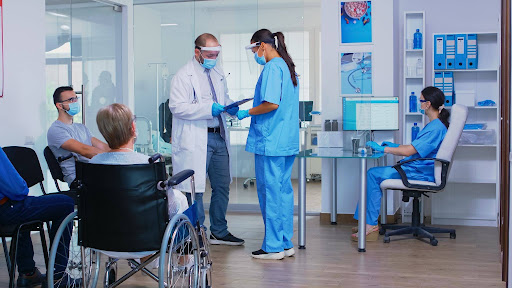
Health problems do not always happen at the right time. You may wake up with a sore throat. Your child may get a fever after office hours. You may twist your ankle and need help fast. An urgent care center can be a good choice when the issue needs quick attention but is not a life threatening emergency.It gives you a way to get medical care without waiting days for a regular appointment. It can also help you avoid the emergency room when the problem is not severe enough for that level of care. Knowing when to go can save time and reduce stress when something feels wrong.
What Is Urgent Care and How Does It Work
Urgent care is made for health problems that need attention soon but are not serious enough for the emergency room. These centers usually treat common illnesses and minor injuries. Many are open in the evening and on weekends which makes them helpful when your regular doctor is not available.A visit is usually simple. You check in. A medical provider asks about your symptoms. They may examine you and suggest treatment. Some centers can do basic tests right there. This may include flu tests. Strep tests. X-rays. Blood work. Or urine tests.An urgent care center is often helpful when you feel too sick to wait but not sick enough to call emergency services. It fills the gap between a regular clinic and a hospital emergency department.
When Should You Visit Urgent Care
You should think about urgent care when your health issue feels uncomfortable or worrying but not dangerous. For example you may have a fever that is not improving. You may have a painful cough. You may have a small cut that may need stitches. You may have a rash that is spreading.Urgent care can also help with sprains. Mild burns. Ear pain. Sinus pressure. Pink eye. Minor infections. Vomiting. Diarrhea. Or pain during urination. These are the kinds of problems that can disrupt your day and need quick care.A good rule is this. If you need help soon but you can still breathe normally and stay alert then urgent care may be the right place. If the problem feels severe or life threatening then choose the emergency room instead.
Common Health Problems Treated at Urgent Care
Most urgent care clinics handle many everyday health concerns. If you have a sore throat that is getting worse then they can check for strep or another infection. If you have flu-like symptoms then they may test you and guide you on what to do next.They also treat small injuries. A twisted ankle. A minor sports injury. A shallow cut. A small burn. Or back pain from a simple strain may all be handled there. Some locations can take X-rays to check for a fracture.Many people also visit for infections. This may include urinary tract infections. Ear infections. Skin infections. Or sinus infections. These problems can become painful fast. Getting care early can help you feel better and avoid bigger issues.Some urgent care clinics also offer physical exams. Travel health services. Vaccines. Lab testing. And basic wellness checks. Services can vary by location so it is always smart to check before you go.
Urgent Care vs Emergency Room
It can be hard to know whether to visit urgent care or the emergency room. The main difference is the level of danger. Urgent care is for problems that need quick help but are not life threatening. The emergency room is for serious symptoms that may need advanced care right away.Go to the emergency room for chest pain. Trouble breathing. Signs of stroke. Heavy bleeding. Severe head injury. Deep wounds. Severe burns. Sudden weakness. Severe allergic reaction. Or intense stomach pain. These symptoms need hospital level care.
Go to urgent care for problems like fever. Sore throat. Ear pain. Minor cuts. Mild asthma symptoms. Sprains. Rashes. Or possible infections. These problems still matter. They just may not need the full resources of an emergency room.Choosing the right place can make the visit smoother. It may also help you avoid a long ER wait when your condition can be treated safely at urgent care.
Can You Get STI Testing at Urgent Care
Yes. Many urgent care clinics offer STI testing. This can be helpful when you want answers quickly and do not want to wait for a primary care appointment. Some people choose sti testing at urgent care because it feels private and convenient.Testing may include a urine sample. Blood test. Swab test. Or a physical exam based on your symptoms and exposure history. The provider may ask questions that feel personal. This is normal. They ask so they can choose the right tests and treatment.
You may want testing if you have burning during urination. Unusual discharge. Sores. Pelvic pain. Testicular pain. Or if a partner told you they tested positive. You can also get tested even if you have no symptoms. Some infections do not show clear signs at first.If treatment is needed then the urgent care provider may prescribe medicine or explain the next steps. When getting sti testing at urgent care it is also a good idea to ask when results will be ready and whether follow up care is needed.
What to Expect During Your Visit
Your visit usually starts with check in. You may need to show an ID and insurance card if you have one. Some clinics also accept self-pay patients. The staff may ask about your symptoms and how long they have been going on.Try to explain your symptoms clearly. Share when they started. Tell the provider what makes them better or worse. Mention any medicine you already took. Also tell them about allergies and health conditions.
The provider may examine you and order a test if needed. After that they will explain what they think is going on. They may give medicine. Recommend rest. Suggest home care. Or tell you to see another doctor for follow up.Most visits are direct and practical. You go in with a problem and leave with a better idea of what to do next.
How to Choose the Right Urgent Care Near You
Not every urgent care clinic offers the same services. Before going it helps to check the basics. Look at the hours. See if they accept walk-ins. Check if they take your insurance. Find out whether they offer the type of test or treatment you need.Location matters too. When you feel sick or hurt you do not want a long drive. A nearby clinic with good hours can make the process easier. Reviews can also help you understand how patients feel about wait times and staff behavior.It is also useful to see if the clinic has lab testing or X-ray services. This can save you from being sent somewhere else. If you are unsure then a quick call can help you decide if that location is right for your concern.
Final Thoughts
An urgent care center can be a helpful option when you need medical care soon but do not need the emergency room. It is useful for common illnesses. Minor injuries. Basic tests. Infections. And other everyday health concerns.The key is knowing when it fits your situation. If your symptoms feel serious or life threatening then go to the emergency room. If the problem is uncomfortable and needs quick attention then urgent care may be the better choice.Getting care at the right time can help you feel more confident and avoid unnecessary delays. When your health feels off it is always better to take it seriously and choose the care setting that matches your needs.