

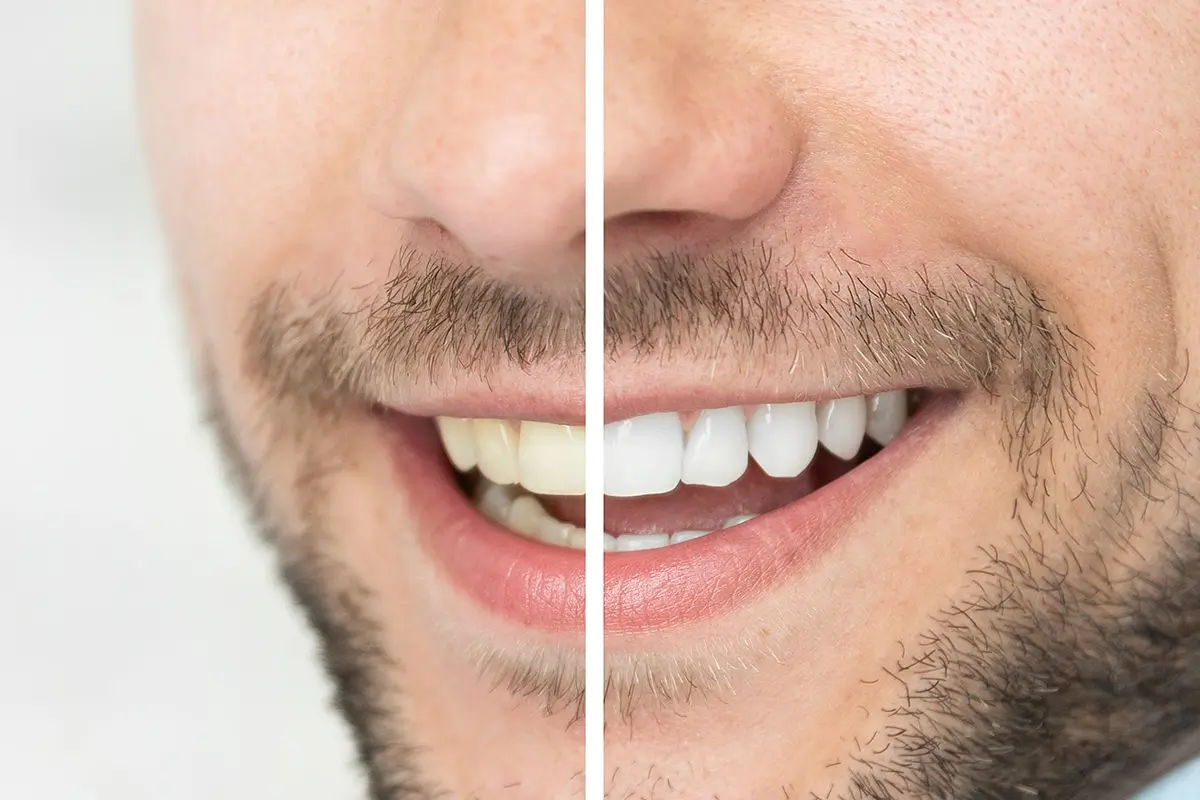
Teeth whitening is a popular way to boost confidence by achieving a brighter smile. Many people unknowingly make mistakes that could lead to tooth sensitivity or unsatisfactory results. If you’re considering whitening your teeth, understanding the best practices and common pitfalls can help you achieve your goals safely and effectively.
Understanding Over-the-Counter Whitening Risks
Using over-the-counter (OTC) whitening products is an affordable and accessible option, but improper use can lead to issues. Many OTC whitening kits contain bleaching agents like hydrogen peroxide, which may cause sensitivity if used excessively.
To avoid discomfort, follow the instructions provided with the product carefully. Exceeding the recommended application frequency or time can irritate your gums and enamel. If you have questions, consult a dental professional before trying OTC products.
Skip the DIY Whitening Trends
DIY teeth whitening trends often appear on the internet, promising impressive results with common household items. Some people try baking soda, lemon juice, or even hydrogen peroxide to whiten their teeth. While these methods are popular, they are not always safe.
Natural ingredients like lemon juice are highly acidic and can wear down enamel over time. Enamel erosion increases the risk of sensitivity and damage, making your teeth more vulnerable to decay. Avoid DIY methods and opt for trusted whitening solutions instead.
Key Tips for Safe Whitening
If you’re looking for practical steps to whiten your teeth safely, follow these expert-backed tips to protect your enamel and maintain oral health:
- Seek Professional Guidance: Dentists can recommend safe whitening options tailored to your unique dental health needs.
- Maintain Good Oral Hygiene: Brush and floss regularly to reduce surface stains before using whitening products.
- Start With a Dental Check-Up: Make sure your teeth and gums are healthy to minimize risks during whitening treatments.
- Avoid Abrasive Products: Whitening products with abrasive ingredients could damage enamel when overused.
- Be Gentle: Sensitivity may occur with whitening; choose products labeled for sensitive teeth if needed.
- Limit Staining Foods and Drinks: After whitening, reduce consumption of coffee, tea, red wine, and dark berries to help maintain your results longer.
By following these tips, you can safely enhance your smile without compromising oral health.
Post-Whitening Care
After teeth whitening, maintaining results is key for lasting brightness. Certain foods, beverages, and habits may stain your teeth, reducing the longevity of your whitening efforts. Being mindful of these factors helps you preserve your radiant smile.
Limit coffee, red wine, and dark-colored foods, which are notorious for staining enamel. If you enjoy these, consider using a straw to limit contact with your teeth. Avoid smoking or using tobacco products, as they contribute to discoloration over time. Regular dental cleanings and check-ups also play a vital role in maintaining your smile. Professional cleanings remove surface stains and plaque, allowing your teeth to stay bright and healthy.
Adding Teeth Whitening to Your Daily Schedule
Teeth whitening can be a confidence-boosting process when done correctly. By avoiding DIY methods, following product instructions, and prioritizing your oral health, you can achieve safe and effective results. Consulting a dental professional is the best way to determine which whitening method is ideal for your needs.