

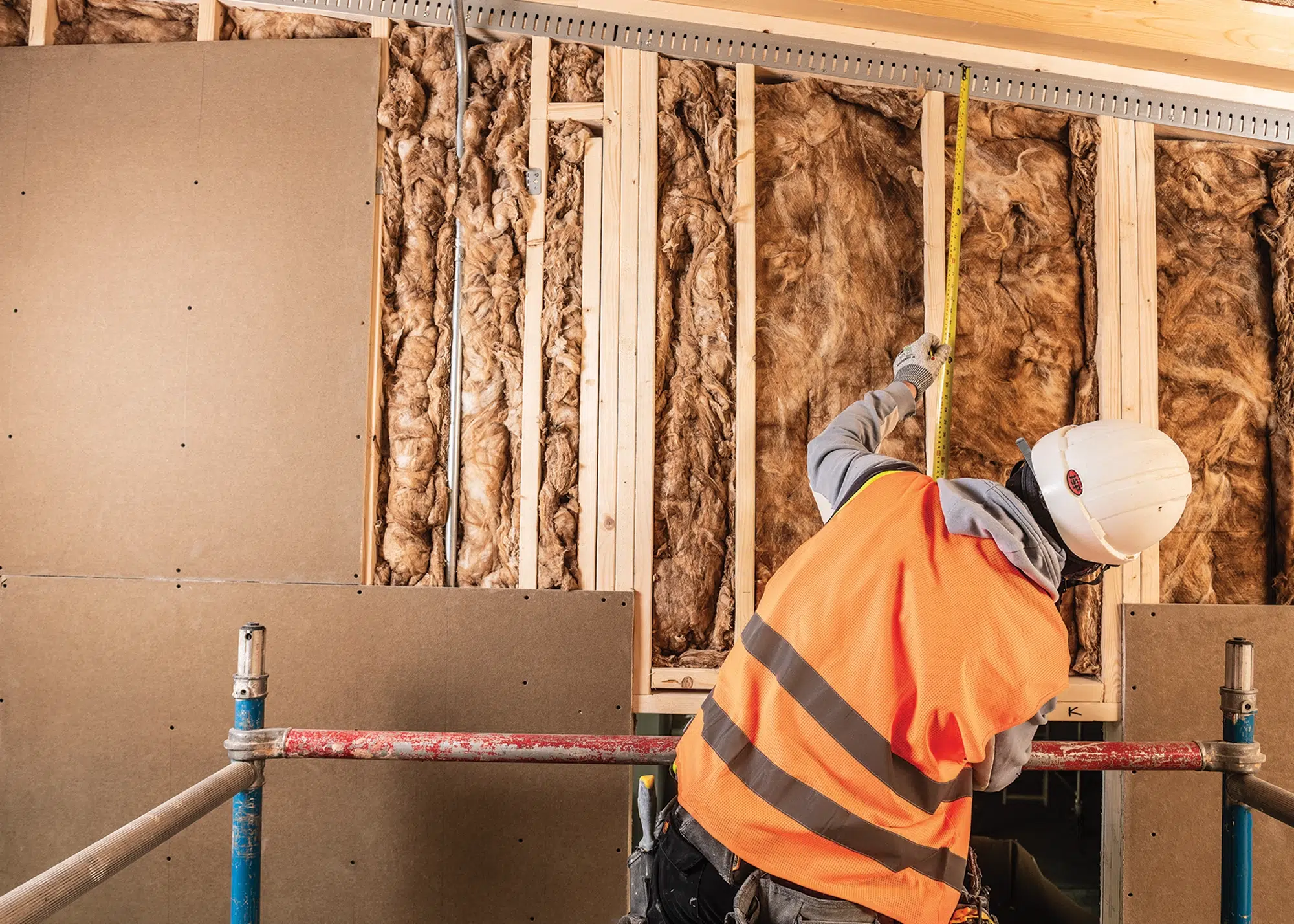
Many homeowners look for ways to improve comfort, lower energy bills, and increase property value. However, they often focus on small upgrades and overlook bigger improvements that can make a lasting difference. One option that is becoming more popular is a home retrofit.
A home retrofit involves updating an existing house with modern features that improve energy efficiency, safety, and comfort. Instead of moving to a new property, homeowners can improve the house they already own. As a result, they enjoy better living conditions while also saving money over time.
Today, more people are choosing a home retrofit because it offers practical benefits without the cost of building a new home. Whether your house is old or simply needs improvements, retrofitting can be a smart investment.
What Is a Home Retrofit?
A home retrofit is the process of upgrading parts of an existing house. These upgrades are designed to improve performance and efficiency. In many cases, homeowners focus on reducing energy waste and making their homes more comfortable.
Common retrofit projects include:
- Adding insulation
- Replacing old windows
- Upgrading heating and cooling systems
- Installing energy-efficient lighting
- Improving ventilation
- Sealing air leaks
Because older homes were often built with outdated materials and methods, they can waste a significant amount of energy. Therefore, retrofitting helps bring them up to modern standards.
Lower Energy Bills Throughout the Year
One of the biggest reasons homeowners invest in retrofits is energy savings. Older houses often lose heat during winter and allow too much heat inside during summer. As a result, heating and cooling systems work harder than necessary.
When you improve insulation and seal gaps around doors and windows, your home becomes more efficient. Consequently, less energy is required to maintain a comfortable indoor temperature.
Many homeowners notice:
- Reduced heating costs
- Lower cooling expenses
- Less energy waste
- Better indoor temperature control
Although the initial investment may seem large, the long-term savings can be substantial.
Improved Comfort for the Whole Family
Comfort is another major benefit. Drafty rooms, uneven temperatures, and poor airflow can make daily life frustrating. Fortunately, a retrofit can solve many of these problems.
For example, better insulation helps keep rooms warmer during winter. Likewise, improved ventilation can reduce stuffiness and create healthier indoor air.
After a home retrofit, homeowners often experience:
- More consistent temperatures
- Fewer cold spots
- Better airflow
- Reduced outdoor noise
As a result, the entire home feels more pleasant throughout the year.
Increased Property Value
Home improvements often add value to a property. However, energy-efficient upgrades can be especially attractive to buyers.
Many people now look for homes with lower operating costs. Therefore, houses with updated systems and improved efficiency often stand out in the market.
Potential buyers appreciate features such as:
- Energy-efficient windows
- Modern heating systems
- Updated insulation
- Smart home technology
Because of these improvements, a well-planned retrofit can make a property more appealing when it is time to sell.
Better Protection Against Rising Energy Costs
Energy prices continue to change over time. Consequently, homeowners are looking for ways to reduce their dependence on high energy consumption.
A retrofit helps by lowering the amount of energy needed to run the home. Therefore, future increases in utility costs may have less impact on household budgets.
This benefit becomes even more important for families who plan to stay in their homes for many years. In the long run, improved efficiency can provide financial stability and peace of mind.
Environmental Benefits
Many homeowners want to reduce their impact on the environment. Fortunately, retrofitting can help achieve this goal.
When a home uses less energy, it produces fewer carbon emissions. As a result, the property becomes more environmentally friendly.
Some eco-friendly retrofit improvements include:
- Solar panels
- Energy-efficient appliances
- LED lighting
- Improved insulation
- Water-saving fixtures
Although each upgrade may seem small, together they can make a meaningful difference.
Common Areas to Upgrade During a Retrofit
Not every project needs to be completed at once. In fact, many homeowners choose to improve their homes step by step.
The most common upgrade areas include:
Insulation
Good insulation helps maintain indoor temperatures. Therefore, heating and cooling systems do not need to work as hard.
Windows and Doors
Old windows and doors can allow air to escape. Replacing them can improve efficiency and comfort.
Heating and Cooling Systems
Modern systems use less energy while delivering better performance. As a result, homeowners often enjoy lower utility bills.
Lighting
LED lights consume less electricity and last much longer than traditional bulbs.
Ventilation
Proper ventilation improves indoor air quality. Furthermore, it helps reduce moisture problems and mold growth.
How to Plan a Successful Retrofit
A successful retrofit starts with proper planning. Before beginning any work, it is important to understand which areas need improvement.
Here are a few helpful steps:
- Assess your home’s current condition
- Identify energy-wasting areas
- Set a realistic budget
- Prioritize the most important upgrades
- Work with qualified professionals
Additionally, homeowners should focus on upgrades that provide the greatest long-term value. This approach helps maximize both comfort and savings.
Is a Home Retrofit Worth the Investment?
For many homeowners, the answer is yes. While the upfront cost may vary, the long-term benefits are often significant.
A home retrofit can lower energy bills, improve comfort, increase property value, and reduce environmental impact. Furthermore, it can help homeowners avoid many of the problems associated with aging houses.
Instead of dealing with rising maintenance costs year after year, many people find that retrofitting offers a practical solution. Consequently, they enjoy a more efficient and enjoyable living space.
Final Thoughts
Every home eventually needs improvements. However, some upgrades provide more value than others. A carefully planned home retrofit can transform an older house into a modern, comfortable, and energy-efficient home.
Whether your goal is to save money, increase comfort, or prepare your property for the future, a home retrofit offers many advantages. Moreover, it allows homeowners to make meaningful improvements without the expense of moving.
As energy costs continue to rise and sustainability becomes more important, investing in a home retrofit is a decision that can deliver benefits for years to come. Therefore, now may be the perfect time to explore the opportunities that a home retrofit can provide for your home and family.