

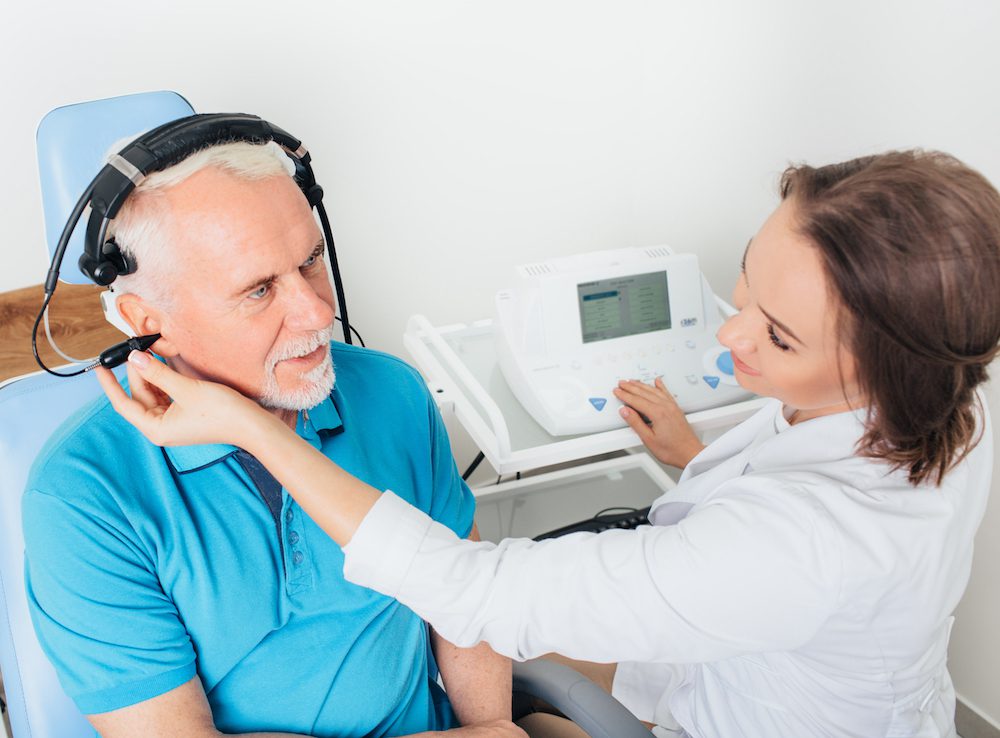
Most people schedule regular eye exams and dental checkups without question, yet hearing tests often get overlooked. This oversight can have serious consequences for your health, relationships, and quality of life. Annual hearing assessments aren’t just recommended for older adults or those with obvious hearing problems—they’re essential preventive care that benefits everyone.
Hearing loss affects over 48 million Americans, making it one of the most common health conditions in the country. Yet many people wait years before addressing hearing changes, missing critical opportunities for early intervention. Understanding why annual hearing tests matter can help you protect one of your most valuable senses and maintain your overall well-being.
This comprehensive guide explores the compelling reasons why annual hearing tests deserve a place on your healthcare calendar. You’ll discover how these simple assessments can detect problems early, prevent complications, and significantly improve your long-term hearing health outcomes.
The Hidden Nature of Hearing Loss
Hearing loss rarely announces itself with dramatic symptoms. Instead, it typically develops gradually, allowing your brain to adapt to reduced sound input over months or years. This adaptation process masks the severity of hearing changes until they become significant enough to impact daily activities.
Gradual Changes Go Unnoticed
Your auditory system processes thousands of sounds daily, and subtle changes in hearing ability often go undetected. You might unconsciously turn up the television volume, ask people to repeat themselves more frequently, or avoid noisy restaurants without realizing these behaviors indicate hearing changes.
Annual hearing tests establish baseline measurements that reveal small changes before they become noticeable problems. Professional audiologists use calibrated equipment to detect hearing shifts as small as 5 decibels—changes you wouldn’t notice in daily life but that indicate developing issues.
Family Members Notice First
Often, family members and friends recognize hearing changes before the affected person does. They notice increased television volume, frequent requests for repetition, or missed conversations. However, by the time others notice these changes, hearing loss has typically progressed significantly.
Regular hearing tests catch these changes in their earliest stages, when intervention options are most effective. Early detection allows for lifestyle modifications, hearing protection strategies, or hearing aid fitting before communication difficulties develop.
Professional Detection Versus Self-Assessment
Online hearing tests and smartphone apps cannot replace professional evaluations. While these tools might identify severe hearing loss, they miss subtle changes that indicate developing problems. Professional audiologists use soundproof booths, calibrated equipment, and comprehensive testing protocols that reveal the complete picture of your hearing health.
Annual professional assessments include pure tone testing, speech recognition evaluations, and middle ear function tests. This comprehensive approach identifies specific types of hearing loss and their underlying causes, enabling targeted treatment strategies.
Early Detection Prevents Complications
Untreated hearing loss creates a cascade of physical, cognitive, and social complications that worsen over time. Annual hearing tests enable early intervention that prevents or minimizes these secondary effects.
Cognitive Health Connection
Research consistently demonstrates strong links between untreated hearing loss and cognitive decline. The brain regions responsible for hearing and thinking share important connections, and hearing loss can accelerate cognitive aging processes.
Studies show that mild hearing loss doubles the risk of cognitive decline, while moderate loss triples the risk. Severe hearing loss increases cognitive decline risk by five times. However, early intervention with hearing aids or other treatments can significantly reduce these risks.
Annual hearing tests identify changes when they’re still mild, allowing for interventions that protect cognitive function. This early action can help maintain mental sharpness and reduce dementia risk as you age.
Social and Emotional Impact
Hearing loss gradually isolates people from social interactions, leading to depression, anxiety, and reduced quality of life. These effects often develop slowly, making them difficult to recognize until they become severe.
People with untreated hearing loss frequently withdraw from social situations, avoid restaurants or group gatherings, and experience increased stress during conversations. These behavioral changes can strain relationships and reduce overall life satisfaction.
Regular hearing assessments help identify communication difficulties in their early stages, when counseling, hearing aids, or other interventions can maintain social connections and emotional well-being. Early treatment prevents the social isolation that often accompanies progressive hearing loss.
Physical Safety Concerns
Hearing loss affects your ability to detect important environmental sounds like approaching vehicles, smoke alarms, or emergency sirens. These safety implications become more serious as hearing loss progresses.
Annual hearing tests can identify changes that might affect safety before dangerous situations develop. This early awareness allows for safety modifications, hearing aid consideration, or other protective measures that maintain independence and security.
Tracking Changes Over Time
Single hearing tests provide snapshots of current hearing ability, but annual assessments create valuable trends that reveal important patterns about your hearing health.
Establishing Personal Baselines
Everyone’s hearing is unique, influenced by genetics, medical history, noise exposure, and lifestyle factors. Annual testing establishes your personal hearing baseline, making it easier to identify meaningful changes in subsequent years.
Your baseline helps audiologists distinguish between normal age-related changes and potentially treatable hearing loss. This personalized approach ensures appropriate interventions and prevents unnecessary worry about normal variations.
Identifying Progression Patterns
Some types of hearing loss progress predictably, while others fluctuate or develop suddenly. Annual testing reveals these patterns, helping audiologists predict future changes and plan appropriate interventions.
For example, noise-induced hearing loss typically affects high frequencies first, while age-related hearing loss often begins in the ultra-high frequencies before affecting speech understanding. Recognizing these patterns early enables targeted protection strategies and treatment planning.
Monitoring Treatment Effectiveness
If you develop hearing loss requiring treatment, annual tests monitor how well interventions are working. This ongoing assessment ensures hearing aids remain properly programmed, medical treatments are effective, and lifestyle modifications are sufficient.
Regular monitoring also identifies when treatments need adjustment or when additional interventions become necessary. This proactive approach maintains optimal hearing health throughout the treatment process.
Workplace and Legal Considerations
Many professions require good hearing for safety and effectiveness. Annual hearing tests can protect your career and meet legal requirements in various industries.
Occupational Hearing Requirements
Healthcare workers, teachers, public safety officers, and many other professionals depend on good hearing for job performance. Annual hearing tests can identify changes that might affect work performance before they become problematic.
Some employers require regular hearing assessments for workers exposed to occupational noise. These programs, mandated by OSHA regulations, help prevent work-related hearing loss and ensure early intervention when problems develop.
Legal and Insurance Benefits
Documented hearing loss can qualify you for various legal protections and insurance benefits. The Americans with Disabilities Act requires employers to provide reasonable accommodations for workers with hearing loss, but you need documentation to access these protections.
Annual hearing tests create the medical documentation necessary for workplace accommodations, insurance claims, or legal proceedings. This documentation can be invaluable if you need to prove hearing loss developed over time or resulted from specific exposures.
Noise Exposure Documentation
If you work in noisy environments or pursue loud hobbies, annual hearing tests document your hearing health over time. This documentation can be crucial for workers’ compensation claims or legal actions related to noise-induced hearing loss.
Regular testing also helps establish whether hearing loss resulted from occupational exposure, recreational activities, or other causes. This information affects treatment approaches and legal considerations.
Technology and Treatment Advances
Hearing healthcare technology advances rapidly, with new treatment options and devices becoming available regularly. Annual hearing tests ensure you have access to the latest innovations that could benefit your hearing health.
Hearing Aid Technology Evolution
Modern hearing aids offer sophisticated features like directional microphones, noise reduction algorithms, and smartphone connectivity. These devices are dramatically more effective than older models, providing better sound quality and communication ability.
Annual hearing tests help determine when hearing aid technology might benefit you, even if you don’t think you need amplification. Many people are surprised by how much modern hearing aids can improve their quality of life, especially when fitted early in the hearing loss process.
Medical Treatment Options
New medical treatments for hearing loss continue to emerge, from improved surgical techniques to experimental drug therapies. Annual hearing tests help identify candidates for these treatments and monitor their effectiveness.
Some types of hearing loss respond well to medical intervention, particularly when identified early. Regular assessment ensures you don’t miss opportunities for treatments that could restore or preserve your hearing.
Assistive Technology Integration
Beyond hearing aids, numerous assistive technologies can improve communication and safety for people with hearing loss. Annual hearing tests help identify when these technologies might be beneficial and ensure they’re properly integrated into your daily life.
Age-Related Considerations
Hearing health needs change throughout life, making annual assessments valuable at every age, not just for older adults.
Childhood and Development
Children’s hearing directly affects speech development, academic performance, and social skills. Annual hearing tests during childhood ensure proper development and identify problems that could affect learning.
Even mild hearing loss in children can impact classroom performance and social interactions. Regular testing catches these issues early, when intervention is most effective for supporting normal development.
Adult Working Years
Adults face numerous hearing challenges from occupational noise, recreational activities, and medical conditions. Annual hearing tests during the working years help maintain career performance and prevent progressive hearing loss.
This period of life often involves the highest noise exposures, making regular monitoring particularly important for preventing long-term damage.
Senior Health Management
Older adults face increased risks for hearing loss from age-related changes, medications, and accumulated noise exposure. Annual hearing tests help manage these risks and maintain independence and quality of life.
Early intervention in older adults can prevent many of the cognitive, social, and emotional complications associated with untreated hearing loss. Regular testing ensures timely access to effective treatments.
Making Annual Hearing Tests a Priority
Understanding the importance of annual hearing tests is the first step toward protecting your hearing health. Taking action to schedule and maintain regular assessments ensures you receive the full benefits of this preventive care.
Scheduling and Preparation
Most hearing tests require no special preparation and take about an hour to complete. The process is comfortable and non-invasive, involving listening to tones and repeating words in a quiet environment.
Contact a local audiology practice or hearing healthcare provider to schedule your annual assessment. Many providers offer convenient scheduling options and accept various insurance plans.
Insurance Coverage
Most health insurance plans cover diagnostic hearing tests, especially when recommended by a physician. Medicare and many private insurers recognize the importance of hearing healthcare and provide coverage for regular assessments.
Check with your insurance provider about hearing test coverage and any requirements for referrals or pre-authorization. Many employers also offer hearing healthcare benefits as part of their wellness programs.
Creating Hearing Health Habits
Incorporate annual hearing tests into your regular healthcare routine alongside other preventive services. Mark your calendar, set reminders, and treat hearing assessments as essential preventive care.
Consider combining hearing tests with other annual health appointments to make the process more convenient. Many people schedule hearing tests around their birthdays or at the beginning of each year.
Protecting Your Most Valuable Sense
Annual hearing tests represent one of the most important investments you can make in your long-term health and quality of life. These simple assessments provide early warning of hearing changes, enable timely interventions, and help maintain the connections that make life meaningful.
Your hearing connects you to family conversations, workplace communication, entertainment, and environmental awareness. Protecting this precious sense through regular professional assessment ensures you continue enjoying these connections throughout your life.
Don’t wait for obvious hearing problems to develop before seeking professional care. Schedule your annual hearing test today and take the first step toward a lifetime of better hearing health. Your future self will thank you for.