

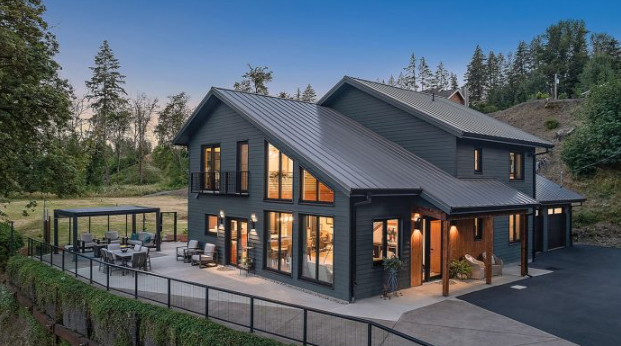
Let’s be honest—building a home these days isn’t just about picking out a pretty kitchen backsplash or arguing over carpet vs hardwood. It’s about building something that lasts, makes sense financially, and doesn’t wreck the planet while we’re at it. That’s where passive houses—and the skilled passive house builders who bring them to life—come in. You might’ve heard the term tossed around a bit—maybe on a podcast or from your one super eco-friendly friend who composts everything—but what is a passive house really, and why are so many people (including builders) saying it’s the smart way to build a home?
Let’s break it down.
A Quick History Lesson (Don’t Worry—It’s Short)
The concept of the passive house (or “Passivhaus” if you wanna get fancy) was actually born in Germany in the early 90s. Engineers Wolfgang Feist and Bo Adamson basically said, “Hey, what if we design a house that barely needs heating or cooling, but still feels super comfy inside?” Boom. The passive house standard was created.
Since then, it’s spread across the globe—from Europe to North America—and is becoming the go-to blueprint for building energy-efficient homes that don’t feel like igloos in the winter or saunas in the summer.
What Is a Passive House?
Alright, here’s the simple version: a passive house is a building designed to use as little energy as possible while keeping you warm in winter, cool in summer, and just generally chill all year long.
It does this through some pretty clever strategies:
- Super insulation (like, way more than your average house)
- Airtight construction (no more drafts sneaking in)
- High-performance windows (triple-glazed, baby)
- Heat recovery ventilation (keeps the air fresh without wasting heat)
- Smart orientation and shading (because the sun is basically free energy)
Basically, the house does most of the work so your furnace doesn’t have to. It’s like having a really efficient roommate who never forgets to turn off the lights.
Why Build One? Here’s the Good Stuff:
1. Lower Energy Bills (Yes, Please)
This is probably the big one for most folks. Passive houses can use up to 90% less heating and cooling energy than traditional homes. That means serious long-term savings. Sure, the upfront cost might be a bit higher in some cases, but over time? It pays for itself.
And with energy prices doing their usual up-and-down dance (mostly up), this is a no-brainer.
2. Better Comfort All Year
Imagine walking barefoot on your floor in the middle of a Canadian winter and not freezing your toes off. Passive houses keep the temperature steady and comfy throughout the house—no weird cold spots or crazy hot rooms upstairs. Plus, they’re way quieter thanks to all that insulation.
3. Fresh, Clean Air
Since passive houses are airtight, they use ventilation systems that constantly bring in fresh air, filter it, and keep things circulating. No more stale, stuffy air. It’s especially awesome if you’ve got allergies, asthma, or just hate dust.
4. Environmentally Friendly
Okay, here’s the feel-good part. Passive houses are kind of a superhero when it comes to the environment. By using way less energy, they reduce greenhouse gas emissions. That means fewer carbon footprints, more polar bears saved (probably), and you doing your part to not totally trash the planet. Win-win.
5. Long-Term Durability
The materials and techniques used in passive homes aren’t just about saving energy—they’re also about building things that last. Airtight construction and insulation mean fewer moisture issues, less mold, and fewer repairs down the line. Translation? Fewer headaches.
But Isn’t It Harder to Build a Passive House?
Here’s the twist: it’s actually not that hard anymore. Like anything else, the first few were tricky and expensive. But now? There are more trained professionals, better materials, and even pre-designed kits and panels to make the process smoother and faster.
A bunch of companies now offer prefabricated panels that come with the insulation, windows, and air barriers built-in. That means quicker construction time, fewer mistakes, and less stress. Also, architects and builders are way more familiar with passive house principles now than they were even 5 years ago.
So nope—not hard. In fact, it might be easier than you think.
Common Myths (Busted)
“Passive houses look weird.”
Nope! You can build them in almost any style—modern, farmhouse, cabin-in-the-woods, you name it.
“They’re only for rich eco-warriors.”
Definitely not. Yes, there’s an investment up front, but the savings on energy and repairs make it a smart choice for all kinds of homeowners.
“I can’t open the windows.”
You can open the windows! You just won’t need to as often, thanks to the fresh air system.
So… Is It Worth It?
If you’re someone who values comfort, wants to save money long-term, and cares about the environment (even just a little), then yeah—a passive house is 100% worth considering. It’s future-proof, it’s smart, and it’s actually not as complicated as it sounds.
Plus, you get bragging rights. Not everyone can say their house basically heats itself.
Final Thoughts
Passive house design isn’t some passing trend. It’s a real, proven approach to building better homes that last longer, use less energy, and make more sense in the world we live in today. Whether you’re building from scratch or renovating an old house, applying passive principles is a step in the right direction.
You don’t have to go full off-grid eco-warrior (unless you want to), but building smarter? That’s just common sense.