

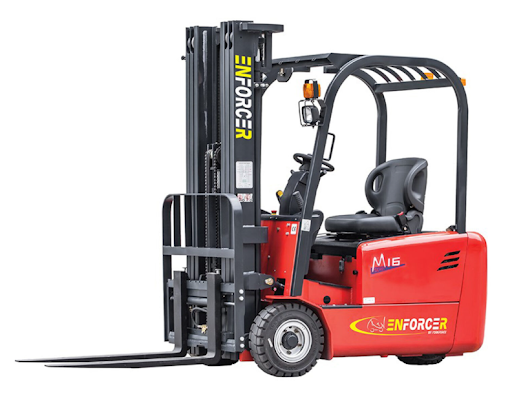
Melbourne’s industrial precincts never really quiet down. Dandenong, Campbellfield, Laverton — these areas hum with activity across long shifts, and the pressure to move stock faster than the next business is a constant. Still, a surprising number of operations are haemorrhaging time because their load-handling setup simply cannot keep pace. Forklifts in Melbourne solve more than a lifting problem. They remove the invisible friction that drags down productivity before anyone even notices it.
Manual Handling Costs More Than You Think
Most workplace injuries do not announce themselves. They build slowly — a strained back here, a pulled shoulder there — until someone ends up on restricted duties for weeks. Manual handling of heavy stock is one of the most consistent causes. Businesses often only discover the real damage after a WorkSafe claim lands, or after realising half the team is unavailable during the busiest period of the month. It is a problem that creeps up quietly.
Wasted Vertical Space
Walk into an underperforming warehouse and the same pattern tends to appear. Wide aisles. Low racking. A lot of empty air above head height. That dead space is not a design quirk — it is a forklift gap. Reach trucks and order pickers make proper high-density racking possible, allowing a facility to store significantly more without expanding its footprint. In Melbourne’s competitive industrial leasing environment, that kind of space efficiency is genuinely valuable. Businesses that crack it gain an edge that is hard to replicate quickly.
The Wrong Forklift Is a Real Problem
There is a common assumption that forklifts are more or less interchangeable. They are not. A counterbalance model that performs well in a spacious distribution centre becomes awkward and slow inside a tight cool-room facility. A rough terrain machine built for outdoor construction sites has no place on a food manufacturing floor. Melbourne’s industrial landscape is varied — Tullamarine freight operations look nothing like Port Melbourne logistics yards — and the equipment needs to reflect that. Picking the wrong configuration wastes money and creates safety headaches.
Operators Make or Break the Equipment
The machine matters, but the person running it matters more. An under-trained operator is a liability that tends to show up in near-misses, damaged racking, and crushed product. Good forklift operators read a site intuitively. They anticipate foot traffic, adjust to floor conditions, and place loads with care. Businesses that invest in proper certification and keep up with refresher training consistently report fewer incidents and lower repair bills. It is one of those investments that pays back steadily and quietly over time.
Bottlenecks Hurt the Whole Chain
One slow-moving area in a warehouse does not stay contained. Stock sitting idle in receiving because there is nothing to move it creates a delay that ripples forward — late despatch, frustrated transport partners, unhappy clients. Forklifts keep goods flowing between receiving, storage, and despatch without the gaps. When that movement is consistent and reliable, the rest of the operation tends to run cleaner. It sounds simple, but the difference on the ground is significant.
Hire Arrangements Are Underrated
Ownership is not always the smartest path. Businesses dealing with seasonal spikes — a surge before Christmas, a clearance push at financial year-end — often find short-term hire a far more practical option. There is no long-term maintenance commitment, no budgeting for hydraulic repairs or battery replacements, and no asset sitting idle for months between busy periods. Smaller Melbourne operations especially tend to underestimate how much ongoing upkeep actually costs until they are already committed.
Compliance Is Not a Formality
Victoria’s workplace safety obligations around powered industrial vehicles are detailed and enforceable. Traffic management plans, pedestrian separation, routine equipment inspections — these requirements exist because the risks are real. Businesses that approach compliance as a genuine priority rather than a paperwork exercise tend to run tighter, safer sites. That discipline usually shows up in other parts of the operation too.
Conclusion
To get the most out of forklifts businesses need to make decisions. They need to choose the forklift train their operators properly and keep up with maintenance. Forklifts in Melbourne help businesses run smoothly and businesses that use them strategically are more likely to succeed.