

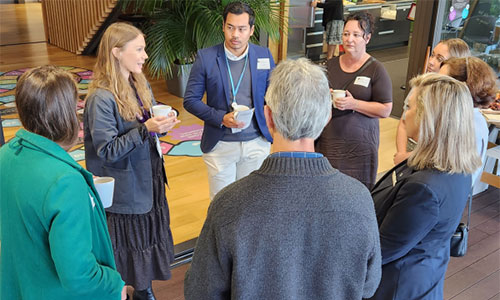
In an age where digital platforms dominate professional interactions, New Zealand is witnessing a powerful shift back to face-to-face networking. Across cities and smaller towns alike, professionals are rediscovering the value of local connections through community-based professional networking groups. These groups provide a structured yet friendly environment where individuals can build trust, exchange referrals, and support one another’s growth.
One notable example is the globally recognized network accessible through BNI, which has gained significant traction in New Zealand. Platforms like this are not just about handing out business cards—they are about forming meaningful relationships that lead to long-term opportunities. In a country known for its strong sense of community, this approach aligns naturally with local culture.
Why New Zealand Is the Perfect Environment
New Zealand’s business landscape is uniquely suited to community-driven networking. The country has a high percentage of small and medium-sized enterprises (SMEs), many of which rely heavily on word-of-mouth referrals. Unlike larger economies where competition can feel impersonal, New Zealand businesses often thrive on trust and reputation.
This environment makes community-based professional networking groups particularly effective. Members are more likely to collaborate rather than compete aggressively, creating a supportive ecosystem. Professionals value authenticity, and these groups offer a space where people can present themselves genuinely rather than relying solely on polished online profiles.
Trust as the Core Currency
At the heart of these networking groups is one critical factor: trust. Unlike cold outreach or online networking, these groups encourage consistent interaction, often through weekly or bi-weekly meetings. Over time, members develop a deeper understanding of each other’s skills, values, and goals.
This trust translates directly into business opportunities. When someone refers a client within the group, it carries far more weight than a random recommendation. It’s similar to recommending a close friend—you only do it when you truly believe in their capability. This level of confidence is difficult to replicate in purely digital spaces.
Structured Networking That Delivers Results
Another reason for the growing popularity is the structured format many groups follow. Meetings are typically organized with clear agendas, including introductions, business updates, and referral exchanges. This structure ensures that every member gets equal visibility and opportunity.
For busy professionals, this predictability is invaluable. Instead of spending hours scrolling through online platforms or attending random events, they can rely on a consistent system that delivers measurable outcomes. It’s networking with purpose rather than chance.
A Sense of Belonging and Support
Beyond business benefits, these groups fulfill a deeper human need: connection. Entrepreneurship and professional growth can sometimes feel isolating, especially for freelancers or small business owners. Community-based groups offer a sense of belonging that goes beyond transactions.
Members often celebrate each other’s successes, provide advice during challenges, and even collaborate on projects. This creates a network that feels less like a business tool and more like a supportive community. In a world where professional burnout is increasingly common, this emotional support is a major advantage.
Adapting to Modern Needs
While rooted in traditional networking principles, these groups are not stuck in the past. Many have embraced hybrid models, combining in-person meetings with digital tools. This flexibility allows members to stay connected even when schedules get hectic.
Additionally, industries are evolving rapidly, and professionals need to stay informed. Networking groups often serve as knowledge-sharing hubs where members exchange insights about trends, tools, and strategies. This continuous learning aspect adds another layer of value.
The Future of Networking in New Zealand
Looking ahead, the growth of community-based networking in New Zealand shows no signs of slowing down. As professionals seek more meaningful and reliable ways to connect, these groups offer a compelling alternative to impersonal digital interactions.
The emphasis on trust, collaboration, and local engagement aligns perfectly with New Zealand’s cultural and economic landscape. Whether someone is a startup founder, a freelancer, or part of an established business, joining a structured networking group can open doors that might otherwise remain closed.
Conclusion
Community-based professional networking groups are thriving in New Zealand because they combine the best of both worlds: human connection and business efficiency. They offer a space where professionals can grow not just their businesses, but also their relationships and confidence.
As the professional world continues to evolve, one thing remains clear—people still value genuine connections. And in New Zealand, these groups are proving that sometimes, the most powerful opportunities come from simply showing up, engaging, and building trust within a community.