

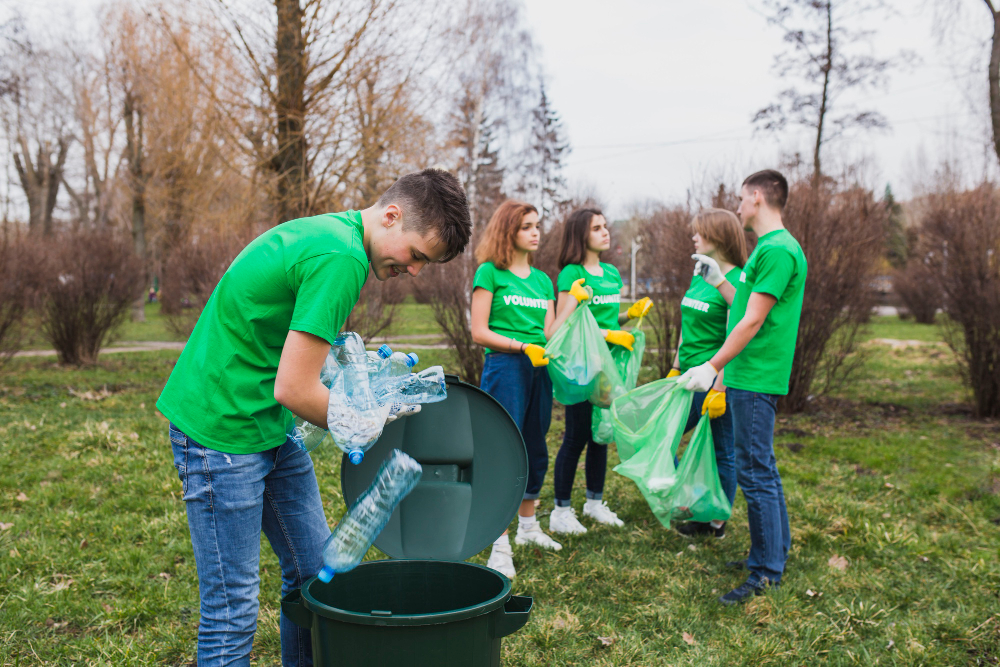
All around us is waste. It piles up in our houses, drowns our streets, fills our parks, and even poisons our oceans. From plastic packaging to leftover food, the volume of rubbish we produce daily is astounding. Throwing it away is just the start; what comes next is very important. This is where correct waste disposal starts running. It’s a shared responsibility including people, companies, and communities; it is not only the government that bears responsibility. Proper waste management helps to lower pollution, save resources, and safeguard public health. Whether at home or on a building site, services like Skip Hire Lancashire help people to responsibly dispose of large amounts of garbage. We approach a cleaner, greener future as each of us contributes. It’s about building a better world for ourselves and future generations, as well as about reducing garbage.
Understanding Waste Management
Waste management is the safe and effective collection, transportation, recycling, or disposal of waste materials. It begins with us, the choice we make to throw something into a trash can. How well the garbage is handled will determine whether it ends up at a landfill, recycling centre, or composting facility. Done properly, it lowers pollution, conserves resources, and lowers the risk of health problems from waste accumulation. Conversely, ineffective waste disposal damages the environment, contaminates the surroundings, and even causes disorders.
Reducing Pollution Through Smart Practices
Poorly handled waste typically ends up floating in the ocean, on land, or in rivers, polluting land, water, and air. Particularly, plastic garbage takes hundreds of years to decompose and frequently damages animals that mistake it for food. Burning open-area waste releases poisonous gases that pollute the air. Good garbage disposal lowers these hazards. Recycling and composting produce more trash. By properly disposing of hazardous materials, we safeguard our drinking water and breathing air.
Managing Natural Resources
Every product we discard once originated from natural resources. Trees provide paper. Plastic comes from oil. Mining metal from the ground is done. Recycling and the reuse of materials help to lower the demand for further raw resource extraction. This aids in energy savings, protection of wildlife, and forest preservation. Recycling aluminium, for instance, uses up to 95% of the energy needed to produce it from fresh sources. Using waste management, we may extract more from the resources we already have and extend the planet’s life for future generations.
Combating Climate Change
Although it may look safe, trash fuels climate change. Organic waste includes food and yard debris that breaks down without oxygen when dumped in landfills. This procedure emits methane, a more potent greenhouse gas than carbon dioxide. Composting this waste generates nutrient-rich soil and prevents methane escape. Reducing trash and recycling goods also translates into fewer factories consuming fuel to manufacture new products. That implies less emissions. Good waste disposal can be a subtle but strong weapon against global warming.
Creating Better Communities
Living close to mountains of trash is something no one desires. Improperly controlled garbage draws insects, spreads disease, and fosters uncomfortable living circumstances. Open dumping and burning of waste still occur daily in many underdeveloped regions. This endangers whole neighbourhoods. Good waste systems enhance sanitation and help to neighbourhoods safer and cleaner. It also supports the local economy by generating jobs, from recycling plant operators to garbage collectors. When a city gives waste management top priority, the whole community enjoys cleaner streets, better health, and a stronger sense of responsibility.
A Greener Future Starts with Us
Waste management goes beyond simply trucks and containers. It’s about decisions, deciding to recycle, reuse, and cut. It involves caring about local recycling initiatives, sorting your trash correctly, and avoiding single-use plastics. Smart trash systems need government investment, but people also have to contribute. Small actions with big impact are educating kids to respect the surroundings, guiding companies to cut packaging, and converting food waste into compost. If we all dedicate ourselves to properly managing garbage, a greener future is possible. Every deed matters. Every effort counts.
Conclusion
The pace of worldwide change is remarkable, and our approach to garbage must evolve as well. Effective garbage disposal goes beyond a simple cleaning plan; it is the cornerstone of sustainability. It improves our quality of life, helps save energy, and guards the environment. We have to begin by accepting responsibility for our garbage if we want a cleaner, greener, safer world. A better future starts with our decisions today, not tomorrow.
Visit The Inscriber Mag for more informative blogs.