

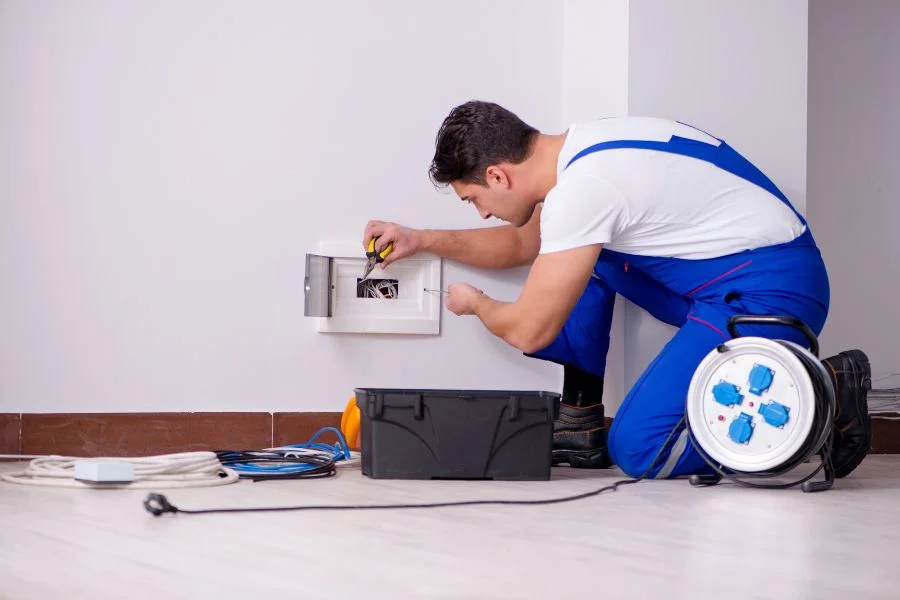
Older homes often attract homeowners with their character, craftsmanship, and sense of history. Decorative details, solid construction, and established neighborhoods make these properties appealing. However, beneath the surface of many older homes lies an electrical system that was built for a very different time. When these homes were constructed, electrical needs were limited to basic lighting and a handful of appliances. Today’s lifestyles demand far more from electrical systems, placing older infrastructure under increasing strain.
Electrical safety becomes especially important in older homes because aging components are often hidden from view. Wiring runs behind walls, panels sit quietly in basements, and outlets may appear functional while underlying systems deteriorate. Without proper evaluation, electrical risks can develop unnoticed, affecting both safety and performance. Understanding why electrical safety matters in older homes highlights the importance of professional oversight and system awareness.
Aging Electrical Systems and Modern Power Demands
Most older homes were built long before modern electrical usage became standard. Early electrical systems were designed to support minimal loads, often powering little more than lights and small appliances. Over time, households introduced televisions, computers, HVAC systems, kitchen appliances, and other power-intensive devices that dramatically increased demand.
As electrical usage expanded, many older systems remained unchanged. Panels, wiring, and circuits designed decades ago are frequently pushed beyond their intended capacity. This mismatch between design and demand can lead to overheating, inconsistent power distribution, and system instability. Aging infrastructure simply struggles to meet the expectations of modern living.
Outdated Wiring Materials and Installation Methods
Electrical wiring materials have evolved significantly over the years. Older homes may contain wiring types that are no longer considered reliable by modern standards. Insulation materials degrade over time, becoming brittle or cracked, which can expose conductors and increase the likelihood of electrical faults.
Installation methods used in the past also differ from current practices. Early wiring techniques often lacked the safeguards now required in modern construction. Without contemporary protections in place, older wiring systems are more susceptible to wear caused by temperature changes, moisture, and long-term use. These factors contribute to an increased need for electrical safety awareness in aging properties.
Increased Risk of Electrical Fires
Electrical fires are one of the most serious hazards associated with older homes. Overloaded circuits, deteriorated insulation, and loose connections create conditions where heat can build up unnoticed. Because wiring is hidden behind walls and ceilings, these issues can progress silently until they result in significant damage.
Older electrical panels may not respond as efficiently to faults as modern systems. When breakers or fuses fail to operate correctly, circuits may continue carrying unsafe loads. For homeowners, understanding the fire risks associated with aging electrical systems underscores why professional evaluation by an experienced Electrical contractor is essential for identifying hidden vulnerabilities.
Lack of Modern Safety Features
Modern electrical systems incorporate safety features that were not standard in older homes. These advancements are designed to respond quickly to irregularities in electrical flow and reduce the risk of injury or damage. Older homes often lack these protections, leaving systems more vulnerable to faults.
Without modern safeguards, electrical issues may go undetected for longer periods. The absence of these features does not necessarily mean a system is failing, but it does mean that faults are less likely to be automatically isolated. This gap between old and new technology contributes to the importance of electrical safety in older properties.
Wear and Tear Over Decades of Use
Electrical systems experience gradual wear as electricity flows through components year after year. In older homes, decades of use take a toll on panels, breakers, outlets, and wiring connections. Metal components can loosen, insulation can degrade, and contact points may become less reliable.
Environmental factors such as humidity, temperature changes, and settling structures further accelerate this wear. Over time, minor issues compound into larger concerns that affect system stability. The cumulative effect of age and use makes routine electrical evaluation a critical part of maintaining safety in older homes.
Electrical Panels Past Their Intended Lifespan
Electrical panels are central to system safety and performance, yet many older homes still rely on panels installed several decades ago. These panels were designed for far lower electrical loads and may lack the capacity to support modern appliances and equipment.
As panels age, internal components can weaken or corrode, reducing their ability to manage electrical flow effectively. Outdated panels may also lack space for additional circuits, leading to overloaded breakers. When panels operate beyond their intended lifespan, they become a common source of electrical safety concerns in older properties.
Impact on Appliances and Electronics
Electrical safety issues in older homes do not only affect wiring and panels — they also impact connected devices. Inconsistent voltage levels and unstable power delivery can place stress on appliances and electronics. Over time, this stress may shorten equipment lifespan or lead to unexpected malfunctions.
Modern electronics are particularly sensitive to fluctuations in electrical flow. Older systems may struggle to deliver consistent power, especially during periods of high demand. This relationship between aging infrastructure and equipment performance further emphasizes the importance of evaluating electrical safety in older homes.
Professional Electrical Assessment and System Awareness
Understanding the condition of an older home’s electrical system requires professional insight. Licensed electricians are trained to recognize signs of aging, overload, and deterioration that may not be visible to homeowners. Their evaluations focus on panels, wiring, connections, and overall system behavior.
Engaging professionals like Great North Electrician ensures that electrical systems are assessed with experience and precision. Professional assessments provide clarity on system condition and help property owners understand how aging infrastructure interacts with modern electrical demands.
Conclusion
Electrical safety in older homes is shaped by the interaction between aging systems and modern usage. Outdated wiring, worn components, limited panel capacity, and the absence of modern safety features create conditions where electrical risks can develop quietly. These factors make electrical safety a central concern for homeowners living in or managing older properties.
By recognizing how age affects electrical infrastructure, property owners gain a clearer understanding of why professional evaluation and system awareness matter. Electrical safety is not solely about visible issues but about understanding the unseen systems that support daily life. In older homes, this understanding plays a vital role in protecting both property and occupants.