

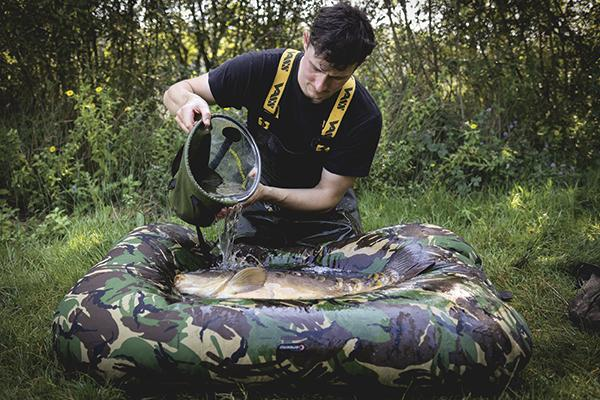
There is a special kind of calm that washes upon you when you are out in nature while throwing a line into still waters while hoping for a tug. But then every angler knows that fishing is more than a sport; it is a connection to nature, be it misty mornings of Lake District fishing or a hidden countryside pond. As anglers, however, that connection comes with a responsibility, and that is where the humble, yet necessary unhooking mat comes in.
Often overlooked and fancied-out by bright reels, carbon-fibre rods, or high-tech bite alarms, the unhooking mat might sound boring, but it contributes critically to modern-day ethical angling practice. So, if you’re serious about the sport and in the welfare of the fishes that you’re catching, this is one kit you really should not ignore.
What Is an Unhooking Mat?
A padded, water-resistant mat meant to offer a safe and cushioned platform for fish after they have been caught is called an unhooking mat. It’s applied to fish before release during unhooking, photography, or short handling. The aim? Prevent injuries and preserve their fragile slime coating, which helps to fend off infection and sickness.
When fishing on rocky banks, gravel walkways, or any environment that could damage a fish’s body, these mats are particularly beneficial. Consider it your portable “care station” for your catches.
Why It’s So Important for Fish Welfare
Fish are significantly more fragile than most people think. Their bodies are made for the water, not for dry, hard surfaces. A brief period on uneven terrain can:
- Take off their protective slime covering
- Harm their fins or scales
- Cause internal damage or stress
Especially during lake district fishing, when you will frequently come across enormous, beautiful specimens like carp, pike, and tench that requires cautious handling, having an unhooking mat is vital.
Caring for your catch demonstrates respect for the fish, the environment, and the sport itself. Many UK fisheries fundamentally use unhooking mats by law or club regulation to preserve fish health and stock lifetime.
Ideal Scenarios to Use an Unhooking Mat
- Carp Fishing
Carp, famed for their size and strength, are quite susceptible out of water. A mat ensures proper handling and increases their post-release survival rate.
- Pike Fishing
With sharp teeth and a propensity to thrash around, pike benefit from being placed on a mat to stabilise them and protect both fish and angler.
- Catch-and-Release in Sensitive Waters
In protected places like portions of the Lake District fishing scene, where conservation is a top focus, unhooking mats are essential.
- Taking Photos
Let’s face it—we all like to document our best catches. Keeping your fish secure during the fast photo opportunity, a clean, flat unhooking mat provides the ideal background.
Key Features to Look for in a Quality Unhooking Mat
Not all mats are created equal. When looking for one, keep these significant elements in mind:
Padding Thickness: Especially for bigger species, seek at least 30–50mm of padding for appropriate cushioning.
Waterproof Material: Essential for easy cleaning and to prevent soaking up harmful bacteria or fish slime.
Foldable or Roll-Up Design: Makes it easy to carry and store, especially if you’re hiking into your favourite Lake District fishing spot.
Built-in Kneeling Pad: A nice addition that helps you to handle your catch more comfortably and easily.
Raised Edges or Cradles: Prevents fish from sliding off the mat and getting injured.
Using an Unhooking Mat the Right Way
Having one is just half the story; understanding the right use is crucial.
- Wet the Mat First
Always moisten the mat before putting a fish on it. This prevents unneeded friction on the fish’s skin and slime layer.
- Have Everything Ready
Before you even catch the fish, ensure the mat, camera, scales, and any equipment (such as forceps) are within reach. Working faster reduces the stress on the fish.
- Always Support the Fish
Avoid lifting the fish by the gills or tail. If you’re weighing it, use a proper sling.
- Release Gently
When you are finished, calmly and gently return the fish to the water to allow it swim off in its own time.
Final Thoughts
Fishing is about respect as much as the excitement of the pursuit, the patience of the wait, and the happiness of the catch. An unhooking mat should be a non-negotiable component of your setup whether you are deep into the Lake District fishing scene or just hitting your local pond on the weekend.
Though it might not be the most eye-catching thing in your tackle bag, it is quite crucial. Your treatment of the fish you catch reveals much about you as a fisherman; that, more than anything, qualifies you as a genuine steward of the sport.