

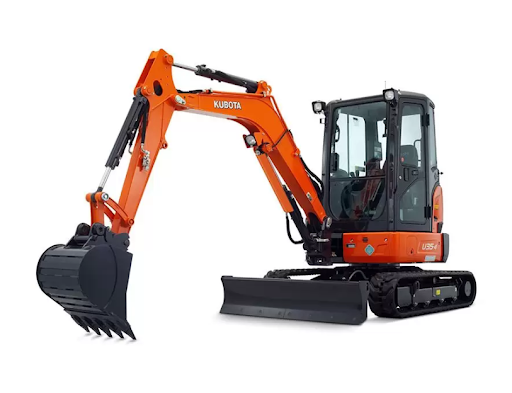
Most people underestimate how much Victoria’s clay-heavy soil differs from the rest of Canada. If you’ve ever tried digging post holes in James Bay or Fernwood, you know exactly what this means. The ground shifts from dense clay to rocky patches within metres. That’s before considering the tree roots from centuries-old Douglas firs. These roots seem determined to wrap around everything underground. This isn’t soil you tackle with a shovel and optimism. Working with an excavator in Victoria BC becomes essential when dealing with these challenging conditions.
Understanding Your Project Needs
Here’s something contractors rarely mention upfront. The excavator in Victoria BC you need for a Saanich Peninsula property differs completely from what works in Langford’s newer developments. Peninsula soil often sits atop bedrock that’s closer to the surface than you’d expect. Meanwhile, areas near Thetis Lake deal with moisture-laden ground. This ground behaves differently depending on the season. A smaller machine might lack the breakout force for rocky terrain. An oversized unit tears up more landscape than necessary and struggles in tight residential plots common throughout Oak Bay.
Time Efficiency Matters
Weather windows in Victoria are deceptive. Sure, winters are mild compared to the prairies. Steady rainfall from October through March turns job sites into mud pits faster than you’d think. Professional excavation wraps up foundation work or drainage projects before seasonal rains arrive. There’s also the reality of Victoria’s building inspector schedules. Missing your inspection slot because excavation ran long pushes everything back weeks. Experienced operators read the ground conditions and adjust their approach on the fly. They don’t discover problems after they’ve already cost you time.
Terrain Adaptability
The Malahat’s presence reminds us that Victoria isn’t flat. Newcomers sometimes forget this. Sloped lots throughout communities like High Quadra or the Highlands demand equipment that maintains stability. These machines work on inclines that would make most DIY enthusiasts nervous. Track-mounted machines distribute weight better than wheeled alternatives. This reduces the risk of ground collapse on rain-softened slopes. They also handle the transition between disturbed fill and native soil without bogging down. That’s particularly relevant in areas where previous development altered drainage patterns.
Safety Considerations
BC Hydro, Fortis, and municipal water lines all run beneath Victoria’s streets. Records often predate accurate GPS mapping. Hitting a gas line doesn’t just halt your project. It evacuates neighbourhoods and triggers investigations that haunt contractors for years. Professional operators use an excavator in Victoria BC alongside proper locating procedures. They also understand how Victoria’s infrastructure evolved over decades. They know which areas likely have forgotten oil tanks from when heating oil was standard. Telephone lines might deviate from their marked positions because utility crews decades ago took the path of least resistance.
Environmental Responsibility
Victoria’s environmental bylaws aren’t suggestions. The Capital Regional District takes Garry oak protection seriously. So do soil deposit regulations and requirements around managing contaminated soil from older industrial sites. Precision excavation minimises disturbance beyond your work zone. This matters when you’re near protected ecosystems. It also matters when neighbours have mature landscaping they’re not keen to see damaged. Modern machines produce less ground pressure than older equipment. This reduces compaction that kills established trees by damaging their root systems.
Operator Expertise
Someone who learned excavation in Alberta’s oil patch or Ontario’s agricultural regions hasn’t encountered Victoria’s specific challenges. Local operators recognise glacial till when they see it. They’ve dealt with the remnants of old logging operations. They know that areas near the harbour might contain unexpected debris from Victoria’s industrial past. This knowledge prevents the kind of mistakes that turn straightforward jobs into expensive lessons. Assuming all brown soil behaves the same is one such mistake. Underestimating how quickly conditions change when you break through a clay layer into sand is another.
Long-Term Project Value
Improper excavation haunts properties for decades. A foundation dug without accounting for seasonal water table fluctuations leads to chronic flooding. Backfill compacted incorrectly settles unevenly. This cracks driveways and pulls buildings out of level. Victoria’s real estate market means these problems don’t stay hidden. Home inspections catch drainage issues and foundation movement. These issues tank property values and create liability nightmares for everyone involved in the original construction.
Conclusion
Victoria’s unique combination of soil types, environmental regulations, and established neighbourhoods demands more than generic excavation approaches. The difference between adequate work and quality results often comes down to understanding local conditions that textbooks don’t cover. Professional services familiar with everything from Colwood’s clay to Sidney’s sandy patches prevent costly mistakes. These mistakes plague projects handled by operators treating Victoria like anywhere else. Choosing the right excavator in Victoria BC means working with people who’ve navigated these specific challenges before. Not just once or twice, but enough times to anticipate problems before they emerge.