

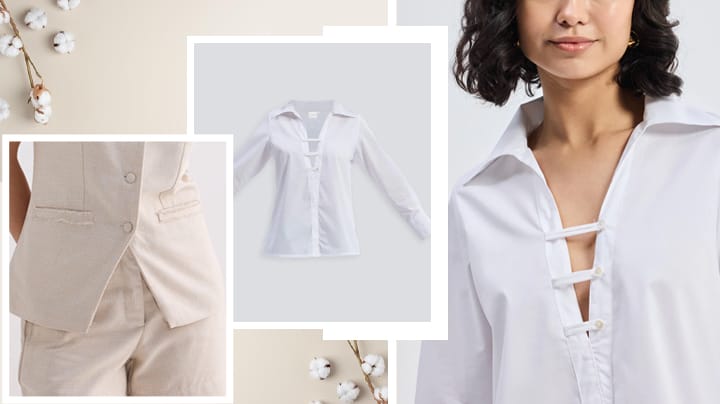
We all know the feeling of finding a perfect soft cotton T-shirt. Think of your favorite, and you will remember why you like it so much. It is soft, stylish, and fits just right.
Do you know what went into making that simple piece of clothing? The truth might surprise you.
Most of the world’s cotton is not as “clean” as it looks. The conventional cotton industry is one of the thirstiest, most chemically dependent industries in the world. It mugs water, contaminates soil, and exposes farmers to dangerous pesticides. The clothes made from it often wear out quickly, sending millions of tons of textile waste to landfills every year.
Sustainability in fashion is a necessary shift toward a more responsible way of producing and consuming clothing. While many eco-conscious initiatives have emerged, one of the biggest revolutions in sustainable fashion has been the widespread adoption of organic cotton. Brands across the U.S., including high-end designers to smaller independent brands, are shifting to organic cotton as it is a more ethical choice.
The shift in preference is not solely about minimizing the damage caused by synthetic fabrics like nylon and polyester. It is about rethinking how fashion should interact with the world—ethically, sustainably, and responsibly.
With growing awareness about fashion’s environmental impact, more brands step up to challenge the old ways. Labels like Eileen Fisher, Everlane, Patagonia, and Reistor have all embraced organic cotton. They show us how style and sustainability are intertwined concepts. These companies are proving that consumers no longer have to choose between eco-conscious choices and high-quality fashion.
The Truth About Conventional Cotton
Cotton might be a natural fiber, but conventional cotton farming is one of the most environmentally damaging practices in the fashion industry. The process is resource-intensive and relies heavily on chemicals that damage ecosystems and human health alike. Conventional cotton has earned a bad reputation for multiple reasons.
An astonishing amount of water is guzzled in the process of farming. It is about 2,700 liters required to make a single t-shirt. That is enough drinking water for one person for nearly three years! In some regions, cotton farming has even contributed to desertification and water shortages.
The industry is flooded with synthetic pesticides, fertilizers, and herbicides. These chemicals do not just wash away, they seep into soil and waterways. They contaminate drinking water and harm biodiversity. Farmers working with conventional cotton often suffer from chronic health conditions due to prolonged exposure.
From mass production to transportation, the carbon footprint of conventional cotton is staggering. The energy-intensive process of growing, harvesting, and processing cotton significantly contributes to global emissions of greenhouse gasses.
What Sets Organic Cotton Apart?
Unlike its conventional counterpart, organic cotton is grown without synthetic pesticides, fertilizers, or genetically modified seeds. Instead, it prioritizes the health of the soil, the safety of farmers, and the conservation of natural resources.
How does it make a difference you ask? Organic cotton grows using significantly less water, induces soil regeneration, and is safe for farmers and workers. The fabric is also better on your skin, and needless to say, it is sustainable and biodegradable.
- Organic cotton farms rely on rain-fed irrigation and soil that retains moisture naturally, cutting down water consumption drastically.
- Instead of depleting the earth, organic farming encourages biodiversity and maintains healthy, nutrient-rich soil that can be used for generations.
- Without exposure to toxic chemicals, farmers and textile workers have healthier working conditions and a better quality of life.
- Organic cotton fabric is free from chemical residues, making it hypoallergenic and safer for sensitive skin.
- Unlike synthetic fabrics, organic cotton breaks down naturally, reducing landfill waste and microfiber pollution.
Organic Cotton in Luxury and Everyday Fashion
Organic cotton is not just reserved for niche eco-friendly brands anymore, it is making its way into high-fashion and everyday wear alike. The move toward organic cotton is proof that sustainable fashion does not have to mean sacrificing style or quality. Brands are creating chic, timeless pieces that feel luxurious while also aligning with conscious consumer values.
More high-end labels and mainstream retailers are recognizing that eco-friendly fashion is not just a trend but a need. Leading designers are incorporating organic cotton into their collections, proving that sustainability is the new standard for premium fashion. Even activewear brands are embracing organic cotton, creating performance wear that’s breathable, durable, and better for the planet.
Organic cotton is now being used for everything from breezy summer dresses to structured workwear, proving that sustainability and style aren’t mutually exclusive.
A Quiet Revolution
Several small-scale brands across the U.S. continue to push the slow fashion movement forward. One such brand is Reistor, a company dedicated to crafting beautiful, timeless garments with eco-conscious materials. Instead of following the fast fashion cycle, Reistor embraces thoughtful, sustainable design by using organic cotton in a way that makes sense for both the planet and the consumer.
The approach is to design with intention, and not seldom merely using organic cotton in the weaves. Brands currently need to ensure that sustainability is built into every part of the process.
Conscious production processes mostly include the selection of high-quality fabrics and a focus on biodegradable trims like eco-friendly labels and buttons. When brands focus on eco-friendly fabrics and ethical production practices, consumers are able to invest in pieces that look good, feel great, and align with their values in return.
The Power of Small Choices
Choosing organic cotton might seem like a small switch, but the impact is enormous when done collectively. Organic Cotton reduces water consumption, supports fair wages, and helps clean up an industry long known for its wasteful and unethical practices.
Sustainable fashion is about taking thoughtful steps toward a better future. Every organic cotton t-shirt, every consciously made dress, and every decision to support responsible brands helps shift the industry toward a greener, more ethical model.
The next time you shop, take a closer look at the label—and consider what lies beyond it. Choosing organic cotton is not only about comfort but also about supporting a movement that values the planet and the people who make our clothes. Whether it is from globally recognized brands or independent designers like Reistor, every purchase is an opportunity to be part of this mindset change.
Sustainable fashion is not about giving up luxury or style, it is about redefining them. And with organic cotton, the future of fashion looks brighter, softer, and a whole lot greener.