

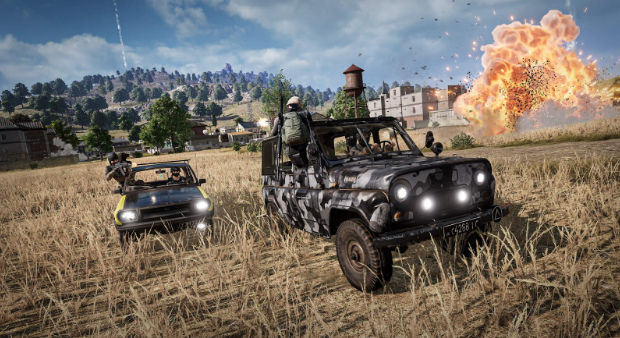
PlayerUnknown’s Battlegrounds (PUBG) once pioneered the battle royale genre, inspiring countless imitators and competitors. However, despite its explosive global launch, PUBG’s popularity began to dip—especially in Western markets. The question arises: why did a game that helped shape modern online shooters struggle to maintain its place in regions like North America and Western Europe?
Rise of Competitors in the West
One of the biggest reasons for PUBG’s decline in the West is the rapid rise of polished competitors. Games like Fortnite and Apex Legends brought smoother mechanics, vibrant aesthetics, and highly optimized performance. While PUBG offered gritty realism and large-scale warfare, it couldn’t keep up with the fast-paced gameplay and broad appeal of newer titles. The Western audience leaned more toward fluid movement, gaming ping test, and more casual-friendly content.
Technical Performance and Optimization Issues
From its early days, PUBG suffered from performance hiccups. Players frequently complained about frame drops, desyncs, and inconsistent hit registration. In high-stakes battle royale games, technical stability is critical. Western players, used to high-end gaming rigs and low-latency experiences, grew frustrated. PUBG’s issues with PUBG server ping and input lag made competitive play a gamble, pushing many players to seek smoother alternatives.
The Complexity Barrier
Unlike its colorful competitors, PUBG offered a slower, more methodical experience. Inventory management, ballistic bullet physics, and realistic gun recoil demanded a steep learning curve. While some hardcore gamers appreciated this depth, many casual players found it overwhelming. Western audiences, often drawn to quick-entry gameplay, found Fortnite’s build mechanics or Apex’s legends system more accessible and entertaining.
Limited Cultural Customization and Appeal
PUBG’s art direction and gameplay loop are grounded in a militaristic, survival-based design that resonated well in Eastern markets. However, Western players—accustomed to character customization, storytelling, and lore—found it lacking in personality. The game didn’t offer the same emotional hooks or cultural relevance that Fortnite’s events or Call of Duty’s cinematic campaigns provided. This difference in content appeal made retention difficult in the West.
Poor Marketing and Event Strategies in the West
PUBG Corporation initially focused more on expanding into Asian markets where mobile gaming and PC cafés are thriving. In contrast, Western players rely on strong social and streaming presences, in-game events, and cross-promotions. PUBG failed to capitalize on influencer campaigns or major tournaments in the same way that competitors did. Western gamers didn’t see the same level of excitement or community engagement from PUBG’s end.
The Mobile Version Overshadowed the PC Version
PUBG Mobile became a massive hit, especially in Asia, where smartphone gaming dominates. However, in the West, mobile gaming hasn’t achieved the same cultural status. While PUBG server ping was relatively stable on mobile, Western gamers still preferred the PC or console versions. Unfortunately, the PC version remained riddled with bugs and poor optimization. The irony is that PUBG Mobile became more polished and popular than the original, but it didn’t translate to PC success in the West.
Anti-Cheat Woes and Hacker Infestation
A critical blow to PUBG’s Western reputation came from its failure to handle hackers effectively. Wallhacks, aimbots, and speed hacks became rampant in public lobbies, frustrating honest players. Although the developers launched anti-cheat systems, they were reactive and inconsistent. In a market where fair play is essential, Western gamers quickly abandoned what they saw as a compromised ecosystem.
Long Match Durations Turn Casuals Away
PUBG matches could easily stretch beyond 30 minutes, especially for players adopting stealth tactics. While that created tension and realism, it also meant players invested significant time for minimal reward if they lost early. Western players, who often engage in gaming during tight time windows, preferred the faster drop-in, drop-out format offered by Fortnite or Warzone. A single loss after 20 minutes of crawling and looting felt frustrating instead of exhilarating.
Lack of Frequent Content Updates
Games like Fortnite revolutionized the idea of a “live service” game. Frequent updates, map changes, limited-time events, and crossovers kept content fresh and players engaged. PUBG, on the other hand, followed a slower update cycle. This lack of dynamic change left players feeling stuck in repetition. Western gamers, accustomed to evolving games, simply moved on to titles that better respected their attention spans and expectations.
Low Accessibility on Console
Console gamers make up a large share of the Western gaming audience. PUBG’s initial release was focused on PC, and when it eventually launched on Xbox and PlayStation, it lacked polish. Poor frame rates, clunky controls, and crashes plagued the experience. By the time these issues were addressed, the player base had already shifted to better-optimized console shooters. First impressions matter, and PUBG failed to deliver a smooth one on console.
Esports Presence Never Took Off in the West
PUBG had all the elements for a successful esport: strategy, gunplay, high stakes. But the viewing experience wasn’t compelling. The large-scale nature of matches made it difficult to follow individual narratives, and the spectator tools didn’t allow for exciting broadcasts. In contrast, games like Apex Legends and Valorant provided visually stimulating and easily understandable matches. Without a strong gaming ping test infrastructure and compelling storytelling, PUBG’s esports scene struggled to capture Western attention.
Fragmented Player Base Across Maps and Modes
Instead of building on a singular, iconic map like Fortnite’s ever-changing island, PUBG split its player base across multiple maps and playlists. While variety can be a strength, it also led to longer matchmaking times and fragmented communities. Western players seeking quick action often found themselves waiting too long or playing on maps they disliked, further contributing to churn.
Game Aesthetics Didn’t Resonate
PUBG’s grayish tone and hyper-realistic settings didn’t offer the visual appeal that many Western gamers preferred. Fortnite’s vibrant cartoon style and Apex Legends’ sci-fi aesthetics were more in line with current entertainment trends. PUBG’s muted color palettes and lack of charismatic character design made it harder to build a loyal fanbase centered around identity and fashion—an important factor in modern gaming.
Fewer Social Features and Cross-Platform Play
Modern Western gamers expect robust social features—friends lists, voice chats, in-game squads, and cross-platform play. PUBG lagged behind in delivering these seamlessly. By the time cross-play was introduced, other titles had already perfected it. Players want to jump in with their friends regardless of platform, and PUBG’s delay in implementing this was a serious handicap in the West.
Rising Sensitivity Around Violence and Realism
Western media and political figures often scrutinize realistic depictions of violence in games. PUBG, with its military-style executions and tense survival scenarios, fell under more criticism than its more stylized counterparts. While not a central issue, this may have contributed to parental hesitance and platform restrictions, slightly limiting its reach in Western demographics.
Better Alternatives for Ping and Server Quality
Server stability and ping times are make-or-break for competitive shooters. While PUBG tried to improve its infrastructure, games like Call of Duty and Apex Legends offered better matchmaking, lower latency, and regional coverage. Players seeking consistent gameplay used tools like a gaming ping test before choosing what to play—and many found PUBG lacking in that department, especially during peak hours or when playing cross-region.
A Shift Toward Short-Form Gaming
Western trends increasingly favor short-form content and rapid entertainment. This applies to games too. Titles like Fall Guys and Among Us succeeded by delivering quick, humorous gameplay loops that fit into players’ busy lives. PUBG’s drawn-out, serious gameplay didn’t align with the rising “quick burst” culture in Western gaming. Players didn’t always want 30 minutes of high-stakes tension—they wanted 10 minutes of fun.
Summary: A Storm Missed in the West
PUBG will always be credited with redefining multiplayer shooters, but it missed the mark in adapting to Western tastes. From high PUBG server ping to slower updates and weak console performance, the game left many opportunities untapped. It appealed more to hardcore survival fans than casual gamers, and in the rapidly evolving Western market, adaptability is key. With stronger competition, better technical performance, and more player-centric experiences elsewhere, PUBG slowly slipped out of favor.