

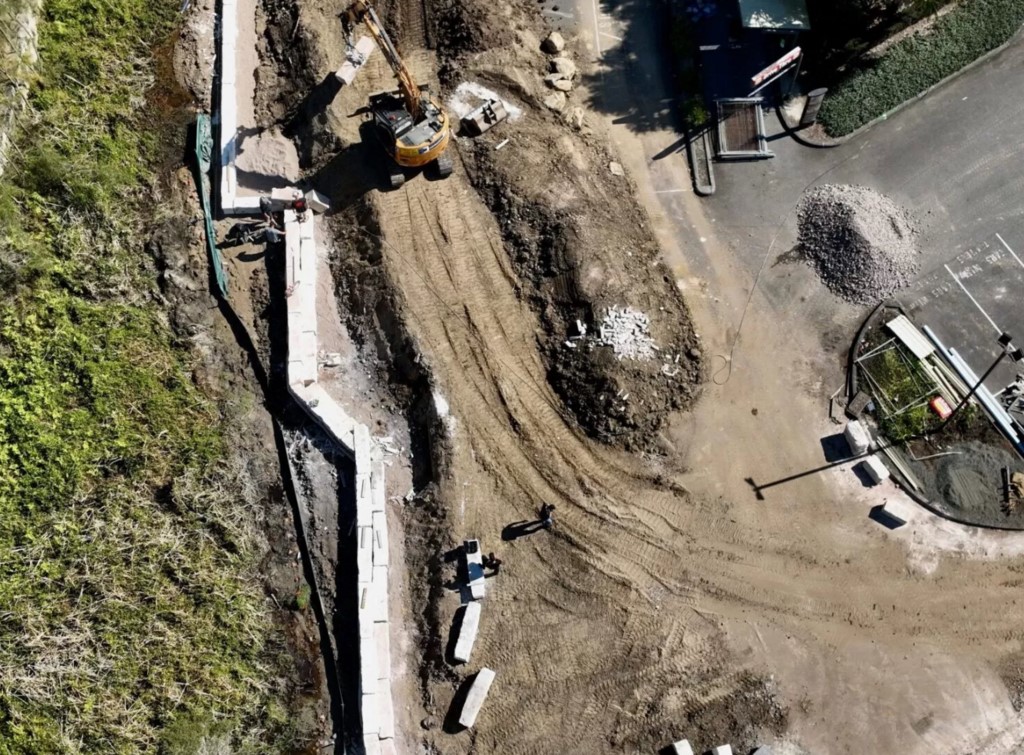
Land development and construction projects often encounter soil contamination that can pose risks to human health, the environment and future land use. Whether due to historic industrial activity, improper waste disposal or accidental spills, contaminated soil requires professional assessment and careful remediation. When you need reliable expertise, turning to contaminated soil removal in Sydney by Rick Davis Contracting ensures that environmental challenges are managed safely, compliantly and effectively. Professional soil removal protects site users, supports regulatory compliance and helps you move forward with redevelopment or land rehabilitation with confidence.
What Is Soil Contamination?
Soil contamination occurs when harmful substances such as heavy metals, petroleum products, pesticides or industrial residues enter the ground at levels that pose a risk to health or the environment. These contaminants can remain in the soil for long periods and may migrate into groundwater or nearby ecosystems if not addressed. Common sources include fuel storage leaks, chemical spills from industrial sites, historic waste dumping and legacy uses of land where contaminants were used or deposited. Understanding the type and extent of contamination is essential before any remediation work begins.
How Soil Contamination Is Identified
Identifying soil contamination starts with a site assessment conducted by environmental consultants or qualified specialists. This process typically includes:
- Reviewing historical land use and records
• Conducting visual inspections of the site
• Taking soil samples from multiple locations and depths
• Analysing samples in accredited laboratories to determine contaminant types and concentrations
The results of these investigations help classify contamination levels and inform decisions about appropriate remediation strategies. Without accurate assessment, landowners risk underestimating the problem, which can lead to incomplete cleanup and ongoing liability.
Why Contaminated Soil Removal Matters
Removing contaminated soil is important for several reasons. First, it protects people who work on or live near the site from exposure to harmful substances. Contaminants such as lead, hydrocarbons or solvents can affect human health through direct contact, ingestion or inhalation of dust.
Second, soil removal supports environmental protection by reducing the potential for contaminants to migrate into groundwater, waterways or neighbouring properties. It also helps ensure that redevelopment or reuse of land does not inadvertently expose future occupants to hazards.
Finally, regulatory compliance requires appropriate soil management. Local councils, state environmental agencies and planning authorities often mandate soil remediation as part of development approvals or environmental permits. Meeting these requirements is essential to avoid fines, project delays or legal liabilities.
Common Contaminants Encountered in Urban Sites
Urban and industrial sites can contain a range of contaminants depending on their history. Common examples include:
- Petroleum hydrocarbons from fuel storage and leaks
• Heavy metals such as lead, arsenic or cadmium from industrial processes
• Polycyclic aromatic hydrocarbons (PAHs) from combustion sources
• Solvents and chemical residues from manufacturing or maintenance operations
Each contaminant type requires specific handling and treatment approaches, which is why professional assessment and removal are vital.
The Soil Removal and Remediation Process
Once contamination is confirmed and characterised, a remediation plan is developed. Soil removal involves several key steps:
Developing a Remediation Strategy
Environmental specialists design a plan based on contaminant type, concentration and site conditions. The strategy outlines removal limits, disposal options, safety protocols and compliance requirements.
Safe Excavation and Handling
Contaminated soil is excavated using heavy machinery operated by trained personnel. During excavation, dust control measures and protective systems are implemented to protect workers and surrounding areas. Soil is segregated based on contaminant levels to determine appropriate handling and disposal processes.
Transport and Disposal
Contaminated soil is loaded into covered vehicles and transported to licensed facilities authorised to handle hazardous materials. Disposal facilities are selected based on the contaminant profile and regulatory approvals to ensure that material is managed responsibly.
Site Verification
After removal, remaining soil may be re-sampled to verify that contamination levels have been reduced to acceptable standards. Verification reports are prepared for regulators or clients to demonstrate compliance. These stages require careful planning and execution by experienced contractors who understand environmental law, safety procedures and waste management best practice.
Safety and Environmental Controls
Contaminated soil removal involves inherent risks to workers and the environment. Qualified contractors follow stringent safety practices that include:
- Personal protective equipment for workers
• Dust suppression techniques to minimise airborne contaminants
• Erosion and sediment control to protect stormwater systems
• Secure site fencing and access control during excavation
Environmental controls ensure that remediation does not create secondary impacts and that surrounding ecosystems are protected throughout the process.
Regulatory Compliance and Reporting
Soil remediation work must align with Australian environmental regulations, planning conditions and industry standards. Licensed contractors assist landowners in meeting reporting obligations, record keeping and documentation needed for regulatory approval. This includes soil analysis results, transport manifests, disposal records and verification data. Compliance not only protects public health and the environment but also safeguards project timelines and approvals.
Cost Considerations and Planning Ahead
The cost of soil removal varies depending on the scale of contamination, accessibility of the site, depth of excavation and disposal requirements. Planning early in the project lifecycle helps reduce unexpected expenses. Environmental assessments conducted before construction or major earthworks identify issues upfront, allowing remediation to be budgeted into project costs rather than dealt with reactively. Professional contractors provide cost estimates based on thorough assessment and site conditions, helping you plan effectively.
Working With Experienced Contractors
Choosing experienced, reputable contractors for soil removal makes a significant difference in outcomes. Professional teams combine technical expertise, environmental knowledge and compliance experience to deliver safe, effective remediation. They also coordinate with consultants, regulators and clients to streamline the process and provide clear communication at every stage. Contractors who understand local conditions in Sydney help tailor approaches that fit site-specific needs while meeting regulatory expectations.
Benefits of Responsible Soil Remediation
Effective soil remediation and removal deliver benefits that extend beyond the immediate site. These include:
- Reduced health risks for workers and future occupants
• Protection of groundwater and surrounding ecosystems
• Compliance with planning and environmental laws
• Increased confidence for property investment and redevelopment
• Documentation that supports sale, lease or project approvals
Taking a proactive approach to soil contamination issues strengthens long-term land value and community wellbeing.
Conclusion
Contaminated soil poses serious challenges to property development, environmental health and human safety. Engaging contaminated soil removal in Sydney by Rick Davis Contracting provides landowners and developers with professional expertise needed to manage these risks responsibly. Through careful assessment, safe excavation, compliant disposal and thorough reporting, experienced contractors help you address contamination effectively and move forward with confidence.
Whether you are preparing for redevelopment, meeting regulatory requirements or protecting site users, responsible soil remediation supports environmental integrity, legal compliance and peace of mind.