

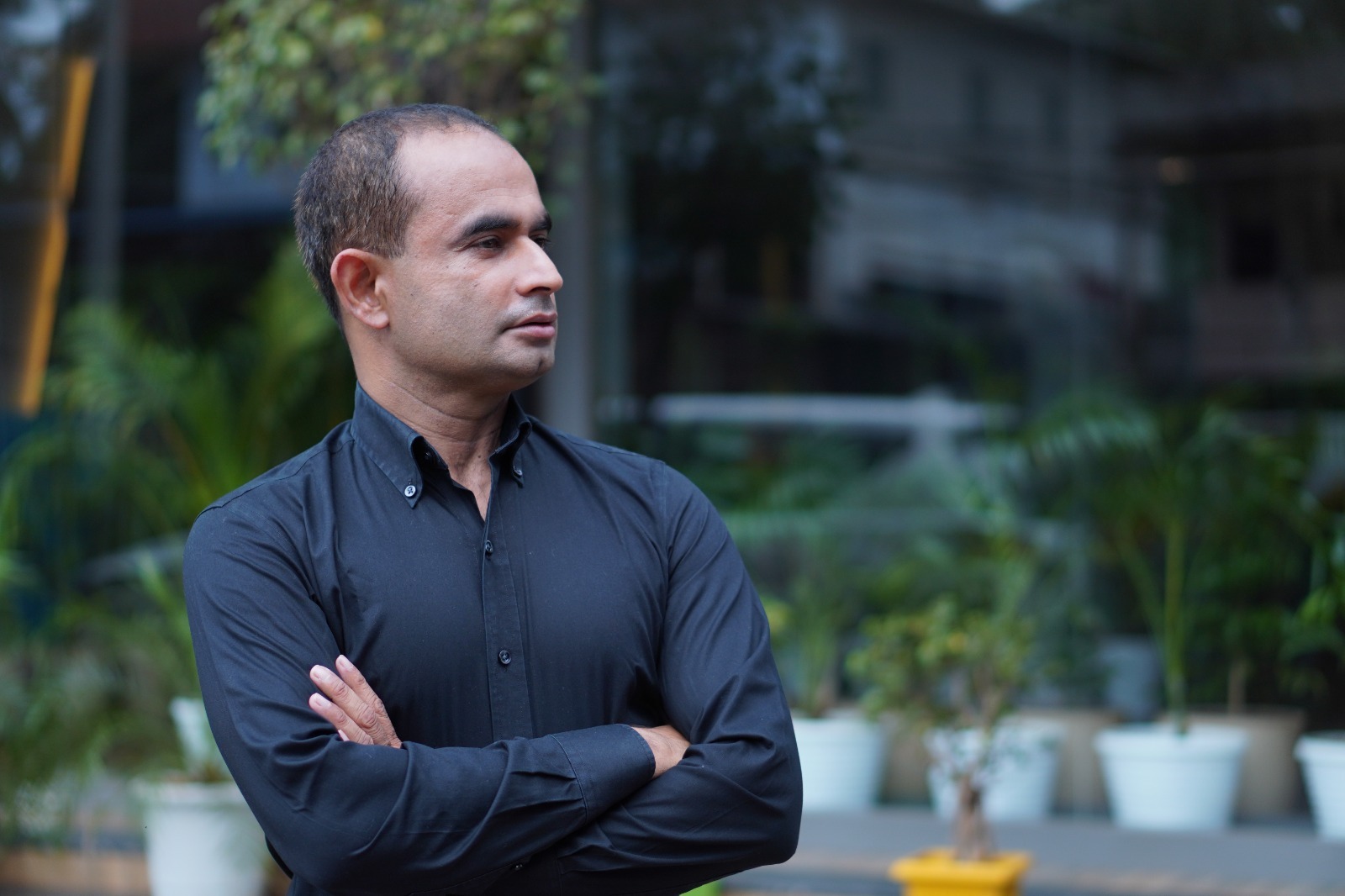
In the world of fintech, Sabeer Nelli stands apart from conventional leadership models. The founder and CEO of Zil Money built his business acumen through real-world experience, transforming Tyler Petroleum into a $60+ million operation before entering financial technology.
Armed with practical knowledge and a Harvard Fintech certification, he created Zil Money, which now serves over one million users and processes $1.6-1.8 billion monthly transactions. His guiding principle reflects this hands-on approach: “Tyler Street taught me everything about business.”
The Multi-Industry Approach
While many successful fintech leaders focus exclusively on financial technology, Sabeer operates across multiple sectors: Tyler Petroleum, 14+ Western Union branches, restaurants, fuel stations, and ATM processing operations. This diversification provides direct exposure to payment challenges across different industries.
The petroleum-to-payments evolution emerged from operational necessity when Tyler Petroleum’s vendor payment complexity revealed gaps in existing solutions. When established payment processors couldn’t accommodate their needs, Sabeer took an unconventional route—building his own solution. This hands-on approach to problem-solving reflects his belief that the best innovations come from experiencing challenges firsthand rather than theorizing about market needs.”
Experience-Based Learning
Sabeer’s educational philosophy directly challenges fintech’s credential obsession. His declaration about earning his “MBA from Tyler Street, not Stanford” isn’t anti-intellectual posturing—it’s recognition that practical business building often provides insights classroom learning cannot replicate.
He pursued Harvard’s Fintech certification to understand regulatory frameworks, but approached it as supplementary knowledge to enhance existing operational expertise, not as a prerequisite for industry credibility. His approach suggests that effective fintech leaders combine formal knowledge with extensive real-world business experience.
Communication Style
Fintech leadership communication typically follows careful scripts: emphasize vision, minimize setbacks, maintain polished professional image. Sabeer takes the opposite approach; he openly discusses setbacks and frames them as learning opportunities rather than minimizing challenges, that sparked Zil Money’s creation. This authentic communication builds stakeholder trust while creating organizational cultures where employees feel safe identifying problems and proposing unconventional solutions.
The authenticity extends to lifestyle choices. While many fintech leaders cultivate carefully managed public personas, Sabeer openly discusses living on a Texas ranch, raising livestock, and volunteering with local police—challenging the industry’s narrow definition of executive presence.
Customer-Centric Development
The fintech industry frequently prioritizes technological sophistication over practical utility, building impressive capabilities and searching for applications. Sabeer reverses this approach entirely, starting with customer problems experienced in his own operations.
Zil Money’s comprehensive payment platform emerged from Tyler Petroleum’s vendor management challenges, not from competitive analysis or venture capital pressure. The platform’s micro-level access control features solve real operational problems Sabeer encountered managing payment permissions across multiple employees. This customer-first approach challenges the industry’s technology-driven innovation model.
Alternative Leadership Models
Sabeer’s success proves that fintech leadership doesn’t require conforming to established templates. His multi-industry experience, authentic communication style, community-centric vision, and customer-first innovation approach demonstrate that effective leaders challenge conventional wisdom rather than following it.
For an industry increasingly scrutinized for social impact and sustainability, Sabeer’s model offers compelling alternatives to traditional Silicon Valley approaches. Breaking the mold isn’t just about being different—it’s about proving that diverse approaches to leadership can create more innovative, sustainable, and socially beneficial financial services companies.