

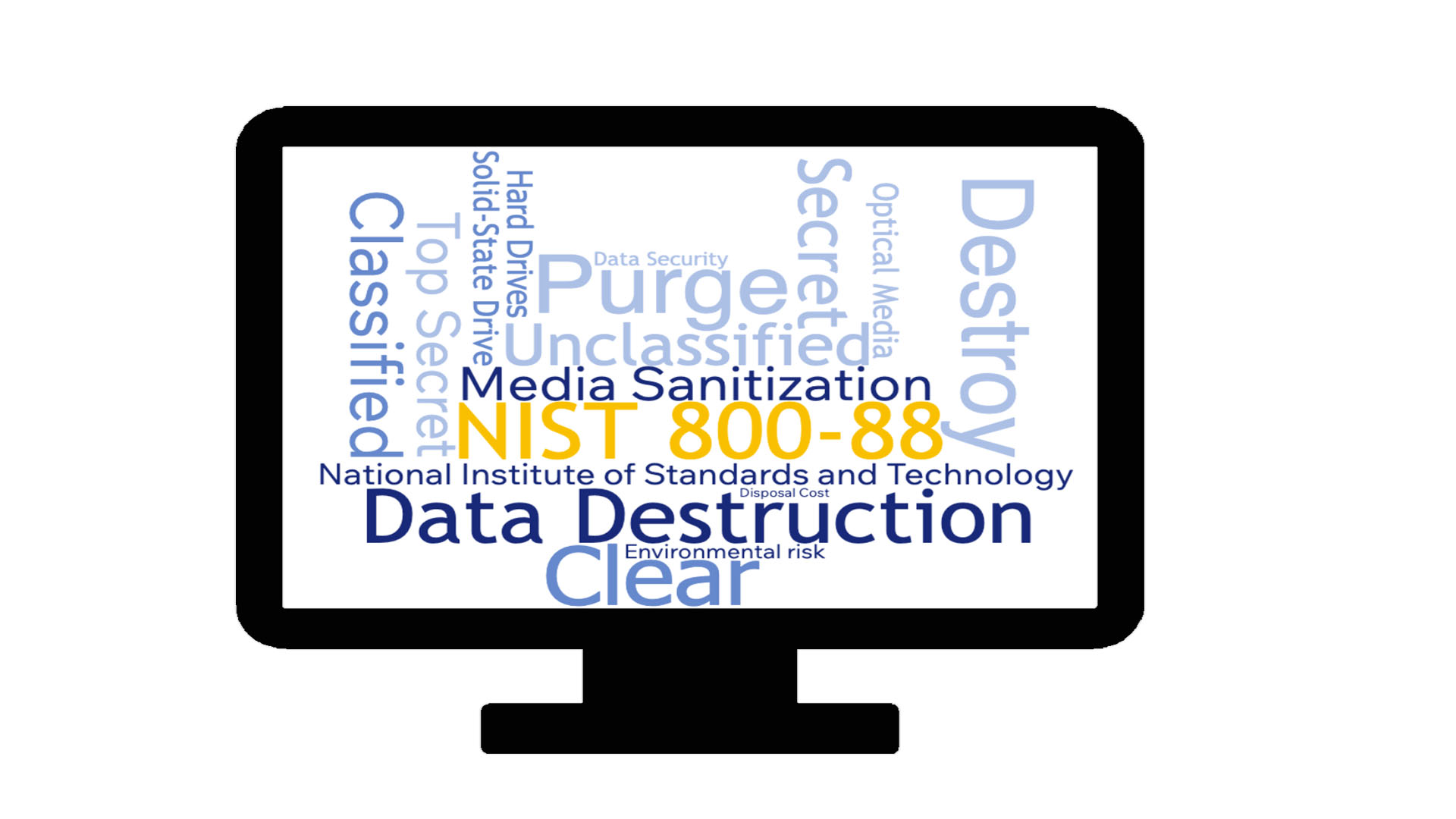
Every piece of data has a story. It can reveal confidential information about a person, a company’s strategy, or even larger societal patterns. However, not all data stories deserve to be preserved forever. When no longer relevant or secure, they need to be handled responsibly. This need brings us to the critical practice of secure data destruction.
Secure data destruction isn’t just an industry buzzword; it’s a lifeline for businesses and individuals striving to protect their sensitive information in an increasingly digital environment. Whether you’re a tech startup, a major enterprise, or an individual concerned about privacy, understanding the importance of secure data destruction can safeguard you from serious consequences like identity theft, data breaches, and legal liabilities.
This blog explores the what, why, and how of secure data destruction, going beyond the usual ‘best practice guide’ to reveal its profound role in modern data management.
What Is Secure Data Destruction?
Secure data destruction is the process of permanently removing or destroying data from storage devices and systems such that it is completely irretrievable. Think of it as the digital equivalent of shredding a sensitive paper document into tiny, unreadable pieces. However, in the digital world, “deleting” isn’t the same as “destroying.”
When you delete data from a device, it often remains accessible until overwritten. Specialized tools can recover these “deleted” files, making standard deletion an insufficient choice for confidential information. Secure data destruction ensures the data is eradicated beyond recovery, whether by software-based methods or physical destruction.
Types of Data That Require Secure Destruction
Any data you wouldn’t share with the public is a candidate for secure destruction, including:
- Customer and employee information
- Financial records
- Intellectual property
- Medical histories
- Legal contracts
- Trade secrets and strategic plans
Remember, if it’s sensitive, it’s worth destroying securely.
Why Secure Data Destruction Is Vital
Data breaches, accidental leaks, and unauthorized access to old records are costly, not just financially but also reputationally. Here are compelling reasons why secure data destruction is indispensable:
1. Avoid Legal and Compliance Risks
Data privacy is governed by strict regulations worldwide, such as GDPR in Europe, CCPA in California, and HIPAA in the U.S. for healthcare data. Failure to securely destroy sensitive information after its intended use violates these regulations, leading to hefty fines and legal actions.
For example:
- The European GDPR imposes penalties as high as 20 million euros or 4% of annual turnover for non-compliance.
- The CCPA allows lawsuits on behalf of California residents for data misuse, potentially exposing businesses to costly litigation.
Investing in secure data destruction mitigates costly non-compliance risks.
2. Safeguard Against Data Breaches
Data breaches are alarmingly common. According to IBM’s “Data Breach Report,” the global average cost of a data breach in 2023 hit $4.45 million. Hackers target improperly disposed of devices, especially hard drives, for traces of private information. Without secure data destruction, even discarded or outdated technology becomes a goldmine for cybercriminals.
3. Protect Your Reputation
A tarnished reputation can be difficult to recover from. If improperly discarded data resurfaces and leads to breaches, stakeholders, customers, and partners may lose trust in your operations. Securely destroying data shows that your organization values privacy and security, fostering stronger relationships with all stakeholders.
4. Save Storage Costs
Storing outdated data comes at a cost. Maintaining massive amounts of unnecessary information on storage devices or cloud servers consumes both physical space and ongoing resources. Secure destruction clears the clutter, saving time, energy, and money.
5. Ensure Complete Digital Footprint Erasure
This isn’t just about businesses. Individuals, too, need secure destruction to ensure sensitive information on old devices (smartphones, laptops, external drives) doesn’t fall into the wrong hands. It’s peace of mind, literally pressed into a single button—or metal shredder.
Exploring Methods of Secure Data Destruction
Contrary to the image of simply “hitting delete,” safe data destruction involves advanced techniques that obliterate recoverability. Here’s a breakdown:
1. Overwriting
Overwriting involves replacing existing information with random characters multiple times. Certified tools (e.g., DBAN) ensure compliance with data destruction standards. While ideal for reusable media like hard drives, it’s less effective for damaged devices.
2. Encryption Before Disposal
Encrypting files before deletion adds an extra layer of protection, making recovered data unreadable without a decryption key. Many organizations now use this practice to mitigate risks further.
3. Physical Destruction
When software-based methods are impractical, physical destruction eradicates any possibility of recovery. Common methods include:
- Shredding: Industrial-grade shredders physically break hard drives into fragments.
- Crushing: Special machinery crushes storage devices, ensuring they can’t be reassembled.
- Degaussing: A strong electromagnetic field erases data by removing magnetic properties from storage media like hard drives.
4. Cloud Data Deletion Protocols
For cloud users, secure deletion requires transparency from service providers. Ensure that cloud services adhere to ISO and SOC compliance standards, emphasizing secure deletion practices when requested by users.
What’s the Right Method for You?
Choosing a method depends on your resources and how critical the data is. For sensitive professional data, a combination of encryption, overwriting, and physical destruction offers maximum security.
Not Just a Technical Procedure, But a Mindset
Secure data destruction is more than a technical process; it involves fostering a mindset of responsibility. Organizations should educate employees, establish company-wide data retention policies, and involve certified professionals for large-scale tasks.
Pro Tip: Certifications like NAID AAA (National Association for Information Destruction) or ISO 27001 indicate standards-compliant services.
Practical Example
Imagine a healthcare company upgrading its aging servers. Before reselling old servers, they partner with a certified destruction provider. By doing so, any stored patient data is erased, complying with HIPAA regulations and safeguarding against illegal data recovery.
This approach isn’t just an operational best practice; it’s a demonstration of integrity and care toward customer privacy.
How to Bring Secure Data Destruction Into Your Business
Secure data destruction is a must in today’s interconnected world. But how do you start?
- Audit Your Data: Identify what’s critical or outdated.
- Choose the Right Destruction Method: For smaller tasks, software may suffice. For bulk data, partner with certified professionals.
- Integrate Into a Lifecycle Policy: Ensure every digital asset has a retirement plan that includes secure destruction when necessary.
- Partner With Experts: Service providers specializing in secure data destruction can bring the needed expertise and certifications to ease compliance and efficiency concerns.
By building secure data destruction into your operations, you safeguard your business, customers, and reputation.
Final Thoughts on Secure Data Destruction
Secure Data Destruction is the digital equivalent of shredding confidential documents — essential for keeping your information safe. Whether it’s personal files or business records, simply hitting delete doesn’t guarantee protection. From meeting compliance requirements to preventing identity theft, proper data disposal is a non-negotiable step. Ignoring it can lead to costly breaches and damaged reputations.
Make secure data destruction part of your workflow today. Not sure where to begin? Start by consulting professionals in secure destruction services and clearing unnecessary data clutter.