

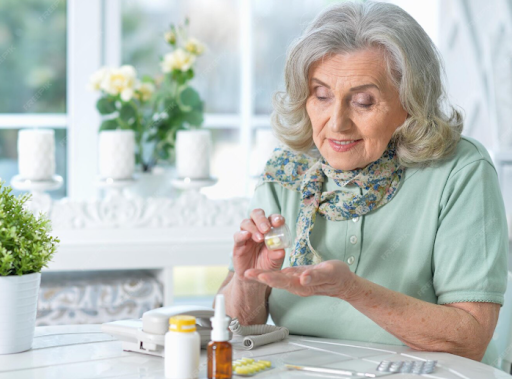
Picture the typical medical cannabis patient and there is a good chance the image that comes to mind is a younger person. That assumption is significantly out of date. Across the United States, adults over the age of 60 have quietly become one of the fastest growing segments of the medical cannabis population, and the trend shows no sign of slowing. These are people who grew up during a period when cannabis was treated as a dangerous drug with no legitimate medical value, and many of them spent decades dismissing it entirely. What changed is not the plant. What changed is the reality of getting older, running out of satisfactory options for managing pain and sleep and anxiety, and finally deciding that the stigma they had carried for sixty or seventy years mattered less than feeling well again. For a growing number of them, the first practical step has been obtaining a medical marijuana card online through a telemedicine service that makes the process accessible without requiring a trip across town to an unfamiliar clinic.
This article is about that shift. It is about why older adults are turning to medical cannabis in increasing numbers, what conditions are driving that decision, what the specific considerations are for this population compared to younger patients, and what a senior patient or their adult child researching options on their behalf actually needs to know before getting started.
The Health Landscape of Getting Older
Aging brings with it a remarkably consistent set of health challenges. Joint pain and arthritis arrive for most people somewhere in their fifties or sixties and rarely leave. Sleep becomes lighter and more fragmented. The medications prescribed to manage one condition begin interacting with the medications prescribed to manage another, and the cumulative side effect burden grows heavier with each passing year. Anxiety, often dismissed as something only younger people deal with, is actually extremely common in older adults, frequently tied to grief, isolation, reduced independence, or the weight of managing multiple chronic conditions simultaneously.
Then there is neuropathic pain, the burning and tingling that accompanies conditions like diabetic neuropathy or post-herpetic neuralgia, which affects older adults at higher rates and responds poorly to most standard treatments. There is the general stiffness and reduced mobility that accumulates gradually. There is the loss of appetite that can accompany certain medications or illnesses. And underneath all of it, there is often a deep fatigue from decades of managing discomfort with treatments that help a little but never quite enough.
None of these are abstract problems. They are the day-to-day reality of millions of older Americans, and they collectively represent a population with both a strong need for better symptom management and, increasingly, a genuine openness to exploring options they once would have dismissed without a second thought.
What Is Actually Drawing Seniors Toward Cannabis
When researchers and healthcare providers ask older adults why they started using medical cannabis, a few themes appear with striking consistency. The first is exhaustion with pharmaceutical side effects. Many seniors are managing five, six, or more prescription medications simultaneously, and the cumulative impact on digestion, cognition, energy, and balance is real and significant. Cannabis, especially CBD-dominant formulations, offers symptom relief through a different mechanism with a side effect profile that many older patients find considerably more manageable.
The second theme is opioid avoidance. The opioid crisis hit older adults hard, and many in this age group have watched friends or family members struggle with dependency following legitimate pain prescriptions. The desire to manage chronic pain without opioids is a powerful motivator, and cannabis represents one of the few alternatives with meaningful clinical backing for conditions like arthritis, neuropathy, and post-surgical pain.
The third theme is word of mouth. Seniors are talking to each other. In retirement communities, church groups, family gatherings, and over backyard fences, older adults are sharing their experiences with medical cannabis in ways that carry far more credibility than any advertisement or clinical trial. When a 72-year-old woman tells her neighbor that her hip pain is better and she is finally sleeping through the night, that conversation changes minds in a way that formal health messaging never quite manages.
The Conditions Most Commonly Treated in Older Cannabis Patients
Arthritis and Joint Pain
Osteoarthritis is the single most common chronic health condition among adults over 65. It affects the knees, hips, hands, and spine with a grinding persistence that limits mobility and makes simple daily tasks genuinely painful. Cannabis, particularly topical CBD preparations applied directly to affected joints and oral formulations taken regularly for systemic anti-inflammatory effect, has shown real benefit for arthritis patients. Many older adults use cannabis topicals in the morning to reduce morning stiffness and oral tinctures or capsules in the evening to manage pain well enough to sleep comfortably, an approach that requires no inhalation and fits naturally into an existing medication routine.
Sleep Disruption
Sleep architecture changes significantly with age. Older adults spend less time in deep slow-wave sleep, wake more frequently during the night, and tend to wake earlier in the morning than they would prefer. The prescription sleep medications most commonly offered for these problems, benzodiazepines and Z-drugs like zolpidem, carry serious risks for older adults including increased fall risk, cognitive impairment, and genuine dependency. Cannabis, at low doses taken before bed, has helped many older patients fall asleep more easily and stay asleep longer without the next-morning grogginess and fall risk associated with pharmaceutical alternatives.
Neuropathic Pain
Diabetic neuropathy, post-herpetic neuralgia following shingles, and chemotherapy-induced peripheral neuropathy are all conditions that affect older adults at disproportionately high rates and respond poorly to most conventional treatments. The evidence for cannabis in neuropathic pain is among the strongest in the medical cannabis literature, and for older patients who have exhausted other options, it represents a genuinely meaningful alternative. The burning, stabbing, and electric shock sensations of neuropathy are among the most distressing pain experiences a person can have, and any meaningful reduction in that symptom burden has an outsized impact on daily functioning and quality of life.
Appetite Stimulation and Weight Maintenance
Unintentional weight loss and reduced appetite are significant health concerns in older adults, particularly those managing cancer, HIV, or the aftermath of major surgery. THC is a well-established appetite stimulant, and for patients whose nutritional status is compromised by illness or treatment, the ability to feel hungry and enjoy food again is not a trivial benefit. It connects directly to recovery, immune function, energy levels, and overall resilience.
Important Differences Between Older and Younger Cannabis Patients
Treating older adults as simply older versions of younger patients leads to mistakes. There are specific physiological and pharmacological factors that make the senior cannabis patient experience genuinely different, and being aware of them from the beginning prevents the kind of negative first experiences that cause people to give up on something that could actually help them.
Slower Metabolism and Longer Duration of Effects
As the body ages, liver function changes and drug metabolism slows down. This means that cannabis compounds, particularly when consumed as edibles or capsules, take longer to process and remain active in the system for a longer period than they would in a younger adult. An older patient who takes an edible and feels nothing after an hour may take another dose, not realizing the first is still on its way. The result can be an unexpectedly intense experience that is frightening even if it is not medically dangerous. The solution is patience and conservative dosing, starting lower and waiting longer before concluding that a dose has not worked.
Increased Fall Risk with THC
Falls are one of the leading causes of serious injury and hospitalization in older adults, and THC at higher doses can affect balance, coordination, and reaction time. This does not mean older adults cannot use THC; it means they need to be thoughtful about timing and dose. Using THC-containing products in the evening while seated or lying down, rather than during the day when they need to be mobile and active, is a sensible precaution. CBD-dominant products used during the day carry far less fall risk and are appropriate for daytime symptom management.
Drug Interactions
Older adults take more medications than any other age group, and cannabis, particularly CBD, can inhibit certain liver enzymes responsible for metabolizing many common drugs. Blood thinners like warfarin, certain heart medications, and some seizure drugs are among the substances that can be affected. This is not a reason to avoid cannabis, but it is an absolute reason to have an honest and complete conversation with your prescribing physician before adding it to your regimen. Any physician who dismisses the question or refuses to engage with it is doing their patient a disservice.
A practical starting point for older adults new to medical cannabis: begin with a CBD-only product in a low dose for the first two weeks, observe how your body responds, and introduce small amounts of THC only in the evening once you are comfortable with how CBD affects you. Keep your primary care physician informed throughout the process.
Navigating the Process When You Are Starting From Zero
For someone in their sixties, seventies, or beyond who has never set foot in a dispensary and has no framework for thinking about cannabis as medicine, the process can feel foreign and overwhelming. This is one area where the shift to telemedicine-based medical cannabis evaluations has made an enormous difference. The prospect of driving to an unfamiliar clinic and discussing personal health conditions with a stranger in an unfamiliar environment is a meaningful barrier for older patients, particularly those with mobility limitations or transportation challenges.
Being able to complete a medical evaluation from a laptop or tablet at home, speak with a licensed physician in a private and comfortable setting, and receive a recommendation digitally removes most of those barriers in one step. Adult children of older parents are often the ones who first research this option and then help their parent navigate the sign-up and evaluation process. It is worth knowing that the physicians conducting these evaluations are experienced in working with older patients and are accustomed to patients who come in with no prior cannabis knowledge and a lot of questions.
Once authorized, older patients also benefit from calling the dispensary ahead of their first visit to let staff know they are a senior patient new to cannabis. Most dispensaries will connect them with a staff member experienced in working with medical patients and older adults, someone who will take the time to explain product options clearly, recommend starting points appropriate for their age and condition, and answer questions without making them feel rushed or judged.
The Quiet Revolution Happening in Plain Sight
Something genuinely significant is happening among older Americans and their relationship with cannabis, and it is happening largely without fanfare. It is not driven by culture or trend. It is driven by pain, by sleeplessness, by the side effects of aging and the medications meant to address it, and by the very human desire to feel better and live fully for as many years as possible. The fact that it is older adults doing this, people who spent most of their lives in a world where cannabis carried serious stigma, makes it all the more remarkable.
For any older adult currently managing chronic pain, poor sleep, anxiety, or any of the other conditions discussed in this article, the conversation about medical cannabis is worth having with a licensed physician sooner rather than later. Obtaining a medical marijuana card online through a reputable telemedicine service takes a fraction of the time and effort that it once did, and the physician evaluation that comes with it ensures that the approach is tailored to the individual patient rather than borrowed from someone else’s experience.
A Final Note for Family Members Supporting an Older Loved One
If you are an adult child or caregiver reading this on behalf of an older parent or relative, your support in this process matters more than you might realize. Many older adults are interested in exploring cannabis but hesitate because they feel embarrassed to bring it up with their doctor, uncertain about how to navigate a system they know nothing about, or quietly worried about what family members will think.
Normalizing the conversation, offering to sit with them during a telemedicine evaluation, helping them understand how the dispensary works on their first visit, or simply listening without judgment can make the difference between a person who finds relief and a person who suffers unnecessarily because the barrier to access feels too high. The evidence supporting medical cannabis for the conditions most common in older adults is real, the process of getting authorized is more straightforward than most people expect, and the potential for meaningful improvement in daily comfort and quality of life is genuine. That is a combination worth taking seriously at any age.