

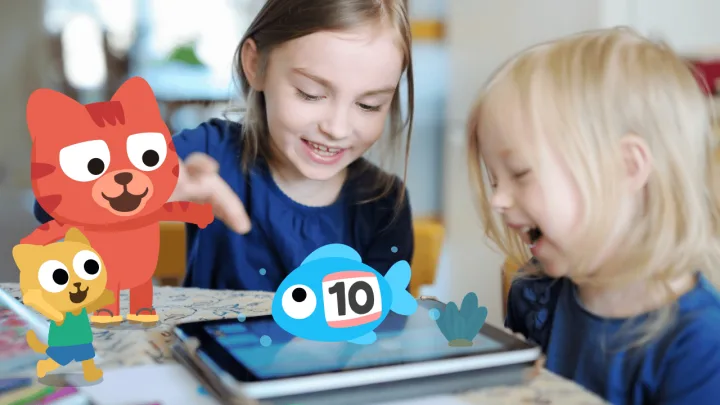
If you’ve ever tried teaching your child a new language with a workbook and flashcards, you probably saw how fast their attention wandered. And it’s not their fault. Kids don’t learn by sitting still and memorizing—they learn by moving, playing, laughing, and repeating. That’s why the way we teach foreign languages needs to meet kids where they are.
Today’s world is more connected than ever. Children are growing up hearing multiple languages on TV, at school, and even in their own neighborhoods. They’re ready for it—but only if we give them tools that actually work.
This is where Studycat comes in. It’s a playful, hands-on app that teaches language in a way kids love. No dry lessons. No pressure. Just colorful, game-like learning that feels like fun—and in 2025, it’s ahead of the curve.
Why Early Language Learning Matters More Than Ever
Kids’ brains are made for learning languages. Before age seven, they soak in sounds, rhythms, and sentence patterns naturally. They don’t worry about mistakes or stress over grammar—they just imitate, explore, and use what they hear.
But learning a second language does more than add words to their vocabulary. It helps kids grow mentally. They become better problem-solvers. They can shift attention more easily between tasks. And they learn how to listen—not just with their ears, but with their minds.
Language also opens emotional doors. A child who can understand another culture’s way of speaking is often more patient and thoughtful. They start to see things from someone else’s point of view.
And that’s the goal: not just knowing how to say “apple” in Spanish, but helping kids become curious, compassionate thinkers.
What Makes Studycat Different in 2025
There’s no shortage of educational apps these days—but very few are designed just for young learners. Studycat is.
Right from the first screen, it feels like a game—not a lesson. Children pick a character, hear new words, and start swiping, matching, and speaking. Before long, they’re singing along and using vocabulary in ways that stick.
Studycat’s language offerings include English, Spanish, French, German, and Chinese. Each course is split into small, playful units based on themes like food, animals, or colors—so kids can relate and remember easily.
One feature that’s been a standout in 2025: parents can manage the app in 35+ languages. That means no matter where your family is from, you’ll feel at home inside the dashboard. It’s an especially helpful option for bilingual or multilingual households.
The app is also ad-free and kid’s safe, which gives parents peace of mind while their child explores independently.
And the learning doesn’t stop when the screen goes off. Many of the app’s lessons encourage offline play, like drawing a picture of a word they just learned or finding that object in real life. It’s a smart bridge from digital to hands-on experience.
Making Learning Feel Like Play
The best part? Your child won’t even realize they’re studying. That’s how well-designed Studycat is. The activities feel like games—touch this, match that, repeat the phrase—so the lessons never feel forced.
In 2025, personalization is sharper than ever. The app notices when a child struggles with a word and gently circles back to reinforce it later. No judgment, just helpful repetition wrapped in colorful animation.
There’s also a built-in voice feature that listens as your child practices speaking. It doesn’t just test—it encourages. Kids get used to hearing their own voice in another language, which builds comfort and confidence over time.
And yes, offline access is available. Whether you’re stuck in traffic, waiting at a restaurant, or flying across the country, Studycat goes with you—no Wi-Fi needed.
Real-Life Hurdles and How Studycat Handles Them
Every parent has hit a bump when trying to add something new to their child’s routine. But Studycat was built with that in mind.
- Busy schedule? Lessons are quick. Ten minutes a day is enough to make progress.
- Worried about screen time? The app is purpose-driven and encourages breaks.
- Is your child losing motivation? Virtual badges, songs, and silly characters keep them excited to come back.
- Using more than one language at home? Studycat keeps each course clean and separate, so kids don’t mix things up.
And if you’re unsure about paying for an app right away, no problem. Studycat offers a free trial, so you can try it before committing. That’s been a big relief for families who want to find the right fit first.
If you’re currently researching kids foreign language tools that actually work without overwhelming your child, this is one of the most parent-friendly platforms available.
Tips for Weaving Language Learning Into Daily Life
The best results happen when the learning doesn’t just stay in the app—it comes to the dinner table, the park, or the backseat of the car.
Try these:
- Name what you see: At breakfast, use new food words. “This is ‘leche’—do you remember what that means?”
- Make it silly: Use stuffed animals to act out conversations. Kids love it—and it reinforces speaking.
- Go on scavenger hunts: Ask your child to find something blue, round, or small in your home using words from their lesson.
- Repeat together: Say a word they learned, then let them say it louder—or funnier. Laughter helps memory.
- Celebrate effort: No need to wait for perfect pronunciation. Cheer them on just for trying.
Over time, these little habits build big confidence.
The Big Picture: Lifelong Benefits
The longer you stay with a second language, the more it gives back. Kids who begin learning early tend to test better across subjects. Their attention spans are stronger. They adapt faster in new situations.
Socially, it makes a huge difference. Speaking another language builds bridges. Whether it’s a friend from another country or a trip abroad, kids can engage more fully.
Later in life, being bilingual or multilingual can open doors to universities, jobs, and career paths that are simply out of reach for others.
And there’s something personal, too. Kids feel proud when they speak in another language. It gives them a sense of independence and possibility.
That’s why so many families turn to Studycat as their go-to for the best foreign language learning experience available for children right now.
Final Words
You don’t need a classroom or a private tutor to teach your child another language. You just need the right mix of fun, structure, and consistency.
Studycat brings that blend to life. It’s friendly. It’s smart. And best of all, it meets your child where they already are—playing, exploring, learning one tap at a time.
Try it out. Let your child press play, laugh, and learn. You’ll be surprised how fast they start speaking.
And you might even find yourself learning something new right alongside them.