

Is your roof showing signs of wear and tear? Are you waiting for the “right time” to finally schedule that much-needed replacement?
Many homeowners delay roofing projects, unsure of when to act. But here’s the truth:
Summer is the best season to get it done.
Not just because the sun is out, but because the advantages during this time of year are real, measurable, and potentially money-saving.
Let’s break down why booking your roof replacement in summer is a decision you won’t regret.
1. Weather Conditions Are Ideal
Think about this: Would you rather have a crew on your roof during a snowstorm or a sunny afternoon?
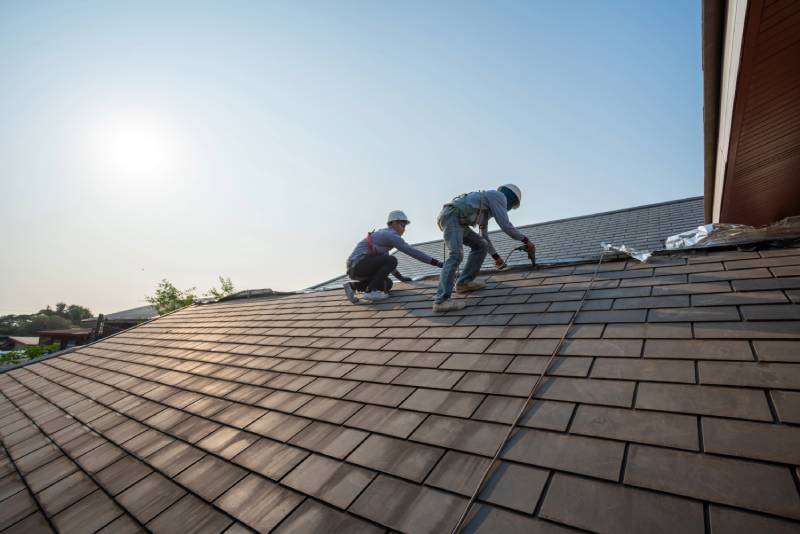
Summer offers consistent, dry weather that’s perfect for roofing.
Benefits of dry weather:
- Fewer delays: Rain can halt roofing work entirely. A dry summer day keeps the project on track.
- Better material performance: Shingles and adhesives seal more effectively in warm temperatures.
- Safer working environment: Roofing teams are less likely to slip or encounter dangerous conditions.
Example: The Met Office reports that July is one of the driest months in the UK, averaging just 38mm of rainfall. Compare that to December’s 73mm, and the picture becomes clearer.
2. Longer Daylight Hours Speed Up Work
More sunlight means more time to work.
Why that matters:
- Faster completion times: With daylight stretching past 9 pm in midsummer, crews can work longer without rushing.
- Less disruption: The job is completed quickly, reducing noise and inconvenience to your household.
Quick stat: On the summer solstice, parts of the UK enjoy up to 17 hours of daylight. In winter, that drops to as little as 7 hours.
3. Early Booking Secures Top Contractors
The best roofing companies get booked up fast in summer.
So why is that a benefit?
Beat the rush:
- Booking early in summer gives you access to top-tier roofers.
- Late summer or autumn bookings often mean longer waits or second-choice contractors.
Pro tip: Chris from Roofing Wimbledon (roofingwimbledon.co.uk) recommends to book by late spring or early June to avoid the mid-season backlog.
4. You Avoid Emergency Repairs in Winter
Waiting until autumn or winter can be risky.
Ask yourself: What happens if your roof fails during a storm?
Summer replacement helps you:
- Prevent water damage from winter leaks.
- Avoid emergency call-outs, which are costlier.
- Protect insulation and structural timbers from rot and mould.
Real-life example: A family in Manchester delayed roof repairs until October. Heavy rain caused a major leak, damaging their loft insulation and ceiling plaster. Their final repair bill was double the original quote.
5. Energy Savings Kick In Immediately
A new roof isn’t just protection—it’s energy efficiency.
Here’s how:
- Modern materials reflect heat more efficiently.
- Better insulation reduces heat loss in winter and heat gain in summer.
- Lower energy bills start as soon as the new roof is installed.
Did you know? Upgrading your roof can cut heat loss by up to 25%, according to the Energy Saving Trust.
6. Easier Scheduling for You and Your Family
Summer tends to be a quieter time for most households.
That works in your favour:
- Children are on school holidays, so you can plan around the work.
- You’re less likely to need heating, making interior work easier if necessary.
- Holiday time gives you flexibility to oversee the project or get away while it’s being done.
Question to consider: Would you rather manage a major home project during December’s rush or July’s calm?
7. Materials Are Readily Available
The roofing supply chain runs smoother in summer.
Why that matters:
- No shipping delays due to icy roads or seasonal demand spikes.
- Bulk availability of tiles, shingles, and insulation materials.
- Faster turnarounds, as suppliers stock up in anticipation of summer work.
Note: Many suppliers offer summer deals or discounts on bulk roofing orders—savings that contractors may pass on to you.
8. Better Results From Installation
Roofs installed in warm weather tend to last longer. Here’s why:
- Sealants cure properly, bonding securely to surfaces.
- Shingles lay flat, preventing future warping or blow-offs.
- Roofers work more efficiently, with less risk of error under pressure.
Case in point: Bitumen-based membranes bond best between 20–30°C—conditions most likely found in summer.
9. Summer Projects Boost Home Value Faster
Thinking of selling? A summer roof replacement can give your property a competitive edge.
Benefits for sellers:
- Kerb appeal improves immediately, with a fresh, clean-looking roof.
- Survey issues are avoided, reducing sale complications.
- Energy improvements are a great selling point in listing descriptions.
Estate agent tip: A new roof can add up to 3% to a home’s market value and reduce time on the market.
10. You’ll Be Prepared for Autumn Storms
The UK’s storm season typically ramps up in September and October.
Why wait for problems to arise?
Be proactive:
- Secure your home before high winds hit.
- Prevent falling tiles, blocked gutters, and water ingress.
- Sleep better knowing your roof is winter-ready.
Stat to think about: Storm Babet in October 2023 caused over £300 million in insured home damages. Many of those could have been prevented with summer maintenance.
Questions to Ask Before Booking
Want to make the most of your summer roofing project? Ask yourself:
- Have I checked multiple quotes and contractor reviews?
- Is my current roof over 20 years old?
- Am I noticing leaks, sagging, or missing tiles?
- Do I plan to sell or renovate soon?
The answers will help guide your next step.
Take Action Now—Before the Queue Builds
Roof replacements aren’t something to rush—but they also shouldn’t be delayed until it’s too late.
Summer offers the perfect balance of weather, convenience, cost-efficiency, and performance.
If your roof is nearing the end of its life, don’t wait for the rain to make the decision for you.
Call a trusted roofer today. Ask about availability, warranty options, and materials. Get your quote and get on the schedule.
The sunshine won’t last forever—but a strong, well-built roof certainly will.