

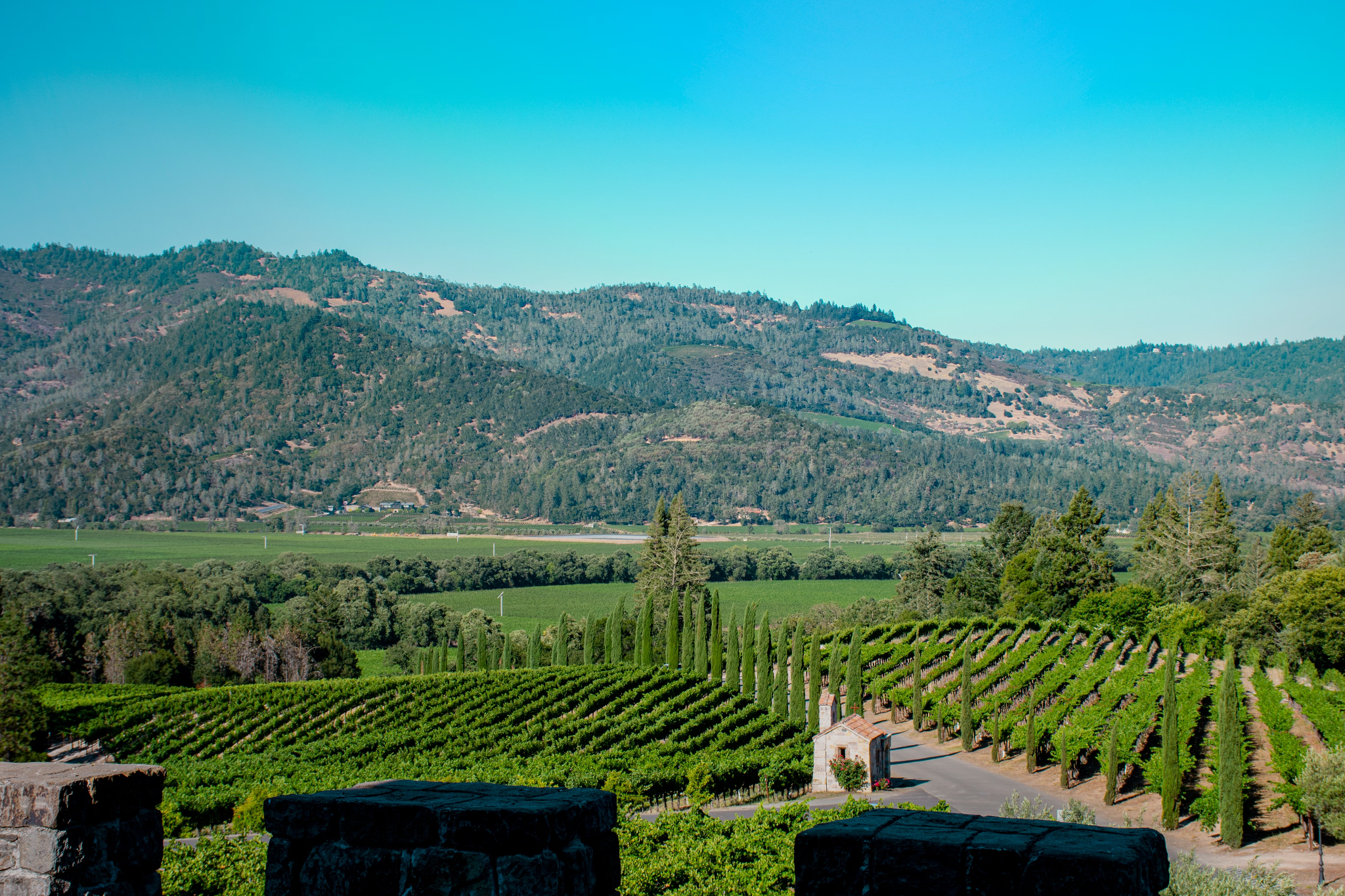
California wine country is not a single destination. It is four genuinely different experiences spread across a state of extraordinary geographic and climatic variety — each with its own character, its own signature varietals, and its own version of what a great wine weekend looks like.
Napa Valley. Sonoma County. Paso Robles. Santa Barbara. The names are familiar to most wine travelers. What is less understood, until a visitor has been to more than one of them, is how completely different each one feels in person — and how much that difference matters when planning where to spend the time.
Napa Valley — The Flagship Experience
Napa Valley is where California wine earned its global reputation, and it has never stopped justifying it. The valley’s Cabernet Sauvignon — particularly from the Rutherford, Oakville, and Stags Leap District AVAs — produces wines of structure, complexity, and aging potential that consistently rival the finest Bordeaux and attract collectors and wine enthusiasts from around the world.
The infrastructure for visitors in Napa is more developed than in any other California wine region. Cave tastings, private vineyard tours, estate hotels, and a dining scene anchored by multiple Michelin-starred restaurants in Yountville — these are the elements that make Napa the benchmark against which every other California wine region is measured.
The tradeoff is cost and crowds. Peak-season Napa requires advance planning across every category, and the experience of visiting during a busy summer weekend is meaningfully different from the same trip in March or October. Travelers who plan carefully and visit at the right time receive the experience the valley’s reputation promises.
Sonoma County — The Rewarding Alternative
Sonoma County is often positioned as the more relaxed, more accessible alternative to Napa. This description is accurate as far as it goes — the atmosphere is more casual, the tasting fees are generally lower, and the county’s scale and variety make it more forgiving to visit without a rigid schedule.
What the description misses is that Sonoma’s best wines are as serious as anything Napa produces. The Pinot Noir from Russian River Valley. The Zinfandel from Dry Creek Valley’s century-old vines. The Chardonnay from the Sonoma Coast’s fog-influenced hillside vineyards. These wines appear on the most serious restaurant wine lists in the country for the same reason they belong on any wine traveler’s itinerary.
Sonoma wine guides from Eat Sip Go organize recommendations by subregion — Russian River Valley, Dry Creek Valley, Alexander Valley, Sonoma Valley, and the Sonoma Coast — because the county is too varied and too good to treat as a single destination.
Paso Robles — The Wine Region Serious Travelers Are Discovering
Paso Robles lacks Napa’s global prestige and Sonoma’s name recognition among casual wine travelers, and it appears entirely unbothered by this fact. What it has is a concentration of Rhône-style wines — Syrah, Grenache, Mourvèdre, and their blends — made by producers who chose the region specifically because it allowed them to make the wines they wanted without the commercial pressures of the more celebrated appellations to the north.
The result is a wine region that rewards curiosity and punishes name-chasing. Tasting fees are lower than in Napa. The winery visits are more personal. The best producers are making wines that age exceptionally well at prices that would be considerably higher if the same bottles carried a Napa appellation.
For travelers who have explored Napa and Sonoma and are ready to discover what else California wine country can do, Paso Robles is the next destination.
Santa Barbara — Where Wine Country Meets the Pacific
Santa Barbara’s wine region sits inland from one of California’s most beautiful coastlines, and the particular combination it offers — Burgundy-style Pinot Noir and Chardonnay grown in the Santa Rita Hills and Santa Maria Valley, with the Pacific Ocean accessible in under 20 minutes — is unlike anything available in any other California wine region.
The cool, marine-influenced climate of these inland valleys produces wines of genuine distinction. They appear on serious restaurant wine lists nationally and internationally, but they are best experienced at the source, where the connection between the coastal landscape visible from the winery’s terrace and the wine in the glass is immediate and unmistakable.
How to Choose the Right California Wine Region
The most honest framework for choosing among California’s wine regions is to match the region to the experience the traveler actually wants, rather than defaulting to the most famous name.
Napa for the definitive Cabernet Sauvignon experience, polished hospitality, and world-class dining. Sonoma for variety, personal winery encounters, and a farm-to-table food culture that rivals any in the state. Paso Robles for discovery, value, and wines that reward the curiosity to look beyond the familiar appellations. Santa Barbara for the intersection of serious wine and California coastline at its most beautiful.
None of these regions requires prior knowledge of the others. Each one rewards being the only destination on a given itinerary — visited properly, with enough time to go beyond the surface. California wine country planning guides from Eat Sip Go cover the practical details for all four regions with the same firsthand depth.