

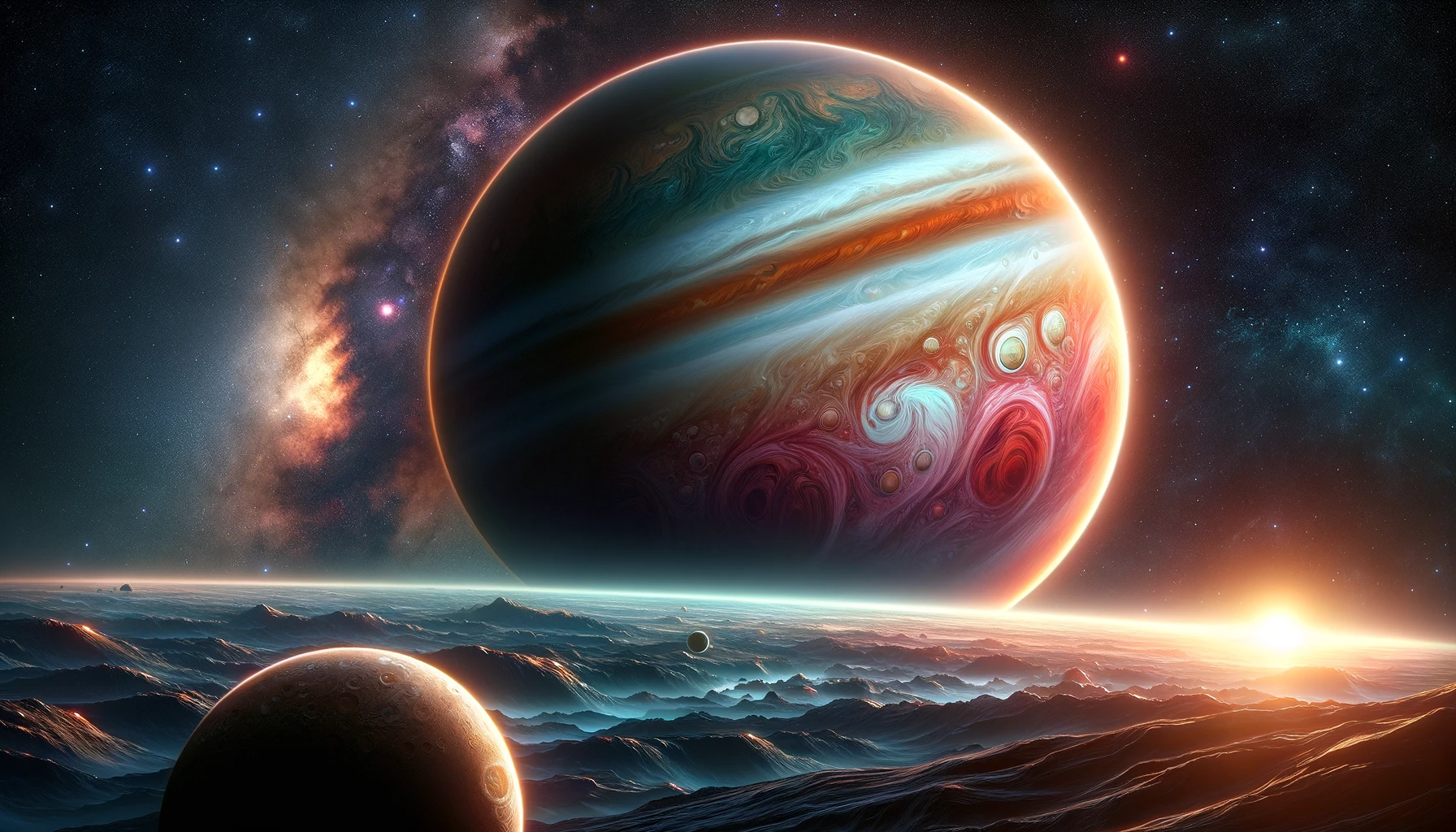
The boundless reach of human imagination fuels our fascination with life beyond Earth, captivating science fiction enthusiasts and scholars alike. Alexander Pazionis, a renowned expert in speculative fiction, explores the profound connection between world-building and the human psyche. As you delve into the depths of this genre, you’ll discover why the search for extraterrestrial life remains an enduring and powerful theme.
Exploring the Fascination: Why SciFi Craves Life on Other Planets
The Allure of the Unknown
Human imagination has always been captivated by the unknown, and the idea of life on other planets epitomizes this mystery. The vast expanse of the universe, with its infinite possibilities, challenges the boundaries of our understanding and fuels the desire to explore realms beyond our reach. This sense of wonderment encourages writers and creators in the sci-fi genre to envision worlds where extraterrestrial life thrives, offering readers and viewers a glimpse into what could exist beyond our earthly confines.
Cultural Reflections and Societal Exploration
Science fiction serves as a mirror reflecting societal hopes, fears, and aspirations. These narratives explore human nature and societal structures by depicting alien civilizations and societies. Imagining life on other planets allows examining cultural diversity, social hierarchies, and ethical dilemmas in an abstract context. This allegorical approach enables audiences to confront real-world issues in a speculative setting, often leading to greater introspection and understanding.
Inspiring Innovation and Scientific Curiosity
The portrayal of life on distant planets isn’t just a creative exercise; it also ignites scientific curiosity. Sci-fi narratives often inspire real-world technological advancements by fostering a sense of possibility and exploration. The concept of aliens and interplanetary travel encourages scientific inquiry into space exploration, astrobiology, and the potential for human colonization of other worlds. By envisioning life beyond Earth, sci-fi fuels the imagination and the pursuit of knowledge, driving innovation that may turn fiction into reality.
In summary, the sci-fi genre’s fascination with extraterrestrial life stems from a deep-rooted desire to explore the unknown, reflect cultural complexities, and inspire scientific advancement. Through this lens, the idea of life on other planets becomes more than mere fantasy; it is a rich tapestry that intertwines human curiosity with the quest for understanding the cosmos.
The Role of World-Building in Science Fiction
Creating Immersive Universes
World-building in science fiction is the foundation upon which imaginative narratives are constructed. It allows writers and readers alike to explore realms beyond Earth’s limitations, delving into the possibilities of life on other planets. This process involves crafting detailed environments, societies, and cultures that feel authentic and immersive. By constructing these intricate worlds, authors create a backdrop for their stories and challenge the boundaries of human understanding and imagination.
The meticulous development of alien ecosystems and civilizations reflects our innate curiosity about the universe and our place within it. World-building offers a platform for exploring complex themes such as ethics, identity, and humanity’s potential evolution in response to new environments. This exploration extends beyond physical landscapes, encompassing political systems, technological advancements, and social structures that provoke thought and discussion.
Engaging the Human Psyche
The allure of world-building in science fiction lies in its ability to captivate the human psyche. By presenting alternative realities, it invites readers to question their own beliefs and assumptions. Engaging with worlds that operate under different rules and norms allows for introspection and reconsidering what it means to be human. This engagement is a powerful tool for storytelling, as it encourages empathy and understanding across diverse cultures and species.
Moreover, world-building in science fiction often serves as a mirror, reflecting contemporary societal issues through an otherworldly lens. These narratives can offer fresh perspectives on real-world problems, fostering a deeper awareness and potential for change. By immersing readers in unfamiliar worlds, science fiction cultivates a sense of wonder and possibility, encouraging the exploration of both the cosmos and the intricacies of the human mind.
Alexander Pazionis on Crafting Otherworldly Realms
Unveiling the Creative Process
Alexander Pazionis, renowned for his imaginative prowess, delves into creating otherworldly realms with a distinctive approach. He emphasizes the significance of understanding the intrinsic relationship between the human psyche and the environments we construct in science fiction. According to Pazionis, crafting worlds that resonate with readers requires deeply exploring human desires and fears. This insight is pivotal in creating realms that not only captivate but also reflect the complexity of human nature.
Building the Foundations of Alien Worlds
The foundational step in Pazionis’s process is developing a world that mirrors human experiences. He believes a well-crafted alien ecosystem should embody the essentials of life as we know it, yet offer twists that challenge our perceptions. By intertwining elements of familiarity with the extraordinary, Pazionis ensures his worlds are both conceivable and exhilarating. This approach invites readers to explore the boundaries of their imagination while maintaining an emotional connection to the narrative.
The Interplay of Culture and Environment
Pazionis also highlights the crucial role of culture in his world-building process. He meticulously designs societies that reflect diverse social structures and cultural norms within these realms. The dynamic interplay between environment and culture is essential for creating believable worlds. This duality enriches the narrative and encourages readers to ponder the societal implications of extraterrestrial life. Such complexity in world-building allows audiences to engage with the narrative on multiple levels, fostering a deeper understanding of the fictional universe and the human psyche.
By integrating these elements, Pazionis crafts imaginative and profoundly human worlds, offering readers a unique lens through which to explore the alien and the familiar.
Final Thoughts
In exploring Alexander Pazionis’s insights on world-building and the human psyche, you uncover why science fiction often gravitates toward creating life on other planets. With its imaginative landscapes and diverse civilizations, this genre taps into your desire to explore the unknown and redefine what it means to be human.