

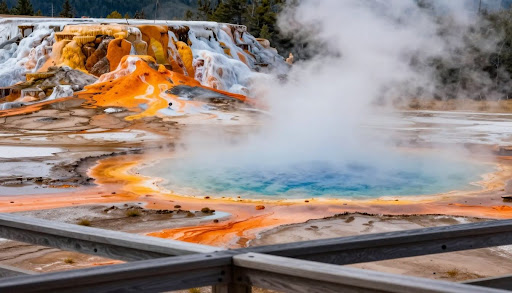
Imagine standing at the edge of Old Faithful, watching steam rise from the earth, but then spotting cracks in the boardwalk beneath your feet. Yellowstone National Park, America’s first national park established in 1872, has drawn millions for its wild beauty and geothermal wonders. Yet, after years of wear from crowds and weather, its bones are showing strain. That’s why the Yellowstone renovation pushes forward now in 2026, tackling deep-rooted issues to keep this treasure safe and welcoming.
These aren’t just surface-level touch-ups. The projects span roads, buildings, and utilities, all aimed at protecting the park’s resources while making visits smoother for you. In this piece, we’ll break down the key renovation zones, the hurdles teams face, and how these changes promise a brighter future for conservation and easy access.
Section 1: Addressing the Crumbling Infrastructure Crisis
Yellowstone’s setup has aged. Harsh winters, heavy use, and natural shifts have worn down key parts. The renovation steps in to fix that, starting with the basics.
The Deferred Maintenance Backlog: A National Park Service Challenge
The National Park Service juggles a huge backlog of fixes across its lands. At Yellowstone alone, it tops $500 million in unmet needs. Roads crumble, bridges rust, and water lines leak, risking safety and the environment.
Take the park’s 300-plus bridges. Many date back decades and can’t handle modern loads or floods. Crews now replace them with stronger designs that blend into the landscape. This backlog grew from budget cuts over time, but recent funds help chip away at it.
You might wonder why it took so long. Parks like Yellowstone see over 4 million visitors yearly, spreading resources thin. Still, these repairs ensure the park stays open and sturdy.
Revitalizing Lodging and Visitor Centers
Old Faithful Inn, a 1904 gem, gets a fresh look. Teams upgrade rooms for better access, swapping steps for ramps so everyone can enjoy it. Energy-saving windows and insulation cut down on heat loss in those cold nights.
The Lake Hotel follows suit, with seismic tweaks to stand up to quakes from the park’s active ground. These historic spots keep their charm but gain modern perks like efficient plumbing. No more dripping faucets or outdated wiring.
If you’re planning a trip, book early. Renovations phase in, so some areas close for months. Check the park’s site for dates, and consider camping as a backup. It lets you dodge disruptions and connect deeper with nature.
Modernizing Utilities and Sustainability Efforts
Water systems here pump from geothermal sources, but old pipes clog and waste. New treatment plants clean it better, serving lodges and camps without harm to streams. Sewage upgrades prevent spills that could taint hot springs.
Solar panels pop up on roofs, powering lights and pumps with clean energy. This cuts reliance on diesel generators that spew fumes. Wind turbines in remote spots add to the mix, aiming for 20% renewable use by 2030.
These shifts matter for the park’s wild side. Less pollution means healthier wildlife and clearer air. You breathe easier on hikes, knowing your visit helps the planet.
Section 2: Transforming Transportation and Visitor Access
Getting around Yellowstone means navigating 469 miles of roads, many twisting through valleys. But potholes and weak spots slow traffic and spark accidents. The renovation rebuilds them for smoother rides.
The Road to Resilience: Paving and Bridge Replacement Projects
The Grand Loop Road, the park’s main circle, sees major work. A 10-mile stretch near Norris Junction closes for two summers starting in 2026, with fresh pavement and drainage. This fights erosion from rain and snowmelt.
Bridge over the Firehole River gets a full redo. The old one, built in 1930, sags under weight. New steel beams and wider lanes allow safer crossings for cars and bison alike.
Timelines stretch over years to limit shutdowns. Summer construction wraps by fall, reopening for winter snowmobilers. Expect detours, but they come with views of fresh earthwork.
Enhancing Accessibility and Safety Features
Trails now meet ADA rules, with firm paths for wheelchairs near geysers. Boardwalks widen, and handrails add grip on slick spots. In geothermal zones, where steam burns skin, these changes save lives.
Overlooks get stable platforms, so you can snap photos without slipping. Signs warn of hazards clearer than before. It’s about letting all folks, from kids to elders, explore safely.
Have you slipped on a wet boardwalk? These upgrades prevent that, making every step sure.
Improving Connectivity: Technology Integration in the Backcountry
Radios for rangers reach farther now, thanks to new towers. In emergencies, like a lost hiker, signals zip through canyons. Public Wi-Fi spots at lodges help you share pics without roaming fees.
Backcountry gets basic cell boosts in key areas, but it stays limited to protect quiet. Satellites aid monitoring wildlife from afar. This tech keeps the park running without overwhelming its peace.
Section 3: Protecting Geothermal Features Through Upgrades
Geysers bubble and springs steam, but crowds trample the edges. Renovations shield these spots with care, using light-touch methods.
Boardwalk and Trail Stabilization in Geyser Basins
In the Upper Geyser Basin, wooden paths rot fast from heat and moisture. Teams swap them for durable composites that don’t warp or leach chemicals. This keeps heat in the ground where it belongs.
Midway Geyser Basin saw a full boardwalk swap in 2025. Now, views of Grand Prismatic Spring open wider, with fewer blind spots. Footprints stay contained, sparing the colorful edges.
These paths last longer, cutting repair needs. You walk steady, eyes on the show, not your feet.
Managing Visitor Flow Around Sensitive Features
Pathways reroute around thin sinter crusts, those glassy deposits from minerals. New spurs lead to safe viewpoints, spreading crowds out. Erosion drops as boots stick to marked routes.
Signs and apps guide you, suggesting less-packed times. This protects the land while letting you see more. Think of it as herding sheep to greener fields—everyone wins.
Section 4: Investing in Workforce and Research Facilities
Behind the scenes, staff need solid bases to do their jobs. Renovations build that support.
Upgrading Employee Housing and Support Structures
Dorms from the 1950s leak and lack heat. New builds add kitchens and Wi-Fi, drawing young workers. Permanent homes get insulation for year-round use.
Admin offices gain space for planning. This keeps teams sharp, from rangers to cooks. Happy staff mean better service for your park day.
Modernizing Research and Visitor Interpretation Centers
The Albright Visitor Center refreshes exhibits with interactive screens on wolves and eruptions. Labs at the Yellowstone Volcano Observatory install quake sensors for real-time data.
“These tools let us spot changes early, safeguarding the park’s heart,” says NPS engineer Maria Lopez. Upgrades aid studies on climate shifts too. You learn more at centers, turning visits into lessons.
Section 5: Funding the Future: Financial Strategies for Yellowstone
Money fuels these big changes. Sources mix government cash with outside help.
Leveraging Federal Funding Initiatives
The Great American Outdoors Act pours $1.9 billion yearly into parks since 2020. Yellowstone grabs chunks for roads and bridges, easing the backlog. Bipartisan support keeps it flowing.
Inflation cuts add to it in 2026 budgets. This steady stream lets planners map long hauls.
Public-Private Partnerships and Philanthropic Support
Yellowstone Forever raises millions for extras, like trail signs. Partners from hotels fund lodge tweaks. Donors see their gifts preserve views for all.
These ties speed projects without full tax burden.
Conclusion: A Sustainable Legacy for Yellowstone’s Next Century
The Yellowstone renovation fixes cracks, boosts safety, and guards wonders like geysers and wildlife. It ensures the park thrives amid growing visits. Expect some bumps from construction, but they pave a stronger path ahead.
These efforts secure Yellowstone’s magic for your grandkids. Plan your trip soon—check updates and pack patience. Visit now, and see the park reborn. What part calls to you most?