

Introduction
Finding a long-term home in Malta can be an exciting yet overwhelming experience. The islands offer a distinctive blend of Mediterranean charm, modern convenience and a wide range of housing options that appeal to professionals, expatriates, families and long-stay visitors. With its warm climate, English-speaking environment and thriving economy, Malta has become a preferred destination for those seeking stability without committing to property ownership. As demand for long stays continues to rise, the rental market has become increasingly diverse, making it possible for individuals to choose between coastal apartments, village homes, high-rise residences or character-filled traditional buildings.
Although the choice is extensive, securing the right long-term rental requires thoughtful planning. Prospective tenants must consider not only the type of property they want but also factors such as affordability, commute time, neighbourhood culture, access to amenities and contract conditions. Understanding how the local rental market works and how to evaluate properties confidently can help newcomers make more informed decisions. This guide explores the essential elements of long-term living in Malta, from property types to budgeting, researching reputable platforms and working effectively with agents. With a clear understanding of these aspects, tenants can begin their search feeling prepared and optimistic about finding a home that truly fits their lifestyle.
Understanding Malta’s Evolving Rental Landscape
Malta’s rental landscape has transformed significantly over the past decade. The growing presence of international businesses, language schools and digital industries has drawn a diverse population to the islands, increasing the demand for stable long-term housing. More locals are also choosing to rent instead of purchase due to lifestyle flexibility and market prices, resulting in a broader and more competitive selection of homes. What once consisted mostly of older-style apartments has now expanded into a market featuring contemporary residential blocks, townhouses restored with modern features and luxurious developments aimed at those looking for comfort and convenience.
The increase in demand has also made the rental process more structured, with clearer regulations and standardized contracts. Tenants now benefit from improved transparency in agreements and a wider understanding of tenant rights compared to earlier years. Despite these improvements, the speed at which desirable homes are rented means prospective tenants need to act efficiently when they find a place that suits their needs. Seasonal trends also influence availability, particularly in coastal towns where properties may shift between long and short stays depending on the time of year. Understanding these dynamics helps renters navigate the system with realistic expectations and a better sense of timing.
Types of Residences Available for Long Leases
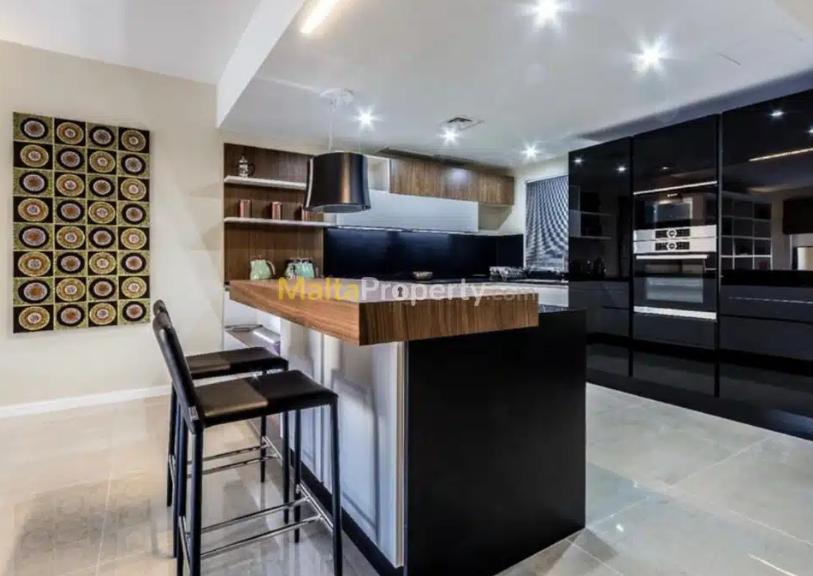
The variety of homes available in Malta ensures that nearly every lifestyle can be accommodated. Modern apartments are among the most sought-after options due to their convenience, energy efficiency and accessibility to schools, offices and entertainment. Many are located in lively urban hubs where amenities are within walking distance, making them ideal for individuals or couples. Penthouses offer a more elevated living experience, often including spacious terraces and panoramic views, appealing to those who prioritize outdoor space.
For tenants who prefer more independence and privacy, maisonettes provide a ground-level layout with separate entrances and, in some cases, private yards or roof access. Traditional townhouses remain a popular choice for people who appreciate original Maltese architectural features such as patterned tiles, wooden balconies and limestone walls. Villas, on the other hand, cater to those seeking large living areas, gardens or pools and are favored by families or long-term residents who want more room and tranquility. The rural side of Malta and Gozo offers farmhouses and converted stone properties that blend rustic charm with modern comforts. With such a diverse range of choices, renters can easily find a home suited to their lifestyle, budget and preferred environment.
How to Choose the Right Home for You: Key Factors to Assess
Selecting the right long-term residence involves understanding personal priorities and evaluating several practical considerations. When exploring Malta long term rentals, it helps to break down the decision-making process into clear steps that guide your search more efficiently.
Important factors to consider include:
- Location suitability: Choosing a location that aligns with your daily routine is essential. Proximity to work, public transport and essential services can greatly influence day-to-day comfort.
- Property size and layout: The number of rooms, overall layout and communal areas should match your lifestyle. For example, remote workers may require designated office space.
- Budget planning: Understanding your monthly spending limits helps narrow down suitable options. Rent varies significantly between areas, so balancing location and affordability is important.
- Long-term lifestyle preferences: Quiet residential streets, bustling urban areas or scenic coastal zones offer different experiences and should be considered based on personal comfort levels.
- Access to amenities: Supermarkets, schools, clinics and recreational facilities contribute to convenience and quality of life.
- Commute considerations: Travel times can vary across the island, so factoring in traffic patterns helps avoid unnecessary stress.
After evaluating these factors, tenants gain a clearer picture of what truly matters, allowing them to prioritise properties that genuinely fit their needs. This structured approach simplifies the search and increases the likelihood of finding a comfortable and practical long-term home.
Researching Your Options with Trusted Online Platforms
Online property platforms are indispensable tools for anyone searching for a long-term home in Malta. These platforms allow tenants to compare listings, filter properties by location, price or features and access fresh updates throughout the day. The wide range of available listings makes it easier to understand market conditions and identify homes that match specific needs. Many websites offer high-quality photos, floor plans and detailed descriptions that help renters form initial impressions before scheduling viewings.
Among the platforms available, some stand out due to their consistency, thoroughness and the expertise behind them. One such example is a long-established real estate service that has operated in Malta for more than three decades and built a reputation for transparent guidance. Their online database contains tens of thousands of active listings updated throughout the day, ensuring that users can browse a wide selection of apartments, townhouses and villas at any time. Their property specialists provide personalised advice to help renters interpret market trends and make confident decisions. While the article is not promoting any single service, it is worth noting that platforms managed by experienced professionals contribute greatly to a smoother and more informed rental search.
Budgeting for Life on the Island: Understanding Costs and Malta long term rentals Options
Budgeting properly is a key part of securing the right long-term home. Rental prices in Malta vary depending on the area, property type, size and overall demand. Central locations typically command higher prices, while villages and less densely populated areas offer more affordable choices. When exploring Malta long term rentals, tenants should consider not only the monthly rent but also additional expenses such as utilities, waste collection fees, internet subscriptions and building maintenance charges. These costs can vary significantly depending on the age and efficiency of the property.
Security deposits and advance payments are another financial element to plan for. Landlords usually request one or two months of rent as a deposit, which is returned at the end of the tenancy if the property is well maintained. Tenants should also account for potential furnishing costs if choosing an unfurnished home. Parking availability can affect budgeting too, especially in busy districts where private parking spaces add convenience but also increase costs. By preparing a realistic budget and understanding market price ranges, renters can avoid financial strain and remain focused on choosing a home that offers long-term comfort and stability.
Popular Regions and What They Offer
Malta is made up of distinct regions, each offering its own atmosphere, amenities and character. Central areas such as Sliema, Gzira and St Julian’s are known for their lively environments, modern properties and a wide selection of restaurants and entertainment venues. These spots attract professionals and expatriates who enjoy urban convenience and easy access to public transport. Rent in these areas tends to be higher but reflects the level of accessibility and activity.
The northern part of Malta, including Mellieha and St Paul’s Bay, appeals to those who prefer a slower pace with scenic coastal views. These towns offer a mix of older residences and newer developments and are popular among families and long-stay residents who value open spaces. Southern towns like Marsascala and Marsaxlokk offer a more traditional Maltese atmosphere, with village squares, local markets and quieter neighbourhoods. These areas tend to provide more affordable rental options while still maintaining access to essential services.
Gozo, Malta’s sister island, is an attractive alternative for individuals seeking tranquility and natural landscapes. Its farmhouses, village homes and seaside apartments provide a peaceful lifestyle. Understanding the character of each region helps renters make more informed choices based on their personal preferences.
Working with Agents and Digital Property Websites Effectively
Rental searches often become more efficient when combining professional guidance with online research. Real estate agents can offer valuable insight into current availability, neighbourhood dynamics and legal requirements. They can also coordinate viewings, negotiate terms and clarify contract details. When researching online, tenants can easily compare property features, track market prices and prepare questions for agents based on what they have seen.
One example of a service contributing positively to the rental experience is a long-standing Maltese real estate organisation known for its wide property database and attentive support. Their website offers round-the-clock access to thousands of listings and allows users to refine searches by location, size and price. The team behind the platform consists of professionals who take time to understand renter needs and provide honest evaluations. The company manages several branch offices across Malta and Gozo, making in-person assistance accessible when needed. Although this article does not promote any single service, it recognises the value that knowledgeable teams and well-structured platforms bring to the rental journey.
By combining online tools with agent expertise, tenants create a more complete picture of the market and increase their chances of securing a suitable long-term home quickly.
Preparing for Viewings and Assessing Property Quality
Property viewings allow renters to evaluate essential details that are not always visible online. This stage provides a clearer understanding of the property’s condition, management, and suitability for daily living.
- Inspect Key Interior Features: Examine natural lighting, ventilation, noise levels, water pressure, electrical outlets, and the condition of appliances. These elements influence comfort and may help identify underlying maintenance issues.
- Evaluate Building Management: Ask about maintenance routines, rubbish collection schedules, and any communal rules. Such insights reveal how well the property and shared spaces are cared for.
- Observe Cleanliness and Upkeep: General organisation, cleanliness, and visible wear provide clues about long-term management and the landlord’s attention to property care.
- Assess Outdoor Areas: Check balconies, terraces, or gardens for privacy, sunlight exposure, and signs of structural wear. Outdoor areas should balance appeal with practical safety and usability.
- Discuss Responsibilities Clearly: Address concerns with the agent and clarify repair and upkeep duties. Understanding these responsibilities helps prevent future disputes.
- Measure Spaces Practically: Measure room sizes and consider whether personal furniture and layout preferences fit comfortably. This ensures the space can meet functional needs.
A structured, checklist-based approach helps renters make viewing decisions grounded in clear observation rather than assumptions. By evaluating both the property and its management thoroughly, tenants can choose a home that supports long-term comfort and practicality.
Lease Agreements, Tenant Rights and Responsibilities
Understanding the terms of a lease agreement is essential before committing to a property. Contracts in Malta typically outline details such as rental duration, payment schedules, deposit conditions, maintenance expectations and procedures for renewal or termination. Tenants should review each clause carefully and seek clarification when needed. It is also important to confirm that the agreement will be registered with the appropriate authority, as this ensures the tenancy is protected under Maltese law.
Tenants have responsibilities that include maintaining the property, reporting damages promptly and respecting neighbours and building rules. Landlords, in turn, must ensure the property is safe, functional and compliant with legal standards. Discussing responsibilities regarding repairs, appliance servicing and utility billing can help avoid confusion later on. Renters should also be aware of notice periods and any conditions associated with early termination. Keeping a copy of all signed documents, receipts and inventory lists provides additional protection.
By approaching the lease agreement with attention to detail and a willingness to ask questions, tenants can enter their tenancy with greater confidence. Clear understanding strengthens the tenant–landlord relationship and contributes to a stable and positive long-term living experience.
Final Thoughts
Securing a long-term rental in Malta becomes much easier when tenants approach the process with preparation and awareness. Understanding market trends, evaluating property types and comparing regions helps narrow down choices in a structured manner. Careful budgeting ensures that renters can enjoy comfort without financial strain, while thoughtful viewing practices allow them to assess homes realistically. Clear communication with agents and an understanding of legal requirements further contribute to a smooth transition into long-term living.
Reliable research tools play an important role as well. Some established real estate platforms in Malta have spent decades developing extensive property databases and knowledgeable teams who guide renters with transparency and professionalism. These platforms provide consistent updates, personalised insights and access to thousands of listings, making the search process more efficient for individuals with varying preferences and budgets. With branch offices across the islands and accessible digital interfaces, such services remain valuable references for anyone navigating the rental market.
By combining personal research, practical assessment and informed guidance, renters can find a long-term home that supports their lifestyle and provides lasting comfort. Malta offers a diverse selection of residences, and with the right approach, tenants can feel confident about settling into a space that truly feels like their own.