

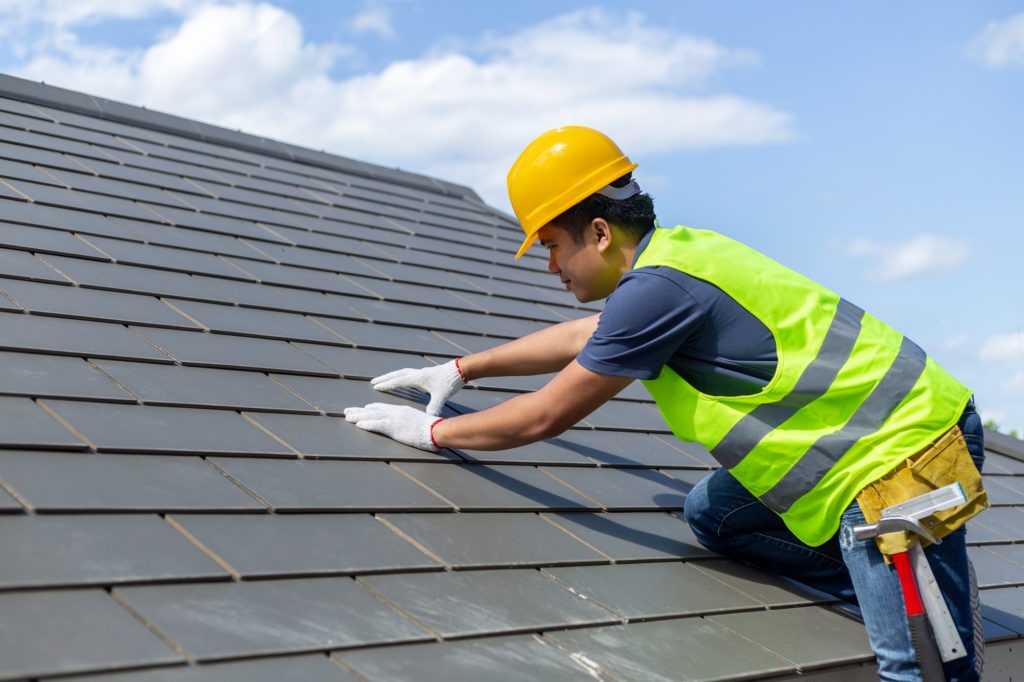
Replacing a roof is one of the most important investments a property owner can make. Whether you’re dealing with storm damage, an aging structure, or simply upgrading your home’s exterior, understanding the roof replacement process is key to making smart, informed decisions.
At RA Woodall Roofing, we believe homeowners deserve clarity and confidence before starting a roofing project. This guide covers the ten most important things to know before replacing your roof and answers common questions along the way.
What Is Roof Replacement?
Roof replacement involves completely removing all existing roofing materials down to the roof deck and installing new components such as:
- Flashing
- Underlayment
- Shingles or roofing panels
Unlike minor repairs or re-roofing (which adds a new layer over old materials), a full replacement addresses structural issues and ensures your home’s long-term protection.
10 Things to Consider When Replacing Your Roof
1. When Does a Roof Need to Be Replaced?
Most roofs last 20 to 30 years, depending on materials and maintenance. Signs you may need a replacement include:
- Frequent leaks
- Broken or missing shingles
- Sagging or soft spots on the roof deck
- Loss of shingle granules
- Visible mold or rot
If your roof is near the end of its lifespan or has widespread damage, full replacement is usually more cost-effective than ongoing repairs.
2. Which Materials Are Commonly Used for Roofing?
Popular roofing materials include:
- Asphalt Shingles – Affordable and versatile
- Metal Roofing – Long-lasting and energy-efficient
- Slate or Tile – Extremely durable and visually striking
- Wood Shakes – Natural, rustic look (requires more maintenance)
Each material offers a different blend of cost, durability, and aesthetic appeal. Your choice should reflect your budget, climate, and home style.
3. What Is the Cost of Replacing a Roof?
Roof replacement costs depend on the roofing material, size of the home, labor rates, and geographic location. Average price ranges include:
- Asphalt shingles: $5,000–$12,000
- Metal roofing: $10,000–$25,000
- Slate/tile roofing: $15,000–$40,000+
Always get multiple quotes from licensed contractors to compare value and service.
4. How Long Does Roof Replacement Take?
Most residential roof replacements are completed in 1–3 days. However, larger or complex roofs may require additional time.
Delays can be caused by:
- Bad weather
- Hidden structural issues
- Material delivery schedules
5. Is Roof Replacement Messy and Noisy?
Yes. You should expect:
- Loud hammering and vibrations
- Falling debris
- Temporary clutter around your property
Professional contractors like RA Woodall Roofing take precautions to protect landscaping and perform a full cleanup afterward.
6. Do I Need a Permit to Replace My Roof?
In most cases, yes. Local building codes often require a permit for roof replacement.
Your contractor will typically:
- Obtain all necessary permits
- Schedule any required inspections
- Ensure compliance with local regulations
7. Should I Stay Home During Replacement?
You can stay home, but expect significant noise throughout the project.
Consider alternative arrangements if you:
- Work from home
- Have young children or pets
- Are sensitive to loud sounds
8. Will Insurance Cover Roof Replacement?
It depends on the cause of damage. Most insurance policies cover roof replacement if damage results from:
- Hail
- Wind
- Fire
- Falling trees
Routine aging and wear are not covered. Review your policy and speak with your insurer before scheduling work.
9. How Do I Choose a Roofing Contractor?
Choose a contractor who is:
- Licensed and insured
- Experienced with your roof type
- Well-reviewed and reputable
- Offering warranties on both labor and materials
Ask for references and examples of previous projects.
10. What Maintenance Is Needed After Replacement?
To extend the life of your new roof:
- Schedule annual inspections
- Clean gutters regularly
- Repair minor issues promptly
- Trim overhanging tree limbs
Routine maintenance ensures your investment continues to protect your home for decades.
Frequently Asked Questions
How do I know if my roof needs repair or replacement?
Minor damage (e.g., a few missing shingles) may only require repairs. However, if there are leaks, widespread damage, or aging, replacement is often the better option.
Can I install a new roof over my old one?
Sometimes, yes. But removing the old roof is recommended for:
- Inspecting the roof deck
- Ensuring proper installation
- Avoiding future structural issues
What should I ask my contractor before starting?
Ask about:
- Estimated timelines
- Cleanup procedures
- Insurance and licensing
- Warranties offered
- Permitting and code compliance
How do I prepare my home for roof replacement?
- Cover valuables in your attic
- Move outdoor furniture and vehicles
- Keep children and pets indoors
- Remove fragile wall hangings
What happens if it rains during the project?
Roofers monitor the weather. If rain begins:
- Your roof will be tarped and protected
- Work will pause until conditions are safe
Conclusion
Replacing your roof is a major decision—but with the right preparation and a trusted contractor, it doesn’t have to be overwhelming. By understanding the process, budgeting appropriately, and asking the right questions, you’ll ensure a successful project that adds value, protection, and curb appeal to your home.
If you’re considering a roof replacement, RA Woodall Roofing is here to help. Our team of licensed professionals will guide you every step of the way—starting with a free consultation.