

Introduction
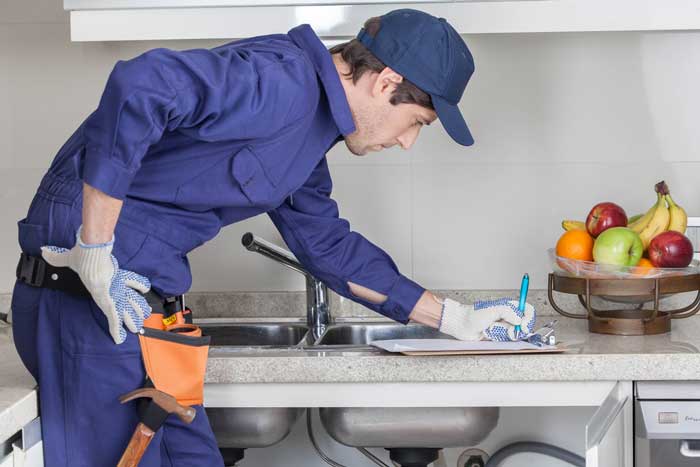
Plumbing emergencies can strike at any time, often catching homeowners unprepared and causing significant stress. While some issues can be resolved with a bit of DIY know-how, others may require the expertise of a professional. Understanding the common plumbing emergencies and how to handle them not only minimizes damage but also reduces the cost and inconvenience associated with repairs. This comprehensive guide delves into five prevalent plumbing crises, offering practical advice on immediate actions, preventative measures, and when to seek professional help.
Burst Pipes
Causes of Burst Pipes
Burst pipes are one of the most damaging plumbing emergencies, often leading to extensive water damage if not addressed promptly. Common causes include:
– Freezing Temperatures: In colder climates, water within pipes can freeze and expand, causing the pipe to burst.
– Corrosion: Over time, metal pipes may weaken due to corrosion, making them susceptible to bursting.
– High Water Pressure: Excessive pressure can cause pipes to fail, especially if they are old or damaged.
Immediate Actions to Take
When faced with a burst pipe, swift action is critical:
– Shut Off the Main Water Supply: Locate your home’s main water valve and turn it off immediately to prevent further flooding.
– Drain the System: Open all taps and faucets to drain remaining water from the system.
– Call a Professional: Contact a licensed plumber such as Plumbing Force for expert repair.
Long-term Solutions and Prevention
Preventing future bursts involves:
– Insulating Pipes: Use foam or fiberglass insulation on exposed pipes, especially in unheated areas like attics or basements.
– Regular Maintenance: Schedule annual inspections with a plumber to assess pipe condition and identify potential issues early.
Clogged Drains
Identifying a Clogged Drain
Signs that you may have a clogged drain include:
– Slow-draining water in sinks or tubs.
– Unpleasant odours emanating from drains.
– Gurgling noises when water is flowing.
Quick Fixes for Clogged Drains
While severe clogs may require professional intervention, try these quick fixes first:
– Plunger: A trusty plunger can often dislodge blockages in sinks or toilets.
– Baking Soda and Vinegar: Pour half a cup of baking soda followed by half a cup of vinegar down the drain. Wait 15 minutes, then flush with hot water.
– Drain Snake: A manual or electric snake can reach deeper blockages in pipes.
Preventative Measures
To avoid future clogs:
– Avoid pouring grease or oil down the drain as they solidify and cause blockages.
– Use drain strainers to catch hair and debris before they enter the plumbing system.
Leaking Faucets
Understanding the Causes of Leaks
Leaky faucets are not only annoying but also wasteful. Common causes include:
– Worn Out Washers: Constant friction can wear out washers over time.
– Corroded Valve Seat: The valve seat connects the faucet to the spout; corrosion here can cause leaks.
– Loose Parts: Regular use can loosen parts inside the faucet mechanism.
DIY Repair Tips
For minor leaks, consider these DIY solutions:
– Replace Washers or O-Rings: Turn off the water supply, disassemble the faucet, and replace worn components.
– Tighten Components: Ensure all parts are securely fastened during reassembly.
When to Call a Professional
If leaks persist despite your efforts, or if you notice significant corrosion or damage, it’s wise to call a professional plumber for repair or replacement.
Overflowing Toilets
Common Causes of Toilet Overflows
Toilet overflows are generally caused by:
– Blockages from excessive toilet paper or foreign objects.
– Malfunctioning float mechanisms that regulate water levels.
Steps to Stop an Overflow
In case of an overflow:
1. Turn Off the Water Supply: Locate the shut-off valve behind your toilet and turn it clockwise.
2. Use a Plunger: Attempt to clear minor blockages with vigorous plunging.
3. Check Float Mechanism: Ensure it moves freely without obstruction.
Preventing Future Incidents
Prevent overflows by:
– Educating family members on proper toilet usage—no flushing non-flushable items!
– Conducting regular checks on toilet mechanisms for wear and tear.
Water Heater Malfunctions
Signs of Water Heater Problems
Recognizing potential water heater issues early prevents bigger problems later:
– Inconsistent water temperature or lack of hot water.
– Strange noises such as popping or rumbling during operation.
– Leaks around the base of the heater.
Temporary Solutions and Safety Precautions
If your water heater malfunctions:
– Turn off power supply (electric heaters) or gas supply (gas heaters).
– Drain tank if leaking persists; connect hose to drain valve at bottom.
Maintenance Tips for Longevity
Extend your water heater’s lifespan by:
– Flushing tank annually to remove sediment build-up.
– Inspecting anode rods every few years; replace if corroded.
Conclusion: Being Prepared for Plumbing Emergencies
In conclusion, understanding how to handle common plumbing emergencies empowers homeowners with confidence and readiness when facing unexpected issues. By taking immediate action where possible, implementing preventative measures, and knowing when to seek professional assistance—homeowners can minimize disruption while protecting their property from costly damages.