

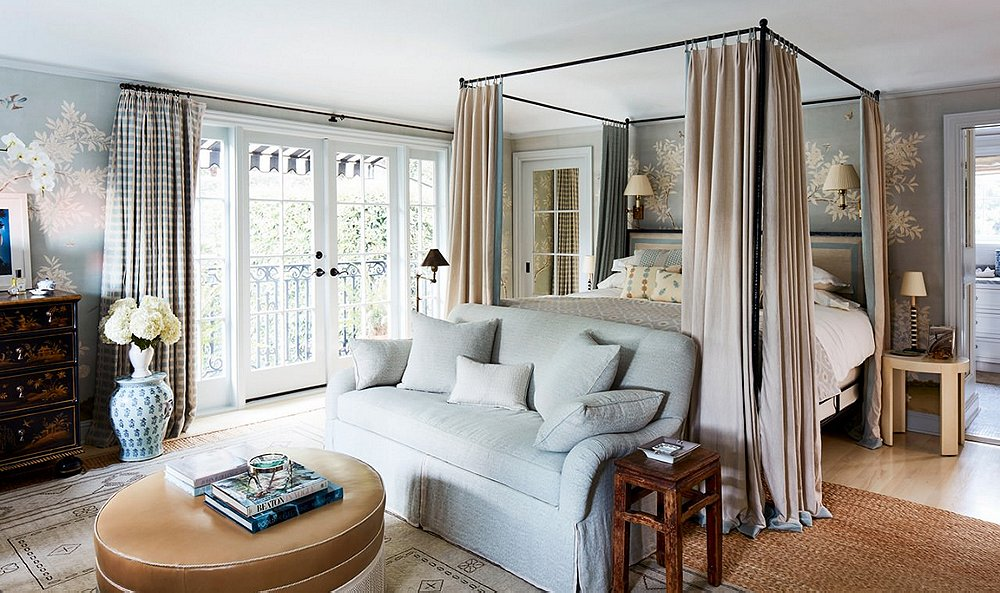
Introduction
The bedroom is often regarded as a personal sanctuary, a space where we unwind, recharge, and experience restful sleep. However, in the quest to create an ideal sleeping environment, many overlook the broader aspects of bedroom design that can enhance both aesthetics and functionality. This guide explores how to design a dreamy bedroom centered around your ideal bed, ensuring every element contributes to comfort, style, and relaxation.
Understanding the Importance of a Bedroom Sanctuary
Creating a sanctuary within your bedroom goes beyond merely arranging furniture or selecting colors. A well-designed bedroom fosters relaxation and promotes better sleep quality, which is crucial for overall health and well-being. According to the National Sleep Foundation, a conducive sleep environment can significantly impact sleep duration and quality.
Key Elements of a Bedroom Sanctuary
– Comfort: Ensure every element, from your bed to bedding, supports restful sleep.
– Aesthetics: A visually pleasing space enhances relaxation.
– Functionality: The room should support your lifestyle needs while being easy to navigate.
Choosing the Right Bed for Your Lifestyle
The bed serves as the focal point of any bedroom design; therefore, selecting the right one is essential for both comfort and style.
Bed Types and Their Benefits
– Platform Beds: These beds offer a modern aesthetic with low profiles and built-in storage options.
– Canopy Beds: Ideal for creating a dramatic effect, these beds can also provide privacy with drapery.
– Adjustable Beds: Perfect for those who require custom positions for sleeping or watching TV.
– Sleigh Beds: Characterized by their curved headboards and footboards, these beds add elegance to classic designs.
When choosing a bed type, consider factors such as room size, personal style preferences, and how you typically use your bed beyond sleeping.
Selecting the Perfect Mattress
Once you have chosen your bed frame, the next step is selecting the right mattress—a critical component that directly affects your sleep quality.
Mattress Materials Explained
– Memory Foam: Known for its contouring abilities, it provides excellent support and pressure relief.
– Innerspring: Traditional mattresses featuring coils; known for their bounce and breathability.
– Latex: Offers durability and responsiveness while being naturally hypoallergenic.
– Hybrid: Combines memory foam or latex with innerspring coils for balanced support.
When selecting a mattress, consider your sleeping position (side, back, or stomach), firmness preference, and any specific health concerns like back pain.
Bedding Essentials: Creating Comfort and Style
Bedding plays a vital role in both comfort and visual appeal. The right combination can transform your bed into an inviting oasis.
Key Bedding Components
1. Mattress Protector: Guard against spills, allergens, and wear.
2. Fitted Sheet: Choose high-thread-count cotton or linen for breathability.
3. Flat Sheet: Adds an extra layer of comfort; consider color or pattern to match decor.
4. Duvet/Comforter: Opt for materials that suit your climate—down for warmth or lighter fabrics for summer months.
5. Pillows: Invest in quality pillows that suit your sleeping style (e.g., firm for back sleepers).
Layering bedding not only adds visual depth but also allows you to adjust warmth levels throughout the year.
The Role of Color Psychology in Bedroom Design
The colors you choose can significantly impact mood and sleep quality. Color psychology suggests that certain hues evoke specific emotions:
Color Recommendations
– Soft Blues: Promote calmness and tranquility—ideal for bedrooms.
– Warm Neutrals: Create an inviting atmosphere without overwhelming visuals.
– Earthy Greens: Enhance relaxation while connecting to nature.
– Gentle Pinks or Lavenders: Foster a sense of peace while adding subtle warmth.
When selecting colors, consider how they will work together within your space and their ability to create a cohesive look.
Lighting: Setting the Mood for Your Dreamy Space
Lighting is crucial in establishing the ambiance of your bedroom. Effective lighting should be layered to accommodate different activities:
Lighting Types to Consider
1. Ambient Lighting: General overhead lighting sets the overall mood (e.g., ceiling fixtures).
2. Task Lighting: Focused lights (like bedside lamps) facilitate reading or working in bed.
3. Accent Lighting: Highlight decorative elements (like artwork) with wall sconces or dimmable lights.
Consider installing dimmers to adjust brightness levels according to time of day or activity.
Incorporating Personal Touches and Décor
Personalizing your space is essential in transforming it from merely functional to truly reflective of your personality.
Ideas for Personalization
– Artwork: Hang pieces that inspire you or evoke pleasant memories.
– Textiles: Use cushions or throws in unique patterns that add texture.
– Plants: Introduce greenery with houseplants that purify air while adding life to the décor.
– Photographs: Display cherished moments in stylish frames on walls or dressers.
These personal touches will not only enhance aesthetics but also create an emotional connection with your space.
Maximizing Space and Functionality
A well-designed bedroom should be both beautiful and functional—especially if space is limited.
Tips for Space Efficiency
– Multi-functional Furniture: Consider beds with built-in storage drawers or ottomans that double as seating.
– Wall-mounted Shelves: Free up floor space while providing storage for books or decor.
– Under-bed Storage Solutions: Utilize bins or boxes under the bed to store seasonal items or extra linens.
By maximizing functionality without sacrificing style, you can create a dreamy bedroom that meets all your needs.
Maintaining Your Dreamy Bedroom Environment
Once you’ve designed your ideal bedroom, maintaining it is crucial for preserving its inviting atmosphere.
Regular Maintenance Tips
1. Cleaning Routine: Vacuum regularly to prevent dust accumulation; wash bedding weekly.
2. Declutter Frequently: Keep surfaces clear by removing unnecessary items regularly.
3. Refresh Décor Seasonally: Change out small decor items or bedding seasonally to keep the space feeling new.
Investing time in maintenance ensures that your dreamy bedroom remains inviting and enjoyable over time.
By focusing on these aspects when designing your bedroom around your ideal bed, you not only create a visually stunning space but also cultivate an environment conducive to restfulness and rejuvenation. With thoughtful planning and attention to detail, transforming your bedroom into a sanctuary is entirely achievable—making it much more than just a place to sleep but rather an essential part of your daily life experience.