

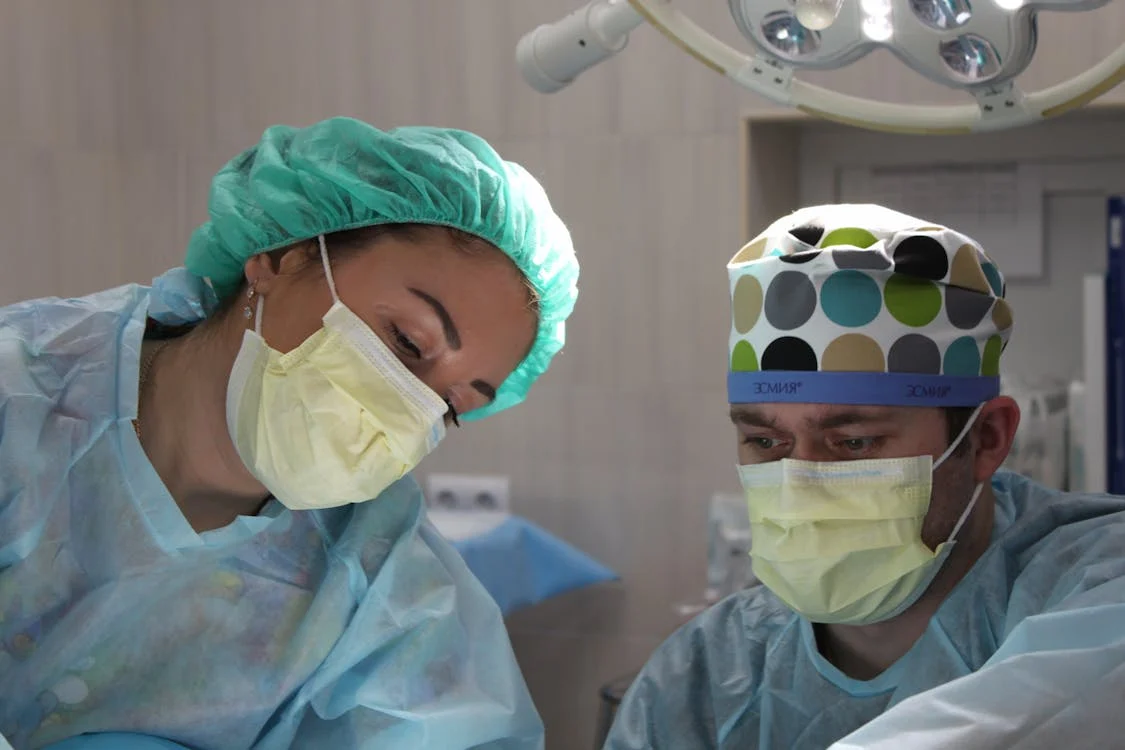
Recovery is never easy after a big surgery, as recovery after abdominal surgery brings many changes that the body shows through simple signs. Each signal can guide toward healthier healing or warn of a problem. Many people focus on the cut itself and miss other clues in the body. Knowing what each signal means helps you stay safe and recover well. Watching for these signs gives clear information about how the body heals and what steps come next.
1. Sharp Pain Near the Incision Site
After abdominal surgery, the body can send a sharp pain signal close to the cut. This pain after colon resection feels sudden and strong around the incision line. A steady ache is normal as tissues heal, but a sharp pain that grows worse over days requires attention. That pain can come if muscles pull at the healing wound or if the body fights an infection at the site. Each step, such as standing or lifting, can stretch the skin and muscles around the cut, causing sharp pain. Noticing when the pain changes helps decide if more rest or a doctor’s visit is needed. This signal reminds us that rest, gentle cleaning, and simple pain relief can help tissues seal properly and avoid extra pressure on the healing spot.
2. Swelling and Hardness in the Belly
A swollen belly often follows abdominal surgery as the body stores fluids to mend tissues. That fluid buildup makes the belly feel tight and firm. Some firmness helps protect internal parts while healing. However, if the belly grows more swollen and feels very hard, it can show trapped gas or a fluid pocket called a seroma. Trapped gas gives a bloated feeling that can soften or shift when moving or lying down. A fluid pocket stays in one spot and does not move. That firmness shows that the body’s healing process needs extra help to drain or move the fluid. Clear signs of firmness help decide if simple rest and gentle care are enough or if medical attention is required.
3. Changes in Gut Movement
After abdominal surgery, the body often slows down the gut’s motion as tissues settle. This change makes digestion take longer, causing a delay for the first bowel movement or passage of gas. That wait can last for a day or two, and it feels like the belly is quiet. If the gut remains quiet for more than three days, the body shows that internal movement needs help. Small steps like gentle walks around the room and sipping clear fluids help jumpstart the gut. A lack of appetite also joins this signal to show that food is not moving through the digestive tube yet. Once gas passes or a soft stool appears, the body signals that digestion is on its way back to normal. Each change in gut movement tells how fast healing happens.
4. Low Energy and Drowsiness
Feeling very tired or drowsy after abdominal surgery helps the body focus on healing. Each tissue needs energy to repair itself, and the body pulls fuel from reserves to do that work. This signal can feel like a desire to rest all day, with eyes heavy even after a full night’s sleep. Resting often and allowing calm sleep support the body’s work. However, if low energy continues for more than a week or causes shortness of breath with light movement, this signal shows a need to check blood levels or breathing function. A drop in red blood cells after surgery can cause extra tiredness. Eating protein-rich foods and simple iron sources like soft-cooked meats or leafy greens supports energy to rebuild cells.
5. Mild Fever or Body Temperature Changes
A mild fever often appears when the body fights bacteria near the cut or inside. After abdominal surgery, a slight rise in temperature up to 100.4°F (38°C) can come as part of normal healing. That small fever shows that immune cells rush to the surgery site to mend tissues. However, if the fever climbs above 100.4°F or stays high for more than a day, the body signals a possible infection. Chills or sudden shivers alongside a higher fever strengthen that warning. Keeping a simple thermometer nearby helps watch these changes. A small cold drink and light blankets ease the body’s need to cool down when the fever spikes. Noticing temperature changes early guides when to reach out to a health provider.
Conclusion
Each signal your body sends after abdominal surgery provides important information about your healing process. Sharp pain near the incision may indicate strain or infection, while a mild fever reflects your immune system at work, but can also warn of complications. Paying attention to these signs helps ensure a safer, smoother recovery and supports your body in healing with less worry. If any symptoms worsen or cause concern, don’t hesitate to seek medical advice.