

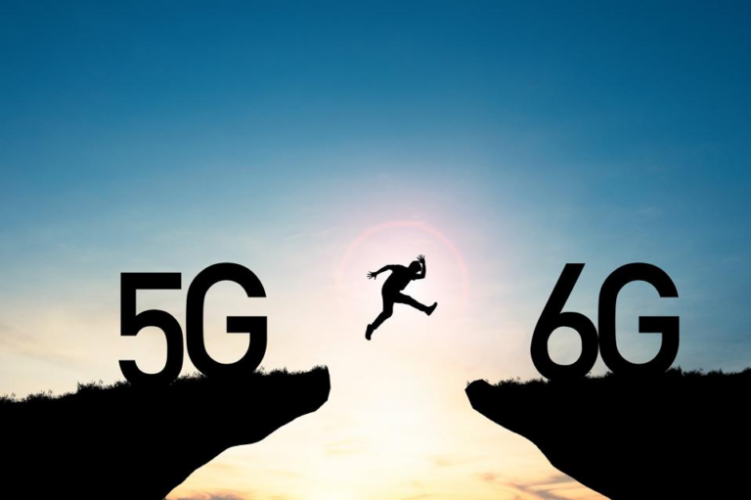
Remember waiting ages for a video to load on your phone? Those days feel almost ancient now! Wireless technology moves fast, and the jump from 5G to 6G promises to be one of the most exciting leaps yet.
In this guide, we’ll break down the 5G vs 6G debate in plain, simple language. You’ll learn what each one does, why it matters, and how the next generation of wireless technology could change your daily life. Let’s dive in!
What is 5G vs 6G?
5G vs 6G refers to the comparison between the fifth and sixth generations of mobile network technology. 5G is the current standard, offering fast speeds and low delay. 6G is the future standard, expected around 2030, promising even faster speeds and smarter connections.
Think of it like upgrading a car. 5G is a speedy sports car available today. 6G is a futuristic flying car still being designed in the lab.
Here’s a quick side-by-side look:
- 5G: Speeds up to 10 gigabits per second, already in use worldwide
- 6G: Speeds possibly 100 times faster, still in research and testing
- 5G: Great for streaming, gaming, and smart devices
- 6G: Built for holograms, advanced AI, and instant real-time control
Both are part of the same family of mobile network technology. The difference lies in speed, capacity, and what they make possible.
Why is 5G vs 6G Important?
Understanding the 5G vs 6G shift helps you prepare for the future. New networks don’t just make phones faster. They power hospitals, cars, factories, and entire cities.
For example, doctors already use 5G to perform remote surgeries. With 6G, that connection could become so instant that a surgeon in one country could operate on a patient in another with zero lag.
Here’s why this comparison matters to you:
- Better daily life: Faster downloads, smoother video calls, and lag-free gaming
- Smarter cities: Traffic lights, energy grids, and public safety systems that respond in real time
- New jobs and industries: The rollout of next-gen networks creates fresh careers in tech
- Global growth: Businesses can connect and innovate across borders more easily
Knowing where wireless tech is headed helps you make smart choices, whether you’re buying a new phone or planning a business.
Key Features and Benefits
So what makes each generation special? Let’s explore the standout perks of both technologies.
5G Features and Benefits
5G is already changing how we connect. It brings real improvements you can feel today.
- High speed: Download a full movie in seconds
- Low latency: Delays as short as 1 millisecond, perfect for gaming
- Massive connectivity: Supports millions of devices in one small area
- Reliable coverage: Powers smart homes and self-driving car tests
Picture a busy stadium during a concert. With 5G, thousands of fans can share videos at once without the network crashing. That’s the power of strong connectivity!
6G Features and Benefits
6G is still in the works, but experts are dreaming big. This next generation aims to blur the line between the digital and physical worlds.
- Ultra-fast speeds: Up to 1 terabit per second in theory
- Near-zero latency: Responses so quick they feel instant
- AI-powered networks: Systems that fix and manage themselves
- New frequencies: Using terahertz waves for huge data transfer
- Holographic communication: 3D calls that feel like the person is right beside you
Imagine attending a class as a lifelike hologram, sitting next to friends across the globe. That’s the kind of magic 6G hopes to deliver!
Common Mistakes to Avoid
When people talk about 5G vs 6G, a few myths pop up again and again. Let’s clear the air so you don’t get confused.
- Thinking 6G is here already: It’s not! 6G is still in research and won’t arrive until around 2030.
- Believing 5G is fully rolled out: Many areas still lack strong 5G coverage today.
- Assuming faster always means better for everyone: You also need a device and plan that support the new network.
- Ignoring device compatibility: A 5G phone won’t automatically work on 6G networks later.
- Confusing hype with facts: Some claims about 6G are guesses, not proven results.
Avoid these traps, and you’ll have a much clearer picture of where wireless technology really stands.
Expert Tips
Want to stay ahead of the curve? Here are some pro tips to help you navigate the world of next-generation networks with confidence.
- Check coverage first. Before buying a 5G phone, make sure your area actually has 5G service.
- Don’t rush to future-proof. Since 6G is years away, focus on getting the most from 5G today.
- Follow trusted sources. Keep up with updates from groups like the ITU and reliable tech news sites.
- Think about your real needs. If you mostly text and browse, you may not need the fastest plan.
- Watch for business opportunities. Companies that adopt new tech early often gain a strong edge.
- Protect your data. Faster networks connect more devices, so strong security habits matter more than ever.
A little planning goes a long way. Smart choices today set you up for the exciting future ahead!
FAQs
What is the main difference between 5G and 6G?
The main difference is speed and capability. 5G offers fast speeds up to 10 gigabits per second and is available now. 6G aims for speeds up to 100 times faster, near-zero delay, and features like holographic calls. 6G remains in research and is expected around 2030.
Is 6G available yet?
No, 6G is not available yet. It is still in the research and development stage. Experts predict the first 6G networks will launch around 2030. For now, 5G remains the newest technology you can actually use on your devices today.
Will 6G replace 5G completely?
6G will eventually build on top of 5G, not erase it overnight. Just like 5G still works alongside 4G, 6G will slowly roll out while 5G continues serving users. The transition will take many years, so both networks will coexist for a long time.
Do I need a new phone for 6G?
Yes, you will need a new device for 6G. Current 5G phones cannot support the new frequencies and features 6G will use. When 6G launches around 2030, manufacturers will release 6G-compatible smartphones designed to handle those faster speeds and advanced tools.
Is 5G safe to use?
Yes, 5G is considered safe. Major health organizations, including the World Health Organization, report no proven harmful effects from 5G radio waves at normal exposure levels. The technology uses non-ionizing radiation, which does not damage cells like stronger radiation types do.
What can 6G do that 5G cannot?
6G aims to enable things 5G struggles with. These include holographic communication, real-time AI networks, and terahertz-speed data transfer. It also promises near-instant responses for tasks like remote surgery and advanced robotics, creating experiences that feel almost magical compared to today’s technology.
When will 6G launch worldwide?
Most experts expect 6G to launch commercially around 2030. Right now, countries and companies are still testing early prototypes. Full global 6G coverage will take several more years after the first launch, similar to how 5G spread gradually across the world.
Conclusion
The 5G vs 6G story is really a tale of two amazing eras. 5G is here today, giving us blazing speeds, smart homes, and lag-free gaming. 6G is the thrilling next chapter, promising holograms, instant connections, and technology that feels straight out of a movie!
Here’s the key takeaway: enjoy the power of 5G now, but keep an eye on the exciting future that 6G will bring. Both generations will shape how we live, work, and connect for years to come.
Ready to make smarter tech choices? Explore our latest guides on wireless technology, subscribe to our newsletter, and stay one step ahead of the future BTS Magazine.