

Choosing the right first aid certification courses can be confusing, especially with so many options available. Whether you’re a parent, teacher, or healthcare worker, knowing what each course offers is key.
Some focus on CPR, others on basic first aid, and some cover both. In this blog post, we’ll break down the main types of courses so you can pick the one that fits your needs and helps you save lives.
Basic First Aid Certification
This course covers everyday injuries and common emergencies. You’ll learn how to treat cuts, burns, sprains, and more. It’s perfect for teachers, parents, and workers.
Basic first aid also includes how to help someone until medical help arrives. It is usually the first step for anyone new to first aid. This course often takes just a few hours to complete.
CPR and AED Certification
CPR certification teaches you how to respond when someone’s heart stops. You’ll also learn how to use an AED, a device that helps restart the heart. This training is vital for both adults and children.
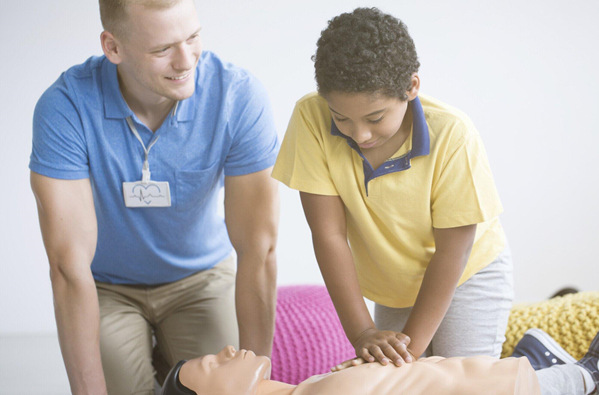
You’ll practice chest compressions and rescue breaths. It’s hands-on and easy to understand. Many employers require this certification.
Emergency Response Courses
These courses are more advanced than basic first aid. Emergency response courses prepare you to act during major accidents or natural disasters. They are great for people working in security or disaster relief.
You’ll learn how to assess a scene, manage multiple injuries, and keep calm under pressure. These courses often include teamwork and practice drills. They may take longer to complete, but they offer deeper knowledge.
Basic Life Support (BLS) Training
Basic life support training is designed for people in the medical field. It teaches skills for high-risk emergencies, like choking or cardiac arrest. BLS training goes beyond basic CPR.
You’ll learn how to use medical tools, clear airways, and support breathing. This course is a must for nurses, emergency medical technicians (EMTs), and other healthcare staff. It helps you respond quickly and correctly in critical moments.
CPR and First Aid Combo Courses
Some classes teach both CPR and first aid in one session. These combo courses are time-saving and very practical. They cover injuries, choking, heart attacks, and more.
These are great for school staff, coaches, and daycare workers. You learn how to perform CPR and treat minor injuries at the same time. If you’re unsure which course to take, check it out for guidance.
Healthcare Provider Courses
Healthcare provider courses are in-depth programs for medical professionals. They often include BLS, AED use, and patient care skills. These are required for hospital and clinic jobs.
You’ll practice with real equipment and learn detailed protocols. These courses meet industry standards for safety and care. They require renewal every one to two years to stay current.
First Aid Certification Courses: A Smart Step Toward Safety
First aid certification courses teach important skills. They help you stay calm and act fast in emergencies. You can choose a course based on your needs and job. Some focus on CPR, while others cover basic care.
These courses are useful at home, work, or school. Many only take a few hours to complete. After training, you will feel more confident. First aid certification courses are a smart way to be prepared for the unexpected.
Did you find this article helpful? Visit more of our blogs.