

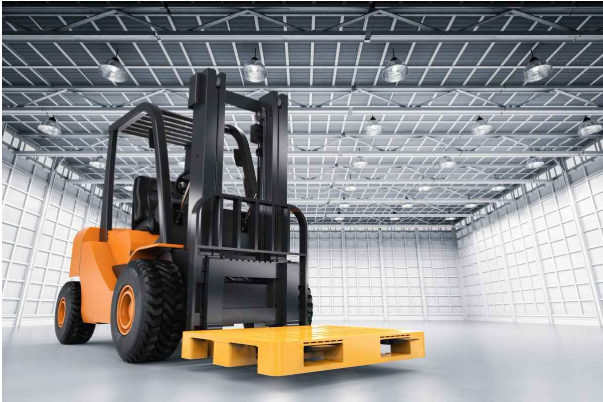
Stacker forklifts are essential equipment in warehouses, factories, and storage facilities where space efficiency is a priority. These machines allow operators to lift, move, and stack palletized goods safely in narrow aisles. Their compact design makes them suitable for small and medium-scale material handling operations. Proper usage ensures productivity while minimizing workplace risks.
In Malaysia’s growing logistics and industrial sectors, safe handling practices are increasingly important for daily operations. Understanding the correct procedures helps operators avoid accidents and equipment damage. Learning step-by-step operation methods is especially valuable when working with Stacker Forklift Malaysia in regulated work environments. A structured approach supports both safety and efficiency.
Pre-Operational Inspection
Before operating a stacker forklift, a thorough inspection is essential. This reduces the risk of accidents, equipment failure, and damage to goods.
1. Visual Condition
The first step is to examine the overall condition of the forklift’s exterior. Look for cracks, loose bolts, oil leaks, or structural damage that may affect performance. A clean and undamaged body indicates proper maintenance and care. Visual checks help detect early warning signs of mechanical failure.
Safety labels, warning signs, and load capacity plates must be clearly visible at all times. These markings guide operators in safe handling practices. Clear identification is especially important when operating Stacker Forklift Malaysia in shared warehouse spaces. Missing or faded labels should be replaced immediately.
2. Forks and Mast
Forks must be checked for bends, cracks, or uneven wear before operation. Damaged forks can lead to unstable loads and serious accidents. Ensure both forks are evenly aligned and securely mounted. Proper fork condition is essential for safe lifting.
The mast should move smoothly during lifting and lowering operations. Jerky movements or unusual noises may indicate mechanical or hydraulic problems. Mast chains and rollers should appear well-lubricated. Any irregular movement should be addressed before use.
3. Controls and Brakes
All control levers and switches should be tested for smooth operation. Controls must respond accurately and return to neutral positions correctly. Faulty controls can cause sudden or unsafe movements. Operators should never ignore sluggish or stiff responses.
Brakes should be tested at low speed to confirm effective stopping power. The forklift must stop evenly without drifting to one side. Parking brakes should firmly hold the forklift in place. Reliable braking is essential for workplace safety.
4. Battery or Power System
Electric stacker forklifts require careful inspection of the battery system. Check charge levels, cable connections, and terminal cleanliness. Loose or corroded terminals can affect performance and safety. Battery compartments should remain clean and dry.
Any warning lights, unusual sounds, or odors should be taken seriously. Operators must ensure the power system is functioning properly before use. Faulty power systems can lead to unexpected shutdowns. Early detection prevents operational delays.
Basic Operation Steps
Once the forklift passes inspection, follow these steps to operate it safely and efficiently.
1. Proper Training
Only trained and authorized individuals should operate a stacker forklift. Training ensures operators understand load limits, safety rules, and emergency procedures. Skilled operators significantly reduce accident risks. Certification builds confidence and accountability.
Workplaces using Stacker Forklift Malaysia must ensure operators are familiar with local safety expectations. Different models may have unique control layouts and handling characteristics. Training helps operators adapt quickly and safely. Knowledge is the foundation of responsible operation.
2. Safe Mounting
Mount the forklift using designated steps and handholds. Maintain three points of contact to prevent slips or falls. Proper footwear also improves stability during mounting. Rushing this step can lead to injury.
Before starting, check that the surrounding area is clear. Adjust seating or controls for comfort and visibility. Ensure no pedestrians are nearby. Safe mounting sets the tone for safe operation.
3. Load Assessment
Assess the load’s weight and stability before lifting. Ensure the load does not exceed the forklift’s rated capacity. Overloading increases the risk of tipping. Balanced loads improve handling control.
Check that goods are properly secured on the pallet. Loose or uneven loads can shift during movement. Load assessment prevents accidents during lifting and transport. Preparation ensures smoother operation.
4. Lifting the Load
Position the forks evenly beneath the pallet. Lift the load slowly and smoothly to maintain balance. Sudden lifting can destabilize the forklift. Controlled motion improves safety.
Raise the load only as high as necessary. Keep the load low while traveling to maintain stability. Lower loads improve visibility and control. Proper lifting technique protects both goods and equipment.
5. Movement and Steering
Operate the forklift at a steady and moderate speed. Avoid sharp turns or sudden stops while carrying a load. Smooth steering prevents load shifting. Controlled movement reduces collision risks.
Always look in the direction of travel. Use the horn at intersections or blind spots. Stay alert to nearby workers and obstacles. Awareness is a key to safe navigation.
6. Stacking and Parking
Align the forklift carefully with the storage rack before stacking. Raise the load smoothly and place it gently into position. Avoid forcing loads into tight spaces. Proper placement prevents damage.
When parking, lower the forks completely and engage the parking brake. Switch off the power and remove the key. Secure parking is critical when using Stacker Forklift Malaysia in shared facilities. Correct shutdown prevents unauthorized use.
Maintenance Tips
Regular maintenance extends the life of a stacker forklift and ensures safe operation. Follow these essential tips:
- Daily Cleaning: Remove dust, debris, and spills after each shift. Clean surfaces help identify leaks early. Hygiene improves equipment condition. Clean forklifts are safer forklifts.
- Battery Care: Charge batteries according to manufacturer guidelines. Avoid deep discharges whenever possible. Proper charging extends battery life. Battery health affects overall performance.
- Lubrication Checks: Lubricate chains, joints, and moving components regularly. Proper lubrication reduces friction. This prevents premature wear. Smooth movement improves safety.
- Hydraulic Inspection: Check hoses and cylinders for leaks or cracks. Maintain correct fluid levels consistently. Hydraulic systems ensure smooth lifting. Early detection prevents failure.
- Scheduled Servicing: Arrange professional inspections at recommended intervals. Technicians identify hidden issues early. Servicing ensures compliance with safety standards. Preventive care saves costs.
Following a structured maintenance routine supports daily operations. Operators should report issues promptly. Professional servicing should be scheduled regularly. Proper maintenance practices also apply to related equipment like Electric Pallet Trucks Malaysia, ensuring the entire fleet remains safe and operational.
Why Go with AM Forklift?
AM Forklift Sdn. Bhd. is a trusted name in Malaysia’s material handling industry, known for delivering reliable forklift solutions. The company offers a wide range of stacker forklifts suitable for warehouses, factories, and logistics operations. Each product is selected to meet safety standards and operational efficiency requirements. Customers benefit from equipment that supports smooth and consistent performance.
Beyond equipment supply, AM Forklift Sdn. Bhd. provides professional support, maintenance, and technical guidance. Their experienced team helps businesses choose the right forklift for specific operational needs. Timely servicing and expert advice reduce downtime and operational risks. This commitment makes them a dependable partner for long-term material handling solutions.
Conclusion
Safe operation of a stacker forklift requires proper inspection, training, and discipline. Following step-by-step procedures reduces workplace accidents significantly. Operators must remain alert and responsible at all times. Safety benefits everyone involved.
In Malaysia’s evolving industrial landscape, correct handling practices are essential for efficiency. Understanding operational steps supports long-term equipment reliability. Using Stacker Forklift Malaysia responsibly ensures compliance and productivity. A structured approach leads to safer workplaces.