

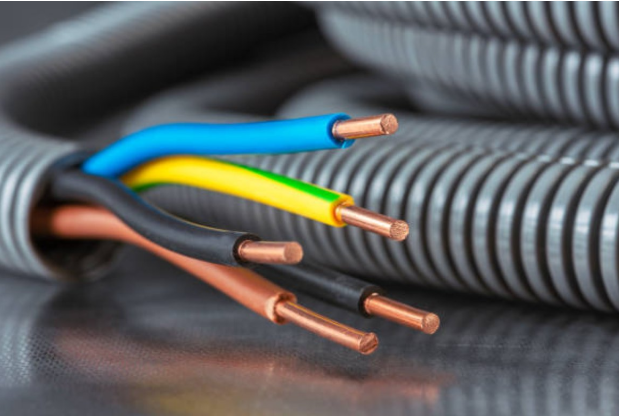
Advanced solar conduction technology: 2 aluminum alloy PV cables under PFG 2642 standard
The lighting industry has experienced rapid innovation in recent decades, especially in the cable era. As solar structures expand globally, manufacturers are trying to find tariff-efficient, long-term, high-performance cabling answers. The most significant development in this area is manufacturing of aluminum alloy SOLAR WIRE products with license under 2 PFG 2642 popular.
Traditionally, photovoltaic cables typically used tinned copper conductors that comply with the standards EN50618, IEC62930, UL4703, and a couple of PFG 1169.
The recently licensed PV1500DC-AL collection demonstrates how an advanced aluminum alloy conductor range can deliver reliable electrical performance while maintaining safety and performance in solar power structures.aluminium.
DEVELOPMENT OF ALUMINUM ALLOY SOLAR TECHNOLOGY
Over the years, PV cable requirements have evolved to help with better overall performance, better protection, and greater environmental resilience. Of all the standards currently in use internationally, EN50618 is one of the most widely followed requirements for photovoltaic cabling structures outside of UL4703 scope.
To deal with the increasing market demand for reduction-in-price conductor materials TÜV Rheinland has officially delivered 2 PFG 2642 certification commons for aluminum alloy optical cables This trend especially covers conductor sizes from 10mm2 to 400mm over the current Integractors performance safety concepts for photovoltaic cables.
The introduction of aluminum alloy SOLAR WIRE technology solves several long-standing challenges in large-scale solar installations:
- Reduced material costs
- Lower cable weight
- Easier transportation
- Improved installation flexibility
- Excellent current carrying performance
Modern aluminum alloy PV cables are now designed specifically for DC solar applications rather than adapted from traditional AC power cables.
Understanding Electrochemical Reactions Between Copper and Aluminum
One of the biggest concerns regarding aluminum conductor cables is the electrochemical reaction between copper and aluminum materials. This issue has historically raised questions about safety and long-term reliability.
The electrochemical process occurs because copper and aluminum have different electrical potentials. Under certain conditions, especially when moisture exists between contact surfaces, an electrochemical reaction similar to a battery effect may occur.
However, modern engineering solutions effectively eliminate this risk.
Special copper-aluminum transition connectors are designed to isolate conductor contact surfaces from air and moisture. Without electrolyte exposure, electrochemical reactions cannot continue. Additionally, aluminum naturally forms a protective oxide layer that prevents further corrosion.
This is why copper-aluminum transition terminals have been safely used in electrical systems for decades without significant degradation.
For photovoltaic systems, proper installation using certified connectors ensures safe and stable long-term operation.
TUV Certified PV1500DC-AL SOLAR WIRE Series
The aluminum conductor photovoltaic cable series has successfully passed TÜV certification according to the 2 PFG 2642 standard.
The product line currently includes:
| Model | Conductor Size | Part Number |
| PV1500DC-AL 1x4mm² | 4mm² | PVENER-V1-40B(R) |
| PV1500DC-AL 1x6mm² | 6mm² | PVENER-V1-60B(R) |
| PV1500DC-AL 1x10mm² | 10mm² | PVENER-V1-100B(R) |
These products use advanced tinned aluminum alloy conductors designed for photovoltaic power generation systems operating at 1500V DC.
The cables utilize:
- Low smoke halogen-free XLPO insulation
- UV-resistant XLPO outer sheath
- High-temperature resistance up to 125°C
- Excellent outdoor durability
This makes the cables highly suitable for harsh solar installation environments with direct sunlight exposure.
Key Construction Features of PV1500DC-AL SOLAR WIRE
4mm² Model Specifications
The 4mm² version uses:
- 56 strands of 0.295mm tinned alloy conductor
- Maximum resistance: ≤8.21Ω/km
- Outer cable diameter: 5.6mm
- UV-resistant black or red jacket
This configuration provides excellent flexibility and compatibility with standard photovoltaic connectors.
6mm² Model Specifications
The 6mm² model includes:
- 84 strands of 0.295mm tinned alloy conductor
- Resistance: ≤5.09Ω/km
- Cable diameter: 6.1mm
The conductor resistance is comparable to conventional copper conductors under IEC60228 requirements, making it highly efficient for solar power transmission.
10mm² Model Specifications
The 10mm² version features:
- 77 strands of 0.4mm tinned alloy conductor
- Resistance: ≤3.39Ω/km
- Cable diameter: 7.3mm
This larger conductor size is ideal for high-current photovoltaic applications between combiner boxes and inverters.
Advantages of Aluminum Alloy SOLAR WIRE
Modern aluminum alloy photovoltaic cables provide several important advantages compared to traditional copper-based systems.
Lower Material Cost
Aluminum alloy conductors significantly reduce raw material expenses. This becomes especially valuable in utility-scale solar projects where cable lengths are extensive.
Reduced Cable Weight
Aluminum conductors are lighter than copper conductors, simplifying transportation and installation work.
UV and Weather Resistance
The XLPO insulation and jacket materials provide excellent resistance to:
- UV radiation
- Heat
- Moisture
- Outdoor environmental exposure
Strong Current Carrying Capacity
The PV1500DC-AL series demonstrates impressive current carrying performance.
For example:
| Conductor Size | Safe Current A I | Safe Current A II |
| 1x4mm² | 26A | 21A |
| 1x6mm² | 35A | 28A |
| 1x10mm² | 92A | 74A |
This makes the cables suitable for demanding photovoltaic system applications.
Connector Compatibility and Installation Requirements
One critical aspect of aluminum alloy SOLAR WIRE installation is the use of specialized copper-aluminum transition photovoltaic connectors.
Proper connector selection prevents direct exposure between copper and aluminum materials while maintaining stable electrical conductivity.
The PVENER-V1 structure using tinned alloy conductors offers excellent compatibility with common MC4-style photovoltaic connectors. The finished cable diameter remains within standard connector sealing ranges, ensuring reliable IP67 waterproof performance.
Professional installation procedures are essential for long-term reliability. Recommended practices include:
- Using certified transition connectors
- Following correct crimping methods
- Maintaining proper bending radius
- Avoiding excessive mechanical stress
These installation standards ensure stable photovoltaic system operation throughout the cable service life.
Future of Aluminum Alloy SOLAR WIRE in Photovoltaic Systems
As the solar industry continues to pursue lower installation costs and improved efficiency, aluminum alloy photovoltaic cable technology is expected to become increasingly important.
The 2 PFG 2642 standard provides a clear technical framework for expanding aluminum conductor applications in solar systems. While early adoption focused mainly on larger conductor sizes, flexible aluminum alloy conductors are now also being developed for solar modules and string connections.
This advancement opens new opportunities for:
- Utility-scale solar farms
- Commercial rooftop systems
- Distributed photovoltaic networks
- Energy storage integration projects
With proper engineering design and certified installation methods, aluminum alloy SOLAR WIRE products offer a practical and reliable solution for modern photovoltaic power systems.
The PV1500DC-AL series demonstrates how innovative conductor technology can support both performance and cost-efficiency in the rapidly growing renewable energy industry.
Conclusion
The development of aluminum alloy SOLAR WIRE technology marks an important advancement in the photovoltaic cable industry. With TÜV certification under the 2 PFG 2642 standard, the PV1500DC-AL series demonstrates that aluminum alloy conductors can provide reliable electrical performance, strong current carrying capacity, and long-term durability for modern solar power systems.
By combining lightweight conductor materials, UV-resistant XLPO insulation, and specialized copper-aluminum transition connectors, these photovoltaic cables offer a practical alternative to traditional tinned copper cables. The reduced material cost and easier installation process make aluminum alloy PV cables especially attractive for large-scale solar projects and commercial photovoltaic systems.