

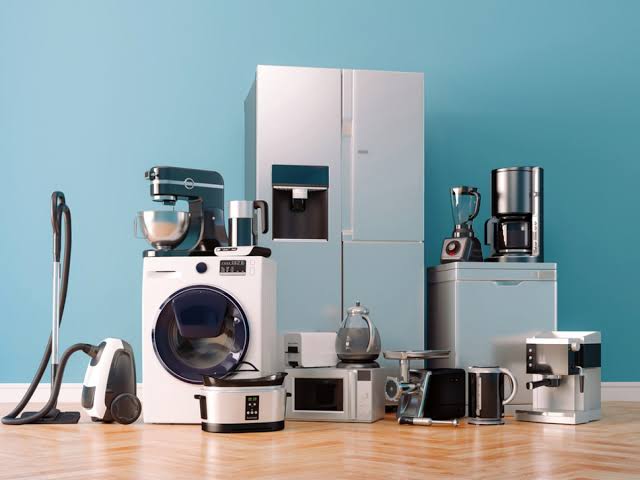
Furnishing a home can be exciting, but it often comes with significant expenses. From refrigerators and washing machines to microwaves and vacuum cleaners, appliances are essential for making everyday life more convenient. However, purchasing brand-new products for every room can quickly stretch your budget.
Fortunately, there are plenty of ways to reduce costs while still bringing home reliable, functional appliances. Whether you’re moving into your first apartment, upgrading your family home, or replacing a broken unit, making informed purchasing decisions can help you maximize value without compromising performance.
This guide explores practical strategies for finding affordable appliances, understanding what features truly matter, and deciding when buying new or used makes the most financial sense.
Why Affordable Appliances Are Becoming More Popular
Household budgets have become increasingly important as living costs continue to rise. Consumers are paying closer attention to long-term value rather than simply choosing the most expensive brands available.
Affordable appliances appeal to homeowners because they provide:
- Lower upfront costs
- Essential features without unnecessary extras
- Reduced financial pressure
- Greater flexibility for future upgrades
- Practical solutions for rental properties
Many modern budget appliances offer impressive durability and efficiency, proving that affordability doesn’t necessarily mean poor quality.
Understanding Your Household Needs
Before shopping, take a close look at how your household actually uses appliances. Buying based on your lifestyle rather than marketing claims helps avoid unnecessary spending.
Ask yourself questions such as:
- How many people live in the home?
- How often do you cook?
- How frequently do you do laundry?
- Is energy efficiency important?
- How much space do you have?
Knowing these answers helps narrow your options and prevents overspending on features you’ll rarely use.
Focus on Function Instead of Fancy Features
Many premium appliances include advanced technology that sounds impressive but may never be used.
Consider whether you truly need:
- Wi-Fi connectivity
- Voice control
- Touchscreen displays
- Smart diagnostics
- App integration
For many households, reliable performance is far more valuable than extra technology. Choosing simpler models often results in substantial savings while delivering the same core functionality.
Prioritize Energy Efficiency
An affordable purchase price is only one part of the overall cost of owning an appliance.
Energy-efficient models can reduce:
- Monthly electricity bills
- Water usage
- Maintenance costs
- Environmental impact
Although an efficient appliance may cost slightly more initially, the long-term savings often outweigh the difference.
Compare Multiple Brands
Brand loyalty isn’t always the best approach.
Many lesser-known manufacturers produce dependable appliances that perform similarly to premium brands at much lower prices.
When comparing products, evaluate:
- Warranty coverage
- Customer reviews
- Repair availability
- Energy consumption
- Capacity
- Build quality
Taking time to compare several options can uncover excellent value.
Buy During Seasonal Sales
Timing your purchase can significantly reduce costs.
Retailers frequently offer discounts during:
- Holiday sales
- End-of-financial-year promotions
- Clearance events
- Black Friday
- Boxing Day sales
- Warehouse clearance periods
Planning ahead instead of buying during an emergency often leads to better deals.
Consider Refurbished Appliances
Refurbished appliances are professionally inspected, repaired if necessary, and tested before resale.
Benefits include:
- Lower prices
- Reliable performance
- Warranty availability
- Reduced environmental waste
Buying refurbished can be an excellent middle ground between purchasing new and used.
Why Used Appliances Can Be a Smart Choice
Used appliances have become increasingly popular among budget-conscious buyers.
They can provide:
- Significant cost savings
- Immediate availability
- Access to premium brands
- Lower depreciation
As long as the appliance has been properly maintained, it may continue functioning effectively for many years.
Inspect Before You Buy
Whether purchasing new or used, careful inspection is essential.
Look for:
- Exterior damage
- Rust
- Water leaks
- Strange noises
- Missing accessories
- Faulty controls
- Damaged power cords
If possible, request a demonstration before completing the purchase.
Check the Warranty
Warranty protection provides valuable peace of mind.
Some affordable appliances include:
- Manufacturer warranties
- Extended warranties
- Store protection plans
- Service agreements
Understanding exactly what is covered helps prevent unexpected repair expenses later.
Choose the Right Size
Larger appliances are not always better.
Selecting the correct capacity helps save:
- Purchase costs
- Utility expenses
- Space
- Maintenance costs
For example:
Small households may not require oversized washing machines or refrigerators.
Choosing appropriately sized appliances improves overall efficiency.
Washing Machines: New vs Used
Washing machines represent one of the biggest appliance purchases for many households.
Brand-new machines typically offer:
- Latest technology
- Better energy ratings
- Longer warranties
- Improved water efficiency
Used washing machines provide:
- Lower purchase prices
- Good value
- Reliable cleaning performance
- Affordable replacement options
Many buyers searching for 2nd hand washing machines near me discover quality machines that still have years of useful life remaining, especially when purchased from trusted sellers who inspect and test their inventory.
Kitchen Appliances That Don’t Need to Break the Budget
Kitchen appliances vary greatly in price.
Affordable options exist for:
- Microwaves
- Toasters
- Kettles
- Rice cookers
- Air fryers
- Coffee makers
- Blenders
Instead of buying premium models packed with specialty functions, focus on appliances that perform their primary tasks consistently.
Refrigerators Worth Considering
A refrigerator runs continuously, making efficiency particularly important.
When shopping, evaluate:
- Storage capacity
- Energy rating
- Noise level
- Adjustable shelving
- Freezer size
Finding a balanced combination of price and efficiency provides excellent long-term value.
Dishwashers on a Budget
Many affordable dishwashers now include:
- Multiple wash cycles
- Quiet operation
- Delay timers
- Water-saving modes
You don’t necessarily need a luxury model to enjoy reliable cleaning performance.
Small Appliances Offer Great Savings
Small appliances often provide excellent value because they’re generally inexpensive while offering everyday convenience.
Examples include:
- Food processors
- Mixers
- Electric grills
- Steam irons
- Slow cookers
- Electric pressure cookers
Shopping during sales can further reduce costs.
Don’t Ignore Customer Reviews
Reviews often reveal valuable insights regarding:
- Reliability
- Ease of use
- Common problems
- Customer service
- Longevity
Reading both positive and negative feedback creates a more balanced understanding before purchasing.
Think About Future Repairs
Every appliance eventually requires maintenance.
Before buying, consider:
- Availability of spare parts
- Local repair services
- Repair costs
- Ease of servicing
Some budget appliances are surprisingly inexpensive to maintain over many years.
Avoid Impulse Purchases
Marketing campaigns often encourage quick decisions.
Instead:
- Compare prices
- Research models
- Measure available space
- Review warranties
- Calculate long-term operating costs
Patience often leads to better purchasing decisions.
Benefits of Buying From Reputable Sellers
Trusted appliance sellers usually provide:
- Product testing
- Honest condition reports
- Return policies
- Delivery options
- Installation assistance
Buying from established businesses reduces purchasing risks compared to unknown private sellers.
Eco-Friendly Benefits of Buying Used
Purchasing second-hand appliances also benefits the environment.
Reusing appliances helps reduce:
- Manufacturing demand
- Electronic waste
- Raw material consumption
- Landfill waste
Extending the life of functional appliances supports more sustainable consumer habits.
Budgeting for Appliance Purchases
Instead of replacing every appliance simultaneously, create a replacement plan.
Prioritize:
- Essential appliances first.
- Replace inefficient units gradually.
- Monitor seasonal discounts.
- Set aside savings each month.
- Upgrade only when necessary.
This strategy makes home improvement more manageable without creating financial stress.
Finding Great Value
Finding cheap home appliances doesn’t simply mean choosing the lowest price. The best value comes from balancing affordability, durability, energy efficiency, warranty coverage, and overall performance.
A well-chosen budget appliance can provide dependable service for years while helping you stay within your financial goals.
Common Mistakes to Avoid
Many buyers accidentally spend more than necessary because they:
- Ignore energy costs
- Purchase oversized appliances
- Skip product comparisons
- Overlook warranty details
- Buy unnecessary features
- Fail to inspect used equipment
Avoiding these common mistakes increases your chances of making a smart investment.
Final Thoughts
Creating a comfortable, fully equipped home doesn’t require spending a fortune. Careful planning, thoughtful comparisons, and a clear understanding of your household’s needs can help you find dependable appliances at prices that fit your budget.
Whether you’re purchasing brand-new models, refurbished units, or quality pre-owned equipment, focusing on reliability and long-term value will always pay off. Affordable appliances continue to improve in quality, offering practical solutions for families, students, landlords, and homeowners alike.
By taking the time to research products, inspect their condition, compare features, and purchase from trustworthy sellers, you can enjoy modern convenience without unnecessary expense. Smart shopping today can lead to years of reliable performance, helping you build a functional home while keeping your finances on track.