

When it comes to nutrition, one of the biggest debates in the health and fitness space is whether animal or plant protein is the better option. Both sources provide valuable nutrients and can play an important role in a balanced diet, but the right choice often depends on your lifestyle, dietary preferences, and health goals. For those who are particularly focused on fitness or seeking tailored protein for women, understanding the differences can help you make more informed decisions about your nutrition.
The Case for Animal Protein
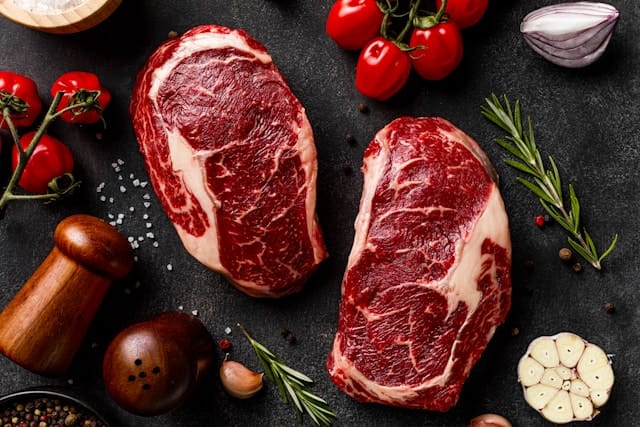
Animal protein comes from sources such as meat, poultry, fish, eggs, and dairy. These foods are considered “complete proteins,” meaning they contain all nine essential amino acids the body cannot produce on its own.
Benefits of animal protein include:
- Muscle growth and repair: The high bioavailability of amino acids in animal protein makes it especially effective for building and repairing muscle tissue.
- Nutrient density: In addition to protein, animal-based foods often provide iron, zinc, vitamin B12, and omega-3 fatty acids, which are essential for energy production and overall wellbeing.
- Satiety: Animal proteins tend to keep you fuller for longer, making them useful for weight management.
That said, there are potential downsides. Red and processed meats, when consumed in excess, have been linked to certain health risks, including heart disease. This makes moderation and balance key.
The Case for Plant Protein
Plant protein comes from foods like legumes, beans, lentils, nuts, seeds, soy, and whole grains. While most plant sources are not “complete proteins” individually, combining different sources (for example, rice and beans) can provide all essential amino acids.
Benefits of plant protein include:
- Lower in saturated fats: Plant-based proteins are often heart-friendly and may contribute to lower cholesterol levels.
- Rich in fibre: This supports digestive health and can help with long-term weight management.
- Packed with antioxidants and phytonutrients: Plant-based foods provide protective compounds that may reduce the risk of chronic disease.
The main consideration with plant protein is that it generally offers less protein per serving compared to animal sources, which means you may need to consume larger portions to meet your daily needs.
Which One Should You Choose?
The answer isn’t as simple as declaring one “better” than the other. Instead, it comes down to your individual health needs, dietary choices, and goals.
- For athletes or those aiming for muscle growth: Animal protein can be more efficient due to its amino acid profile and bioavailability.
- For those prioritising heart health, digestion, or a plant-based lifestyle: Plant protein offers excellent benefits and can still support muscle growth if consumed strategically.
- For balance and variety: Many nutrition experts recommend incorporating both, as this allows you to take advantage of the strengths of each.
Rather than framing animal and plant protein as rivals, it’s more helpful to think of them as complementary options
A diet that includes a balance of both can provide a wide range of nutrients to support overall health. For those with specific fitness goals, including tailored supplements like specialised protein powders can make it easier to meet nutritional needs. At the end of the day, the best source of protein is the one that fits seamlessly into your lifestyle and helps you feel your best.