

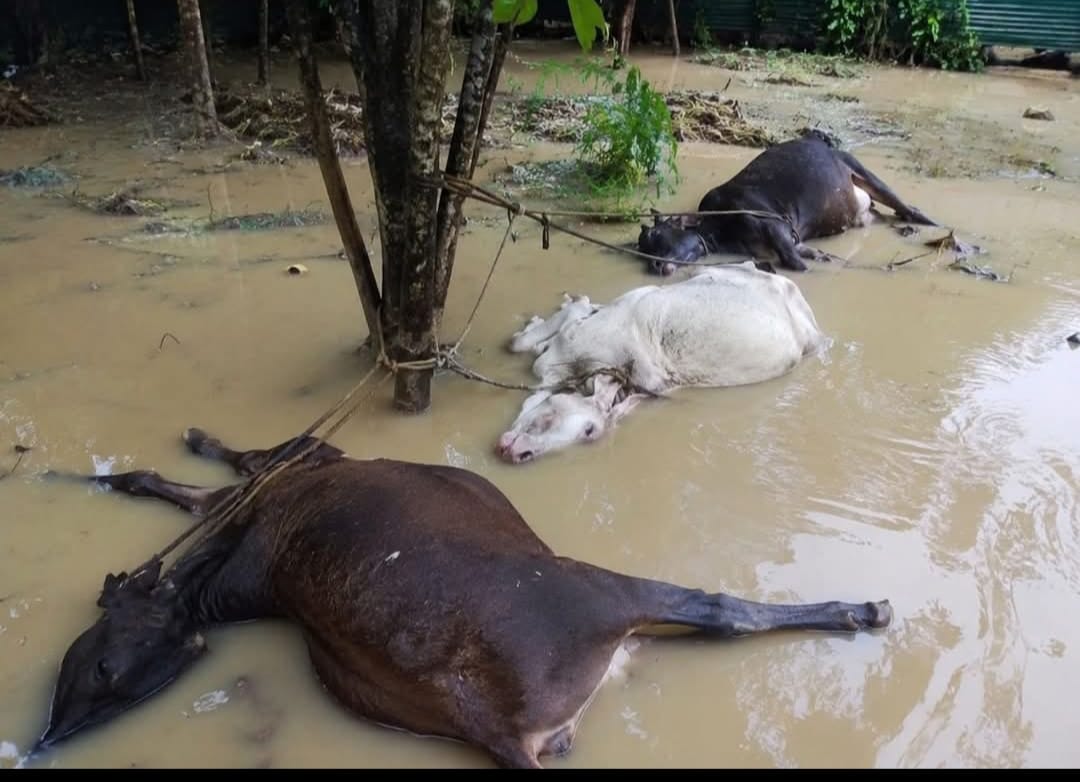
Dr. Dibyajyoti Saikia Urges Long-Term Solutions and Criticizes Political Inaction Amid India’s Recurring Flood Disaster
The devastating floods and severe riverbank erosion in the Indian state of Assam have once again triggered a major humanitarian crisis, displacing thousands of families and disrupting the lives of millions across northeastern India. As communities struggle with the loss of homes, livelihoods, and essential resources, the social organization Brothers has launched a nationwide appeal, urging people across India to unite in support of those affected.
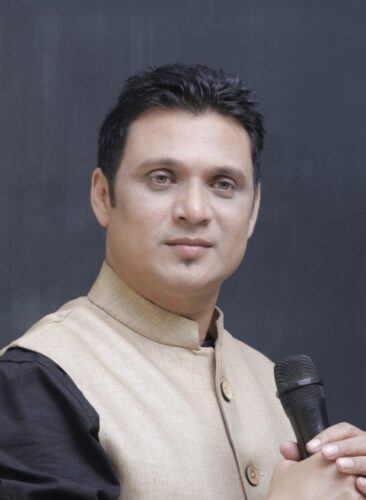
Leading the appeal is Dr. Dibyajyoti Saikia, General Secretary of Brothers, a nationally recognized Indian human rights activist and senior social worker. Through the organization’s 27 years of humanitarian work, Dr. Saikia has called on citizens, charitable groups, and institutions across India to extend immediate assistance to flood-affected families, many of whom have been left without shelter, food, or basic necessities.
According to Dr. Saikia, the crisis extends far beyond seasonal flooding. He stressed that countless families from marginalized and economically vulnerable communities are facing extreme hardship after losing everything to rising waters and riverbank erosion. He emphasized that every contribution, regardless of its size, can play an important role in helping survivors rebuild their lives.
“The value of every human life must come first,” Dr. Saikia said while urging greater humanitarian action. He highlighted the urgent need for food, clean drinking water, medicines, and healthcare services in several remote flood-hit regions of Assam, particularly for children, elderly residents, and pregnant women.
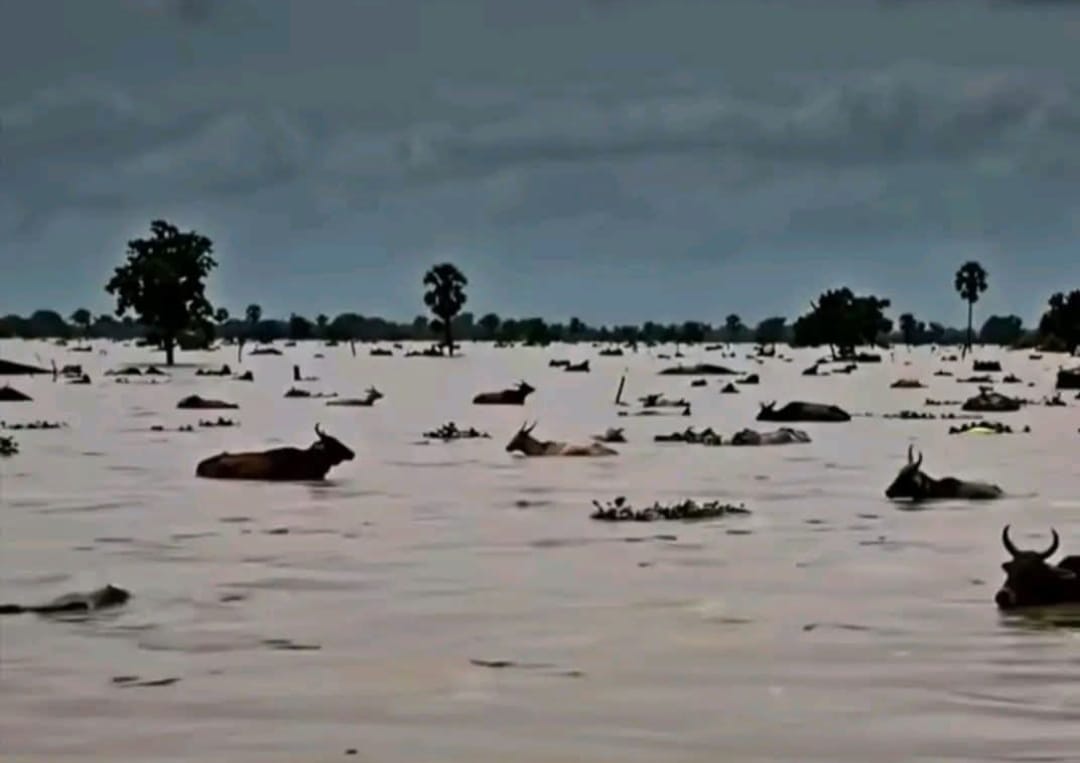
Beyond emergency relief, Dr. Saikia expressed concern over what he described as a recurring pattern of political indifference during natural disasters. He stated that while many political leaders actively engage with citizens during election campaigns, affected communities often feel abandoned when disasters strike. In his view, issuing statements alone is insufficient when thousands of Indian families continue to struggle with displacement and uncertainty.
He also appealed directly to flood victims, encouraging them to remain united, patient, and determined while peacefully demanding their rights and long-term rehabilitation. Rather than relying solely on temporary relief camps and emergency aid, he urged the Government of Assam to implement permanent rehabilitation measures, including secure land allocation, durable housing, and dignified resettlement for displaced families.
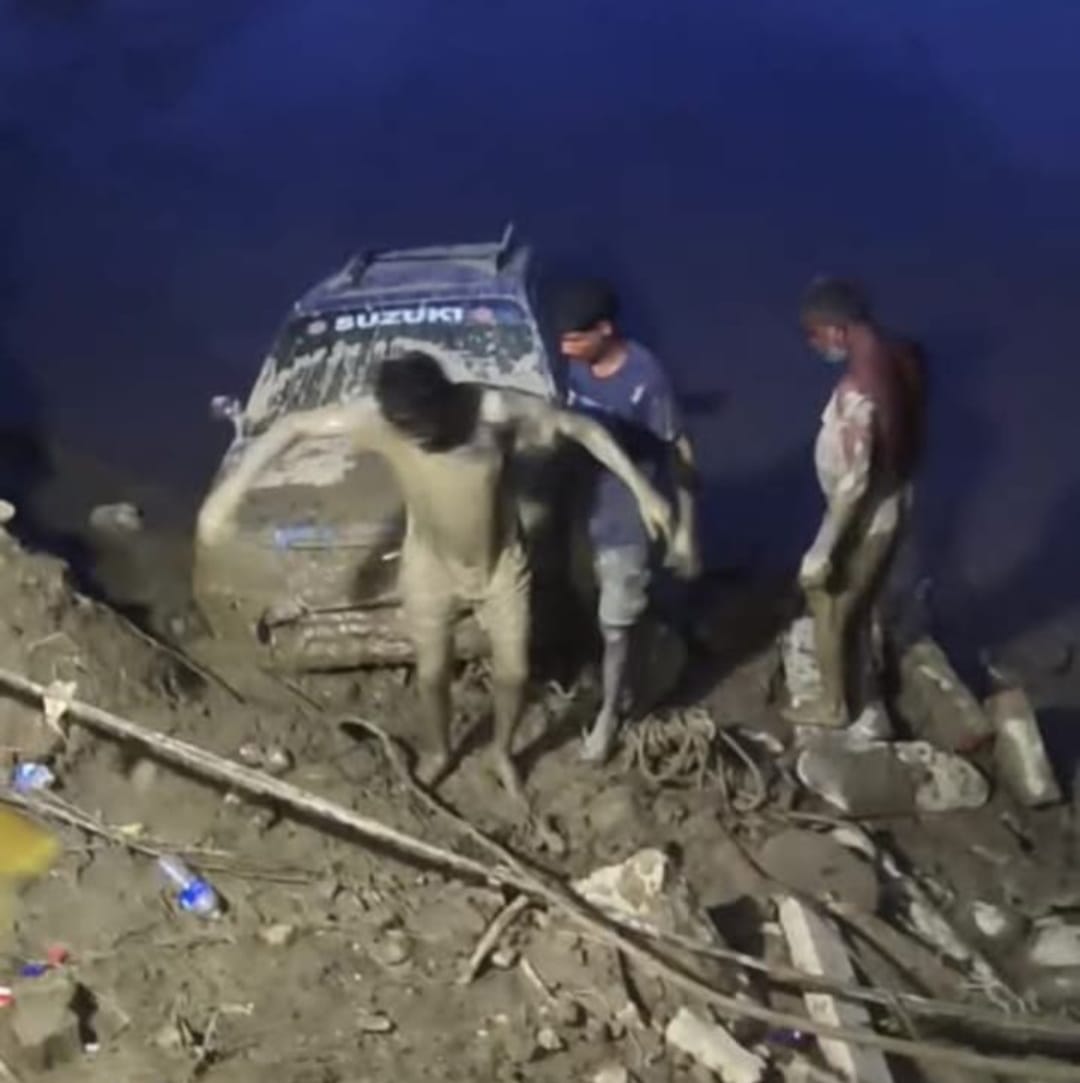
Dr. Saikia further called on policymakers in India to adopt scientific, long-term strategies to address the root causes of recurring floods and riverbank erosion. He argued that distributing relief supplies every year cannot solve a crisis that repeatedly forces millions of people into displacement. Sustainable flood management, improved infrastructure, and erosion control measures, he said, are essential to breaking the cycle of humanitarian hardship in Assam.
As India continues to confront increasingly severe climate-related disasters, humanitarian organizations such as Brothers are urging both citizens and authorities to look beyond immediate relief efforts and invest in lasting solutions that protect vulnerable communities for generations to come.